



Maharashtra is considering a tougher legal response to food adulteration, with Deputy Chief Minister Eknath Shinde directing officials to invoke the Maharashtra Control of Organised Crime Act (MCOCA) against those involved in organised adulteration of milk, paneer, dairy products and other food items.
The direction came during a review meeting at Sahyadri Guest House on the state’s targets under the Viksit Maharashtra 2047 initiative for 2026-27. Health Minister Prakash Abitkar, Minister of State for Law and Judiciary Ashish Jaiswal, Minister of State for Home, Food and Drug Administration Yogesh Kadam, and FDA Commissioner Tukaram Mundhe were present.
Shinde said food adulteration should not be treated as an ordinary regulatory offence when it
is carried out systematically for profit and puts public health at risk. His particular concern was milk and dairy products, which are consumed regularly by children.
The proposed use of MCOCA marks a significant escalation. The law is designed to deal with organised crime syndicates and continuing unlawful activity, and its application is subject to specific statutory conditions, including the nature and continuity of the alleged criminal activity.
Shinde, therefore, also focused on the legal strength of such cases. He directed the government to immediately create a specialised legal team comprising experienced and senior lawyers so that cases filed against alleged adulterators do not collapse because of technical or procedural shortcomings during trial.
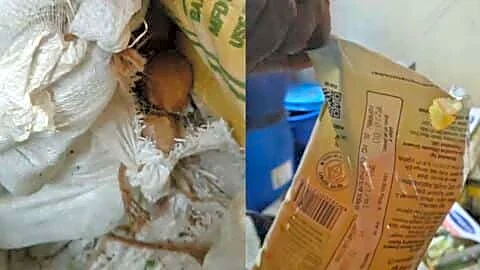
The move comes amid continuing concerns over adulterated milk, fake or non-dairy paneer, and other food products in Maharashtra. The FDA has stepped up enforcement, including action against non-standardised analogue paneer, amid concerns over consumer safety.
The government has previously spoken about using MCOCA against serious forms of food adulteration and other illegal activities. The latest directive, however, puts the focus on building cases that can withstand judicial scrutiny rather than merely announcing tougher action.
That distinction could prove crucial. Under MCOCA, investigators must establish the legal ingredients required to classify activity as organised crime; the law defines an organised crime syndicate as a group of two or more persons involved in organised criminal activity.
For the FDA, the challenge now is clear: raids and arrests must translate into legally sustainable prosecutions. For consumers, particularly families buying everyday essentials such as milk and paneer, the real test will be whether the proposed crackdown succeeds in dismantling the networks behind adulteration—not simply catching individual offenders.