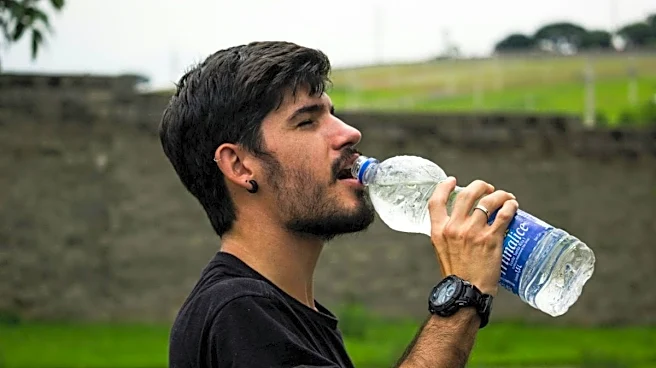




Summer is here. And the extreme temperatures and heat wave-like conditions can cause mild to severe dehydration among people. Chronic dehydration is often viewed as a trivial concern, but from a medical perspective, it can quietly impair several systems in the body, especially digestion, the skin, and the brain. Even a mild degree of chronic fluid loss can have a cumulative effect that patients may not associate with dehydration.
We speak to Dr Fimiya P, Specialist – Family Medicine, KIMS Hospitals, Bengaluru, to understand how being dehydrated has real effect on your skin, digestion and brain activity.
Impact on Digestion Water is a key component of the digestion process. It assists in the breakdown of food, the dissolution of nutrients, and
the subsequent absorption of nutrients in the intestines. If the body is chronically dehydrated, the colon will draw more fluid from the waste to compensate for the dehydration. This results in hard stools and chronic constipation, which is one of the most prevalent effects I have witnessed in my practice.
In addition to constipation, dehydration can exacerbate conditions such as acid reflux and indigestion. With lower fluid levels in the body, the production of saliva will decrease. This will lower the body’s natural protection against stomach acid. The efficiency of digestive enzymes will also be impaired in a dehydrated body, leading to bloating, pain, and slow digestion.
Impact on Skin
The skin is the first place where dehydration will manifest in the body. Although moisturisers can temporarily relieve dryness on the skin, they cannot address dehydration in the body. Dehydrated skin will look dull, less elastic, and more prone to wrinkles. On a physiological level, dehydration affects the turgor and barrier function of the skin.
With time, chronic dehydration can lead to heightened sensitivity, poor wound healing, and a predisposition to irritation. In regions with high temperatures, dehydration can worsen transepidermal water loss, thereby accelerating the signs of ageing.
Impact on Brain Function
The brain is very sensitive to small changes in hydration levels. Research indicates that dehydration of 1-2% can lead to poor concentration, alertness, and memory. Patients often complain of headaches, tiredness, irritability, and “brain fog” when they are not well-hydrated.
Dehydration leads to a reduction in blood volume. This, in turn, can lead to a reduction in the supply of oxygen to the brain. This can cause dizziness and decreased mental performance. In extreme dehydration, confusion and mood swings can develop. In children and the elderly, the effects on mental performance can be more severe.
Chronic dehydration in elderly couseses severe health impact like cognitive decline, confusion, severe constipation and fall. Due to reduced thirst sensation and lower body fluid levels they are at risk of kidney failure , infections and hospitalization.
Dehydration is more than just a thirst problem, as thirst is a secondary symptom. Staying hydrated is essential for digestion, skin health, and brain function. As medical professionals, we stress the importance of preventive hydration practices, such as staying hydrated in hot conditions, during exercise, illness, or stress. Often, the solution to better well-being is simply to stay hydrated and to seek timely medical help.