
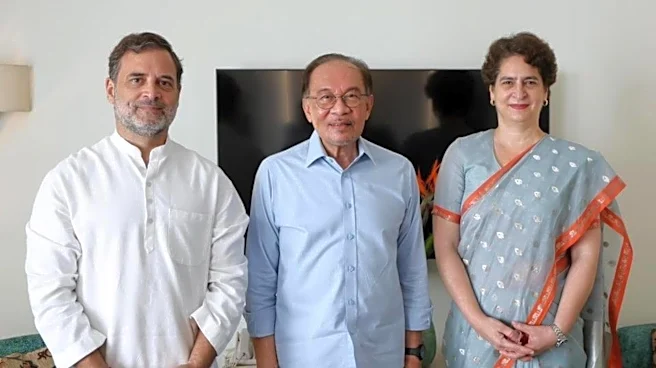
The Congress leadership has begun laying the groundwork for the 2029 Lok Sabha elections, initiating a structural revamp aimed at rebuilding the party from the roots. A series of high-level strategy sessions held by Rahul Gandhi, Priyanka Gandhi Vadra, and AICC General Secretary (Organisation) KC Venugopal have focused on overhaul and accountability within the party’s organisational machinery.
The primary phase of this initiative centres on appointing new All India Congress Committee (AICC) secretaries. Responsible for ground-level operations across states, over 65 secretarial posts are being subjected to rigorous screening. The leadership is prioritising regions with historically weak organisational structures—specifically key states like Uttar
Pradesh, Madhya Pradesh, Odisha, and Maharashtra—recognising that a strong showing in these battlegrounds is vital for any realistic 2029 bid. Aspirants are being evaluated on their operational capability and their aptitude to connect with Gen Z voters, paving the way for a younger leadership tier.
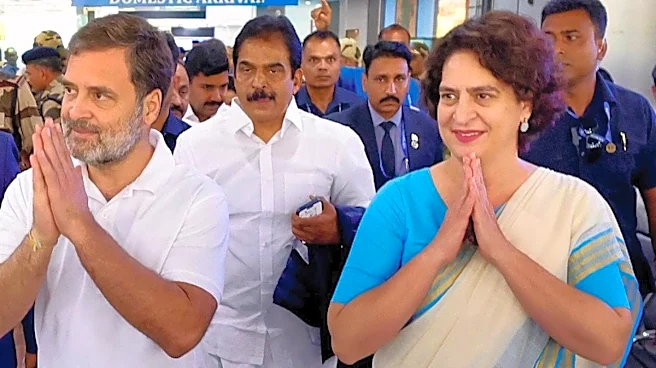
Beyond organisational changes, the deliberations point towards a larger, defined strategic role for Priyanka Gandhi Vadra. Responding to long-standing internal calls for her increased involvement, the party plans to establish an Election Management Strategy Group for 2029, reportedly to be led by Priyanka. The proposed committee is expected to bring together veteran strategists such as Mukul Wasnik and Ashok Gehlot, backed by a cohort of fresh, younger faces. While Rahul Gandhi remains the primary public face and nationwide campaigner—focusing heavily on student and youth outreach (Chaatron Ki Goonj)—Priyanka’s mandate will centre on party image building, narrative sharpening, and strategy execution.
The early mobilisation reflects a sentiment within the Congress that 2029 presents a genuine window of opportunity. Driving this push is Rahul Gandhi’s preference for the party to strengthen its independent organisational footprint rather than relying entirely on regional coalition allies to secure crucial seats. By addressing the narrative gaps that affected voter clarity in previous cycles, the dual-leadership model—Rahul as the public face and Priyanka commanding the strategic engine—aims to build a resilient party structure capable of challenging the ruling BJP’s electoral juggernaut.