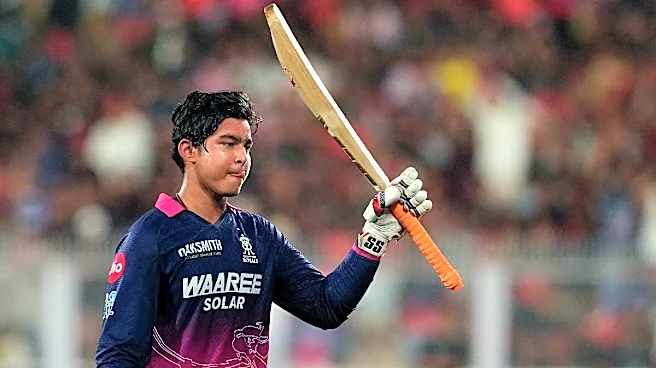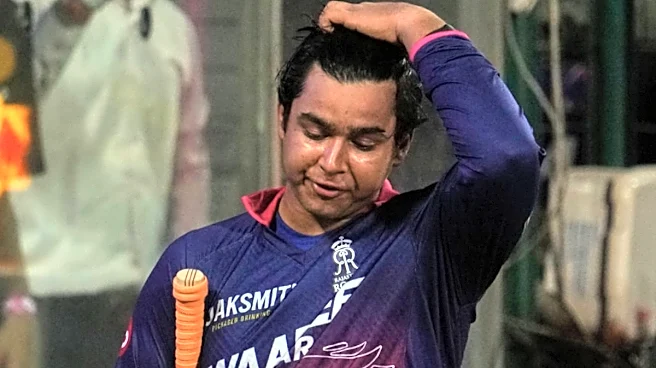

Vaibhav Sooryavanshi has been sensational in the Indian Premier League (IPL) 2026. The 15-year-old batting prodigy has been one of the standout performers of IPL 2026, scoring 583 runs in 14 matches and playing a key role in the team’s run to the playoffs. However, the Impact Sub rule has kept him away from fielding on a majority of occasions.
Former India batter Sanjay Manjrekar has voiced concerns over the Impact Player rule in the IPL, warning that it could hinder the long-term development of emerging talents like Sooryavanshi. Speaking to Sportstar, Manjrekar questioned whether the rule is encouraging one-dimensional cricketers by restricting their overall involvement in matches.
IPL 2026 | Schedule | Results | Orange Cap | Purple Cap
“The
more I think about it, the more I feel we need to do away with the Impact Player rule for this very reason,” Manjrekar said. “Is that really what we want to see about Vaibhav Sooryavanshi? To only see one side of his game?”
He argued that cricket should challenge players across multiple facets rather than allowing specialists to contribute briefly before sitting out the rest of the game.
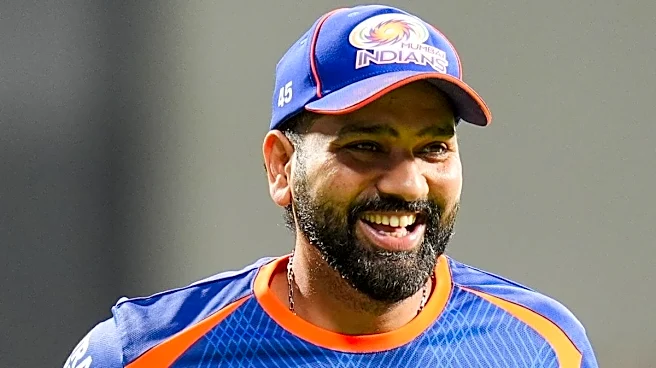
“I was just thinking about this when I saw Rohit Sharma in the last game. He scored 22 runs off 15 balls. His entire contribution lasted 15 deliveries,” Manjrekar said.
“Yet he’ll still receive the full match fee or whatever comes with it. When there’s easy money to be made for very little effort, you have to start questioning that model. That can never be a sustainable, long-term formula for success.”
Manjrekar stressed that evaluating players solely on batting or bowling is not enough and that the game should demand more complete performances.
“A cricketer should be someone who contributes across disciplines,” he added.
“Earlier, we admired players like Inzamam-ul-Haq not just for their batting, but because we also saw the other side of them in the field. That helped you properly assess and understand the player.”
He concluded by emphasising the importance of holistic development in cricket.
“I want the game to test players more thoroughly,” Manjrekar said.
“If someone is a good bowler, I don’t just want to see him bowl four overs. I want to see how he fields as well. The game should examine every aspect of a player, not just one skill in isolation.”