


The United States has imposed sanctions on a Turkish investment bank and two of its subsidiaries over alleged links to Iran, marking the first time Washington has targeted a bank in a NATO ally under its current campaign against Tehran.
The US Treasury Department said on Friday that Istanbul-based Golden Global Yatirim Bankasi, along with Golden Global Portfoy Yonetimi and Golden Global Varlik Kiralama, helped facilitate financial activity linked to Iran’s Islamic Revolutionary Guard Corps Qods Force.
US Targets Iran’s Financial Network
The Treasury’s Office of Foreign Assets Control placed the three Turkish entities on its sanctions list, effectively restricting their access to the US dollar-based financial system.
Washington accused Golden Global of helping Iran move oil revenues
from China through Turkey, where the funds could allegedly be converted into cash and gold.
The Treasury also said the bank provided correspondent banking services to Iranian financial institutions, allowing money linked to the IRGC Qods Force and its alleged proxies to move through the international financial system.
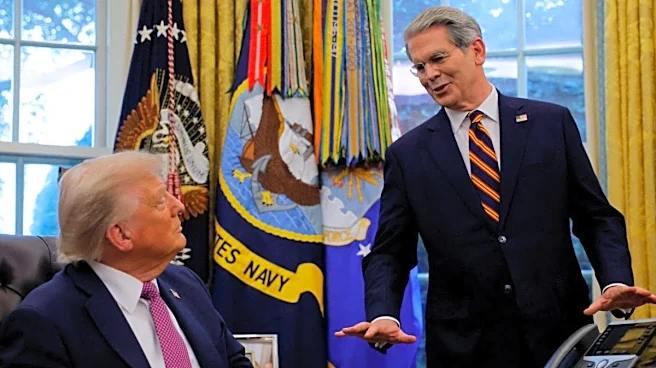
US Treasury Secretary Scott Bessent said the action was intended to warn financial institutions that Washington would target those it believes are helping Iran bypass sanctions.
Bessent also said the US blockade of the Strait of Hormuz was putting pressure on Iran by restricting its ability to export crude oil, while warning that further bank sanctions could follow.
Turkish Bank Rejects US Allegations
Golden Global rejected the US accusations, saying it had complied with Turkish and international banking rules and all relevant compliance requirements.
The bank said the individuals and companies named in the US sanctions decision were not its customers and that it had no direct or indirect dealings with them. It also said it would pursue its legal rights over what it described as unfounded allegations.
The sanctions come after Washington recently moved against parts of Egypt’s Banque Misr over alleged dealings involving Iran.
The latest action has also raised questions about how far the US will extend its financial pressure campaign.
Sanctions expert Brett Erickson told Reuters that the move could increase pressure on Iran, but warned that hurting the country’s economy and changing the course of the war were two different matters.
“If this pressure cannot meaningfully change the economic trajectory of the war, Washington may simply be poking the bear and daring Iran to retaliate in ways that could inflict far greater damage on the global economy,” Erickson said.
Another sanctions expert, Miad Maleki, said the move sent a strong message to Turkey and other financial institutions that could become channels for Iranian money.
“The message to Ankara is pretty blunt: as the Gulf gets shut down, Turkey is the obvious place for this money to move next, and Treasury is already there,” he said.
The Treasury has described its wider campaign as an effort to force Tehran back to negotiations, while warning countries and financial institutions against supporting Iran’s financial networks.
(With inputs from Reuters)