

/images/ppid_a911dc6a-image-178007702816290757.webp)

The government plans to start work on one of its most ambitious river-linking projects by August 1 this year and has fixed a completion date of July 31, 2029, for the Rs 2,300 crore project that will divert surplus water from Chenab river to the Beas river basin.
Last week, CNN-NEWS18 was the first to report on this strategic project. The channel has now also accessed the project’s blueprint.
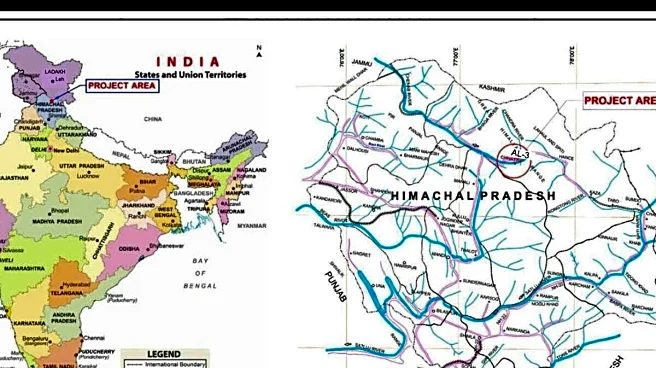
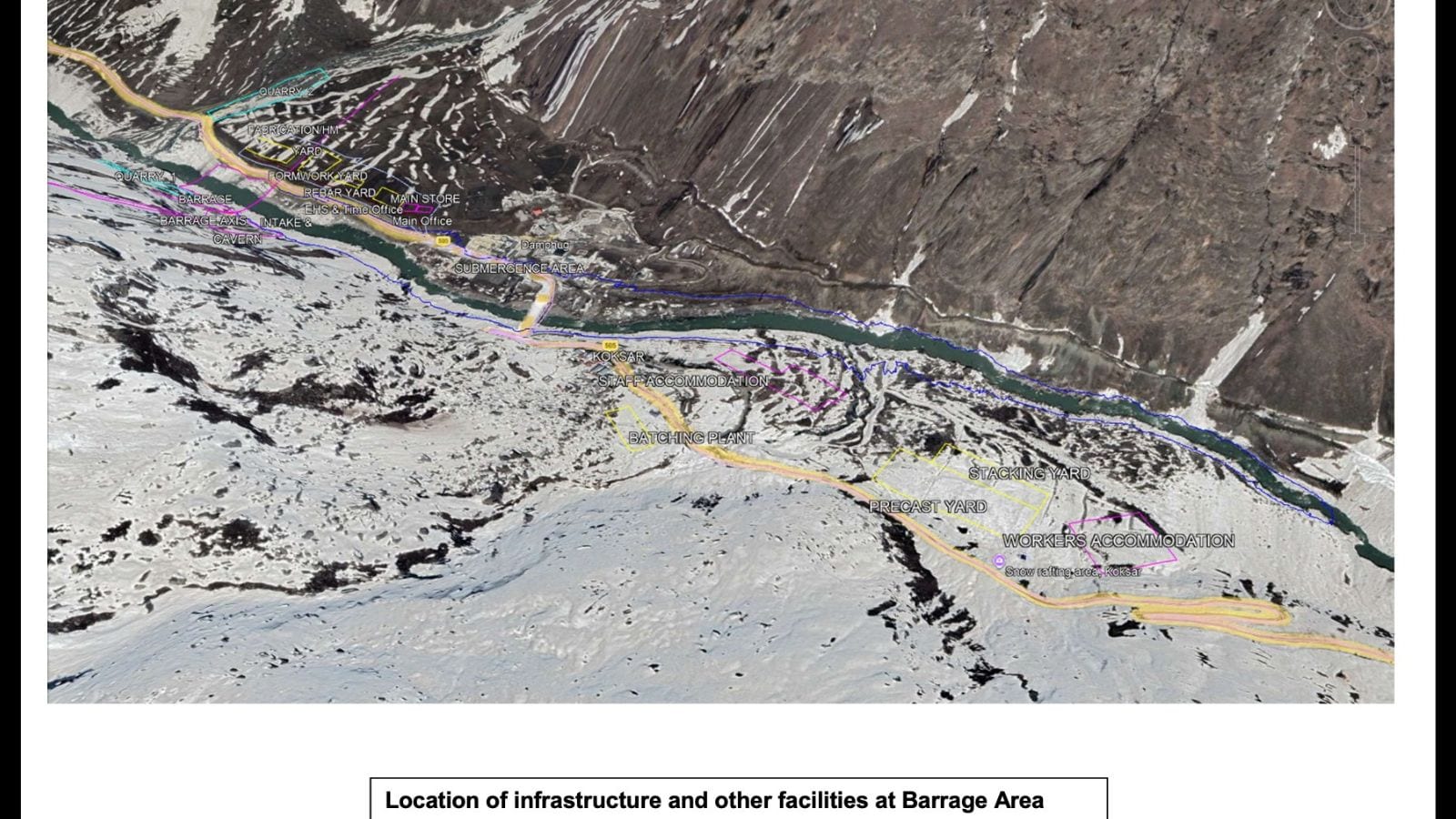
“The Link-3 Project is proposed on Chenab River in Lahaul valley of Lahaul-Spiti district of Himachal Pradesh. In the present proposal, it is envisaged to construct a 19 m high barrage across the river Chenab, intake, and water conveyance tunnel of about 8.7 km length. In addition to that, the project also envisages the possibility of hydropower generation
in Phase-II of development,” says an NHPC document accessed by CNN-NEWS18.
ALSO READ | Modi Govt Kicks Off Mega Dam Project On Chenab After Pausing Indus Treaty With Pakistan | Exclusive
The topography of the area around the proposed barrage area is rugged and the river flows through a wide U-shaped valley in the area. The topography is defined by sharp-crested ridges and wide valleys with relief varying between 3095 m to about 6517m, the NHPC document says about the Chenab–Beas Link Tunnel Project.
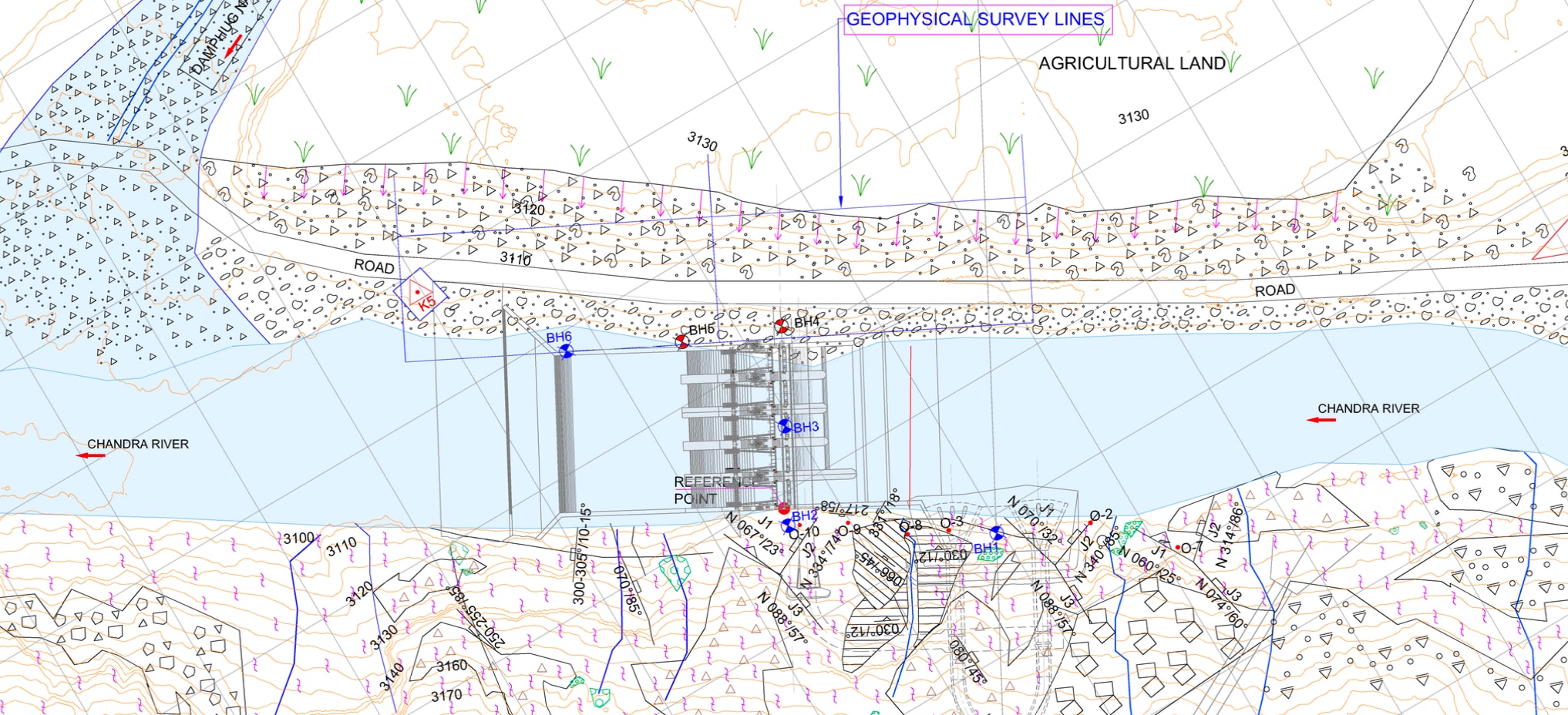
The 8.7-km-long tunnel will divert surplus water from the Chenab basin into the Beas river system, which could ring alarm bells in Pakistan. Chenab is a western river on which India has had limited rights under the Indus Waters Treaty. But the treaty stood abrogated by India ever since the Pahalgam terror attack last year in April.
The diversion site is located near Koskar village and upstream of the north portal of the Atal Tunnel Rohtang. Officials familiar with the development say the project is not merely about hydropower or engineering, but also about optimising India’s utilisation of waters from the western rivers. For years, Indian policymakers and water experts have argued that substantial quantities of water from the western rivers flow downstream unutilised because of inadequate storage, infrastructure and hydro-management capacity. The Chenab-Beas link project is now being viewed as part of a broader effort to address that gap.
The project is also expected to strengthen hydroelectric generation potential in northern India. Officials say Phase-II of the proposal could involve power generation infrastructure linked to the diverted water flows. Himalayan rivers are considered among India’s biggest renewable energy assets, especially at a time when the country is attempting to reduce dependence on thermal power.

/images/ppid_a911dc6a-image-178020445357144771.webp)





/images/ppid_59c68470-image-178023253288468124.webp)




/images/ppid_a911dc6a-image-178006664984754453.webp)
