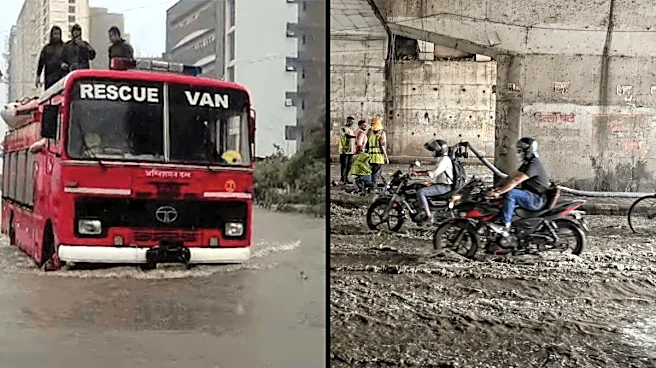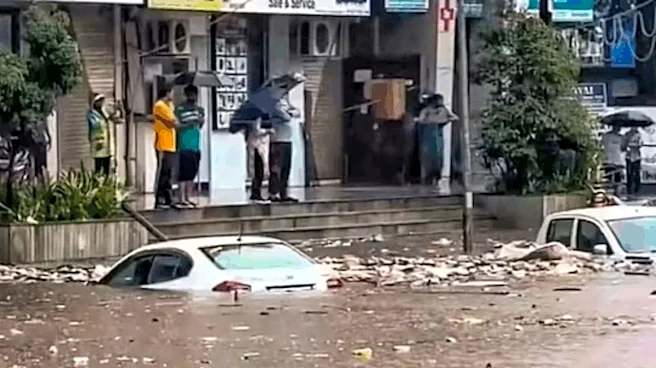

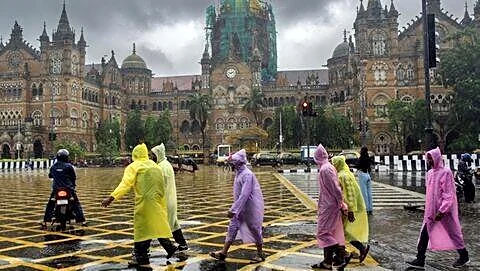
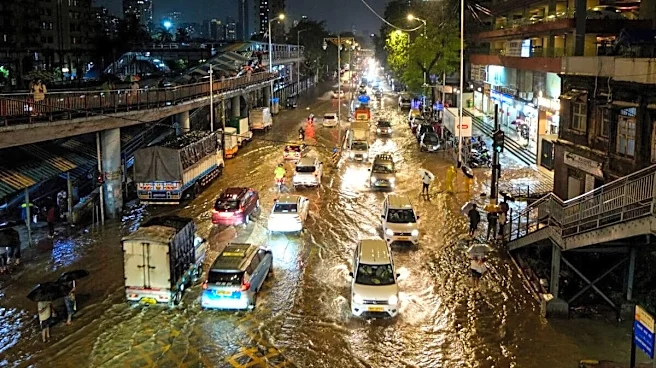



The arrival of severe monsoon downpours across Mumbai, Pune, and Delhi-NCR has once again exposed a predictable and frustrating reality. Within just a few hours of torrential rain, high-tech corporate hubs and premier residential localities transform into chaotic, waterlogged zones.
This happens despite municipal corporations collectively spending thousands of crores on pre-monsoon desilting contracts, upgraded drainage pipelines, and stormwater infrastructure over the past decade. National disaster data reveals that urban development significantly alters natural water flows, increasing peak flood levels by up to eight times and flood volumes by up to six times compared to rural areas. The structural reasons behind this seasonal paralysis reveal why
Indian cities sink so rapidly.
The Colonial Scale Deficit: Systems Overwhelmed by Modern Deluges
The primary engineering bottleneck in India’s leading metros is an outdated design standard. Major parts of Mumbai’s core drainage network were laid during the 19th century and designed to handle a rainfall intensity of just 25 millimetres per hour. Similarly, the drainage blueprints for central Delhi and Pune’s older commercial sectors were mapped out decades ago based on vastly lower population metrics and predictable weather cycles.
Climate change has fundamentally broken these old assumptions. Instead of steady, distributed rainfall over a standard monsoon season, cities now routinely experience hyper-localised, cloudburst-like spells that dump over 100 millimetres of rain within a couple of hours. Because the physical cross-section and carrying capacity of the existing underground pipe network cannot handle this volume of water, storm drains quickly fill up and push excess runoff back onto the streets.
The Concretisation Trap: Eliminating the Natural Soil Sponge
Rapid and unscientific urban growth has systematically covered up the natural earth that once absorbed rainwater. Open soil fields, green verges, and unpaved areas have been completely replaced by asphalt roads, concrete pavements, flyover columns, and interlocking tiles.
- Zero Infiltration: Concretised surfaces stop rainwater from naturally soaking into the ground, turning almost 90% of a downpour into instant surface runoff.
- The Vanishing Green Cover: Satellite tracking across expanding IT and commercial corridors in Pune and Gurugram reveals that critical green cover has fallen well below the globally recommended 33% threshold.
- Disappearing Catchment Lakes: Over the past few decades, urban wetlands, local ponds, and low-lying marshlands have been systematically filled in and built over, destroying the natural retention bowls that used to trap overflow.
Fragmented Governance and Broken Drainage Channels
The financial outlays allocated for flood mitigation are frequently compromised by uncoordinated execution and fragmented governance. In any typical Indian metro, a single drainage line might be managed by multiple independent public bodies, including municipal corporations, regional development authorities, state public works departments, and national highway agencies.
This split ownership means that newly widened roads often lack corresponding upgrades to their drainage outlets. Furthermore, because stormwater channels are rarely separated from municipal sewer networks, solid garbage, plastic wrappers, and raw construction debris constantly flow into the system. This debris chokes critical underground bends long before annual pre-monsoon desilting operations even begin, leaving the city highly vulnerable to the next big storm.




/images/ppid_a911dc6a-image-178341882439218379.webp)