
![[WATCH] Lasith Malinga lookalike seen at Wankhede Stadium during MI vs CSK match](https://glance-mob.glance-cdn.com/public/cardpress/binge-magazine-card-generation/spaces/IN/en/crictracker-spaces/images/ppid_49c02804-image-177696252727427514.webp)


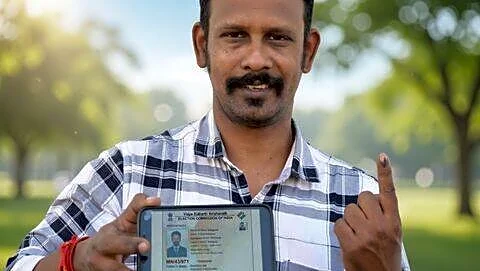
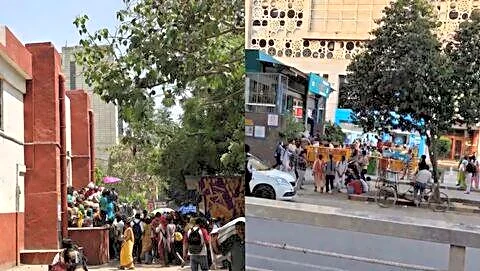
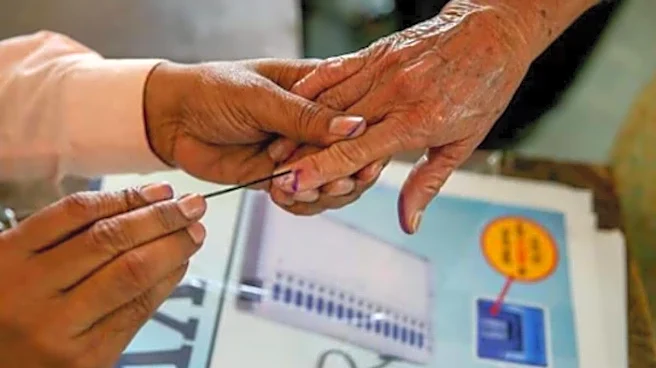
The historic voter turnout across Tamil Nadu and West Bengal in the 2026 assembly elections on Thursday represents a seminal moment in Indian democratic history, offering profound insights into the changing landscape of regional and national politics.
A Mandate of Faith in the System
This surge may indicate a strong endorsement of the robustness of Indian electoral democracy and an expression of faith in the Election Commission, while not being definitive proof of institutional trust on its own. For years, a campaign has raged across the country to shake the faith of the voter in the electoral system—labelled as “rigged, compromised, or managed” by a specific ecosystem. However, the Indian voter has spoken once again and may have expressed faith in the system, even as other
motivations for turnout may also be at play. Chief Election Commissioner Gyanesh Kumar has already hailed the turnout and officially thanked the voters for their participation.
The Expansion of the Saffron Footprint
The BJP has been equally proficient in not only mobilising but also cultivating a voter base, which may indicate that its ideological influence and acceptability are expanding in two states where it is still being thwarted by regional formations, though turnout alone cannot fully establish vote conversion. Specifically in Tamil Nadu, the BJP has been able to inveigle itself to the point that even the AIADMK sees it as a vote aggregator. This suggests that the BJP is no longer purely seen as a “Hindi, upper-caste Hindu” party. This acceptance could point to the BJP’s core philosophy culturally reorganising the polity in Tamil Nadu away from Dravidianism, a trend that would require sustained electoral evidence over time to fully establish.
Shifting Bastions and Regional Dynamics
The vote surge is seen most in traditional AIADMK bastions in comparison to DMK areas of influence, which may indicate an unpredictable dimension to the contest, subject to confirmation from final booth-level data. This shift in historical strongholds suggests a volatility that could redefine the state’s political hierarchy.
Polarisation and Resilience in West Bengal
With respect to West Bengal, which has seen an eye-popping 91.3% turnout provisionally, the voting escalation may indicate that the saffron party has succeeded in consolidating Hindu voters, though turnout by itself does not reveal the direction of vote share. However, this could also reflect heightened political polarisation and intense ground mobilisation across all parties. Most importantly, the high turnout in Bengal may indicate that the voter has finally shaken off the “fear of reprisals,” while alternative explanations such as competitive intensity and mobilisation cannot be ruled out.

/images/ppid_a911dc6a-image-177696403341699175.webp)

/images/ppid_a911dc6a-image-177696403053572512.webp)