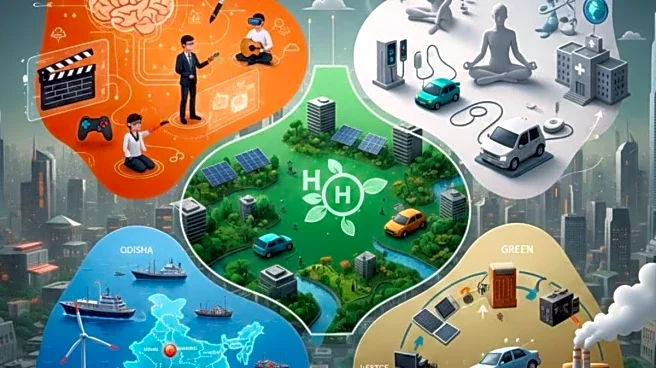


After the Union Budget 2026-27, one term is set to dominate public conversation; the “Orange Economy”. Often mistaken for a shorthand for social media or the so-called reel economy, the concept is, in fact, far broader. Alongside orange, the Budget also foregrounds the blue, green, white and circular economies, each representing a distinct pillar of India’s evolving development strategy.
Taken together, these “colour economies” signal a shift in the government’s economic thinking. The focus is no longer limited to industrial output or headline growth figures. Instead, Budget 2026-27 lays out a vision of sustainable, inclusive and long-term expansion, aligned with the goal of making India a developed nation by 2047. The emphasis is clear; economic value
must be drawn not only from factories and infrastructure, but also from creativity, oceans, healthcare systems and resource efficiency.
Orange Economy
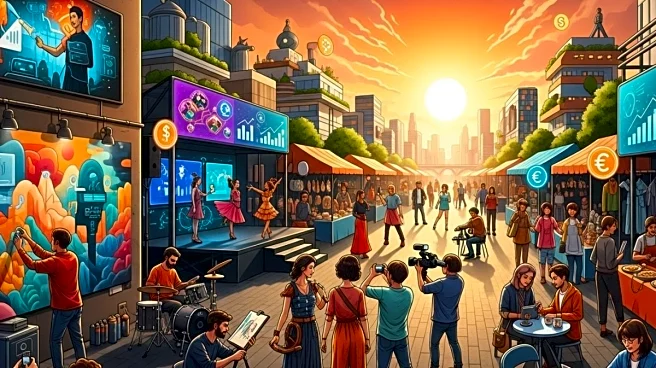
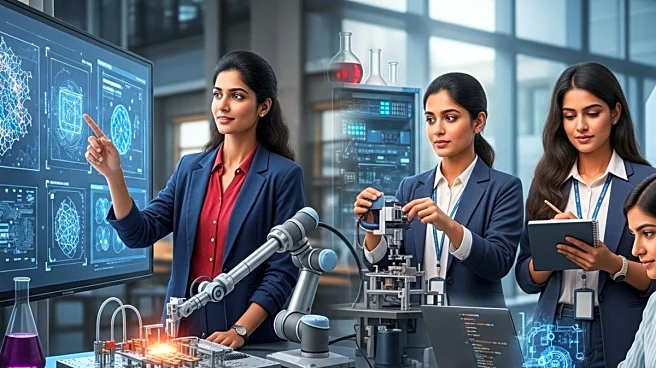
The orange economy, also referred to as the creative economy, has emerged as one of the most discussed aspects of the Budget. It encompasses sectors such as art and culture, film and television, music, gaming, animation, design, publishing, advertising and digital content creation. The colour orange is used to symbolise creativity and intellectual capital.
In India, this sector is currently estimated to be worth around $30 billion, employing nearly 8% of the country’s workforce and generating exports valued at over $11 billion. What stands out is its pace of growth, which is outstripping several traditional manufacturing segments.
The Budget places particular emphasis on the AVGC sector, animation, visual effects, gaming and comics. According to government estimates, this industry will require close to two million skilled professionals by 2030. To bridge this gap, the government has announced the creation of AVGC Content Creator Labs, with 15,000 labs to be set up in schools and another 500 in colleges nationwide. The move marks a significant policy shift, signalling that activities once viewed as hobbies are now being recognised as viable professions.
Green Economy
The green economy remains central to the government’s climate commitments. It includes economic activities that reduce environmental damage and promote sustainable use of resources. Budget 2026-27 reinforces India’s net-zero ambitions through substantial allocations to clean energy initiatives.
Key measures include enhanced funding for the Green Hydrogen Mission, expanded subsidies for rooftop solar installations under schemes such as PM Surya Ghar Yojana, and accelerated development of electric vehicle infrastructure, particularly charging stations. Together, these initiatives aim to lower carbon emissions while creating new avenues for investment and employment.
Blue Economy
With a coastline stretching over 7,500 kilometres, India’s oceans represent a largely untapped economic resource. The blue economy focuses on the sustainable use of marine assets, including fisheries, shipping, coastal tourism, offshore energy and seabed minerals.
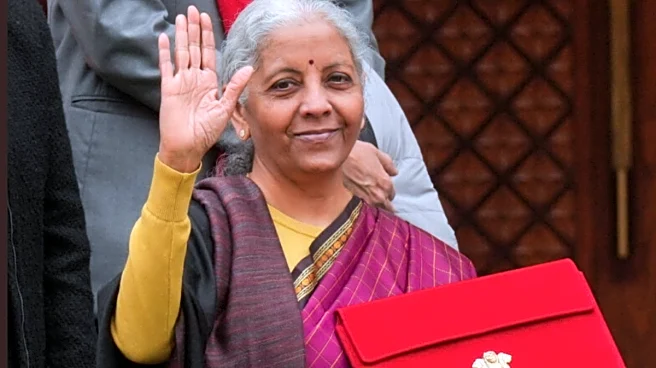
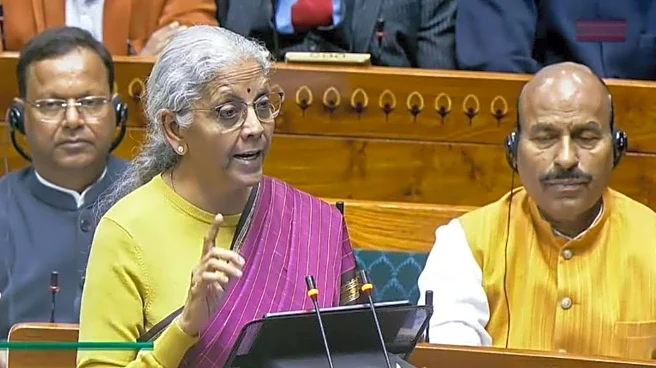
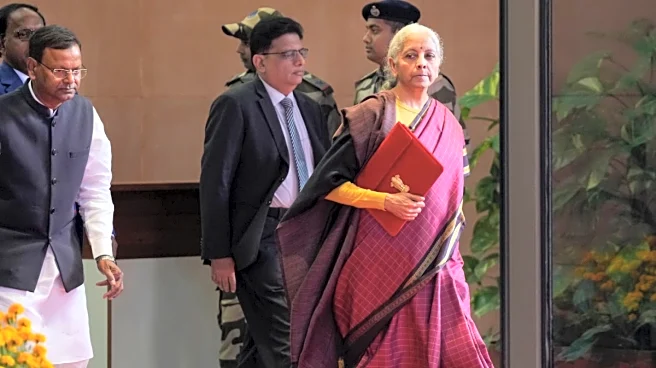
Under Budget 2026-27, the government has reiterated its commitment to projects such as Sagarmala and the Deep Ocean Mission. In her Budget speech on February 1, 2026, Finance Minister Nirmala Sitharaman announced the development of dedicated rare earth corridors in four mineral-rich states – Odisha, Kerala, Andhra Pradesh and Tamil Nadu. These states will receive targeted assistance to tap rare earth elements located in coastal and mineral belt regions, a move aimed at strengthening India’s strategic supply chains.
White Economy
Healthcare forms the core of what is described as the white economy, covering medical services, health research, medical equipment manufacturing and nutrition. The Union Budget has allocated a record Rs 1,04,599 crore to the health sector, underscoring its growing economic and social importance.
In the coming year, five medical tourism hubs will be established under the public-private partnership model. The Budget also places renewed emphasis on traditional systems of medicine. Three new All India Institutes of Ayurveda will be set up, while AYUSH pharmacies and drug-testing laboratories will be upgraded. The WHO Global Traditional Medicine Centre in Jamnagar, Gujarat, is slated for further modernisation, with the aim of positioning India as a global hub for traditional healthcare.
Circular Economy
Completing the spectrum is the circular economy, built on the principle of “use, reuse and recycle”. It seeks to minimise waste by extending the lifecycle of products and materials, whether through recycling electronic waste, repurposing plastic for road construction, or converting waste into energy.
Budget 2026-27 strengthens this approach by expanding incentives for waste-to-energy projects and reinforcing the Vehicle Scrappage Policy, which encourages the recycling of old and polluting vehicles.
/images/ppid_59c68470-image-1770035069822180.webp)

/images/ppid_59c68470-image-176993503937031956.webp)
/images/ppid_59c68470-image-176992756976465576.webp)

/images/ppid_a911dc6a-image-176993252682897307.webp)
