
/images/ppid_59c68470-image-177090503910118761.webp)
/images/ppid_a911dc6a-image-177089643255689813.webp)
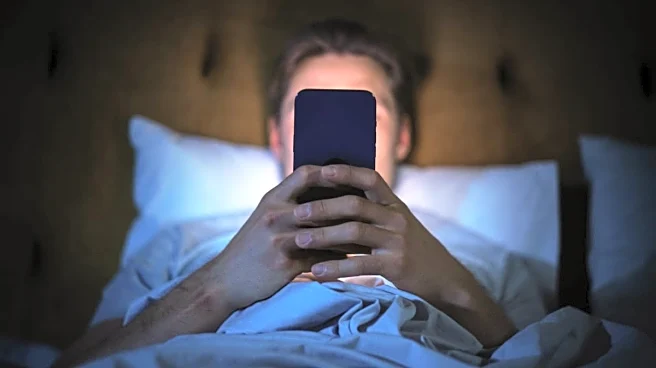
For “digital natives” raised on the rapid-fire convenience of the internet, Valentine’s Day has transformed from a simple celebration of romance into a high-stakes psychological hurdle. While dating apps promise to expand our horizons, they have inadvertently introduced a phenomenon that makes finding a partner feel less like a fairy tale and more like a stressful retail experience.
The Paradox of Choice
At the heart of this modern malaise is what psychologist Barry Schwartz famously termed the Paradox of Choice. In theory, having more options should make us happier, but in reality, an overabundance of potential partners leads to decision paralysis. For a generation that can swipe through hundreds of profiles in a single sitting, the sheer volume of “matches” creates
a subtle but pervasive illusion: that someone better, smarter, or more attractive is always just one scroll away.
This “maximiser” mindset forces users into a state of perpetual “search mode” rather than “decide mode”. When faced with infinite alternatives, the cognitive load becomes exhausting. Digital natives often find themselves second-guessing their connections, wondering if they have settled too early. Consequently, the satisfaction derived from any single relationship often diminishes because the “opportunity cost” of the thousands of unpicked profiles feels too high.
The Loneliness of the Infinite Swipe
Paradoxically, this abundance of choice is making people lonelier. Research into “dating app burnout” suggests that the gamified nature of these platforms—prioritising quick, superficial judgments over meaningful interaction—leads to emotional depletion. For many, the experience of being “ghosted” or ignored by a match acts as a form of social ostracism that triggers the same brain regions as physical pain.
Because these platforms treat human connection as a disposable commodity, the depth of engagement often remains shallow. Users may have dozens of active conversations yet feel a profound lack of intimacy. On Valentine’s Day, this contrast becomes stark. The social pressure to showcase a “perfect” relationship on platforms like Instagram intensifies the feeling of inadequacy for those caught in the cycle of endless swiping.
The Rise of Romantic Fasting
By February 2026, a new counterculture has emerged among Gen Z and Millennials: Romantic Fasting. Recognising that the “always-on” nature of dating apps is detrimental to their mental health, many young adults are choosing to go into “airplane mode” for the Valentine’s period. This involves pausing new matches and deleting apps to avoid the forced milestones and comparison anxiety that the holiday brings.
Instead of chasing the elusive “perfect 10”, there is a growing trend toward “6-7 dating”—prioritising peace, reliability, and emotional steadiness over the cinematic, high-intensity romance glorified online. By narrowing their focus and embracing the “good enough”, digital natives are attempting to reclaim their agency. They are learning that in a world of infinite options, the most romantic act might simply be the decision to stop looking and start seeing the person right in front of them.
/images/ppid_a911dc6a-image-177095453061774080.webp)


/images/ppid_59c68470-image-177091003748320658.webp)

/images/ppid_59c68470-image-177098253876076799.webp)



/images/ppid_a911dc6a-image-177081102966228140.webp)