
/images/ppid_59c68470-image-177797755956649816.webp)
/images/ppid_59c68470-image-177799266489412631.webp)
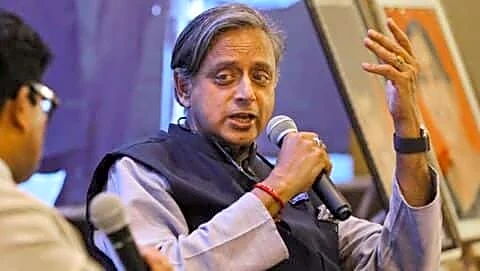
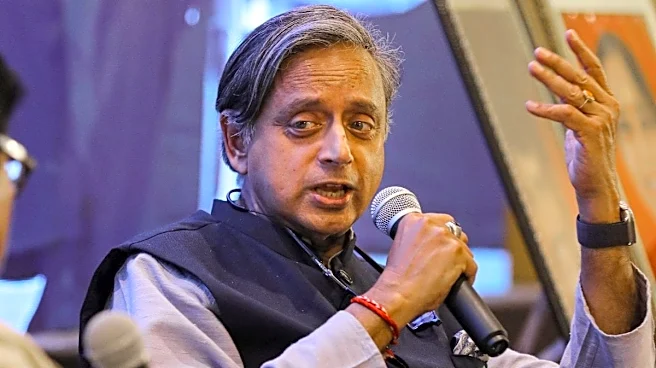
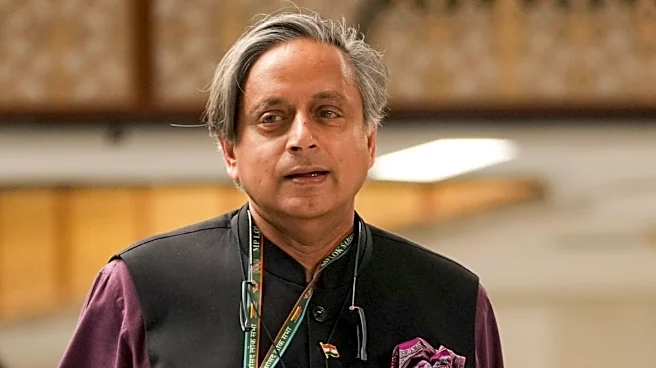
Senior Congress leader Shashi Tharoor moved the Delhi High Court seeking protection of his personality rights. Shashi Tharoor’s suit is scheduled to be heard on Friday by Justice Mini Pushkarna and as per court records, he has named several individuals as defendants in the case, including “John Does” a -legal term used for unknown individuals whose identities may not yet be known.
While the exact details of the relief sought by Shashi Tharoor are yet to emerge, the move places him among a growing list of politicians, actors, influencers and public figures approaching courts to prevent unauthorised use of their name, image, likeness or identity.
Read more: Thane Dust Storm: Eknath Shinde’s Helicopter Veers Off Course, Makes Safe Landing In Mumbai
Who Else Has Sought Personality Rights Protection In India?
In recent years, the Delhi High Court witnessed a sharp rise in personality rights cases, particularly amid the growth of AI-generated content, deepfakes, online impersonation and unauthorised endorsements. The court has previously protected the personality rights of entrepreneur Aman Gupta, Telugu actor Allu Arjun, Malayalam actor Mohanlal, spiritual preacher Aniruddhacharya, singer Jubin Nautiyal, Andhra Pradesh Deputy Chief Minister Pawan Kalyan, former cricketer Sunil Gavaskar and actors Kajol Devgan, R Madhavan and N. T. Rama Rao Jr.. A similar suit has also been filed by Bollywood actor Salman Khan.
Who Else Has Been Granted Personality Rights Protection?
Coordinate benches of the Delhi High Court have also passed orders protecting the personality rights of Sri Sri Ravi Shankar, Telugu actor Nagarjuna, Bollywood actors Aishwarya Rai Bachchan and Abhishek Bachchan, as well as filmmaker Karan Johar. The court has also extended protection to journalist Sudhir Chaudhary, who sought relief against allegedly misleading and AI-generated videos circulating on social media platforms.
Read more: ‘We Are Ready To Talk To Them’: MEA Dismisses Nepal’s Lipulekh Claim As ‘Untenable’
In another notable case, the Delhi High Court passed a John Doe order protecting the personality rights of podcaster Raj Shamani, observing that he had become a widely recognised public figure in India, especially in the digital content space.
What Are Personality Rights In India?
Personality rights- sometimes referred to as publicity rights or celebrity rights- relate to an individual’s right to control the commercial use of their identity. These rights generally protect a person’s name, voice, image, signature, likeness, mannerisms and other identifiable attributes from being used without permission.
In India, personality rights are not governed by a single dedicated law. Instead, courts have recognised them through constitutional protections related to privacy, dignity and reputation, along with intellectual property and passing-off principles.
When courts grant personality rights protection, they can restrain individuals, websites, platforms or unknown entities from using a person’s identity without consent. This may include blocking fake advertisements, AI-generated deepfakes, misleading videos, morphed images, unauthorised merchandise, fake endorsements or social media impersonation.