

/images/ppid_59c68470-image-178788758278461735.webp)
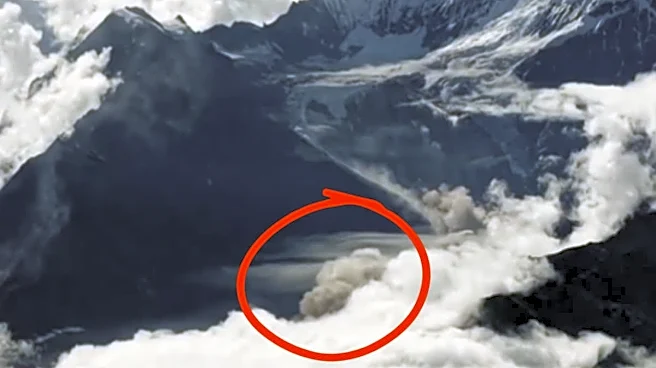
A video accidentally capturing the collapse of a large portion of a glacier that has likely triggered the devastating Nepal flash floods has been circulating on social media.
The video, recorded by a Chinese photographer, captures the moment when a large portion of the glacier collapsed near Langtang Lirung along the Nepal-China border, triggering devastating landslide and avalanche.
Sharing the video, the photographer said that he heard the sound of the glacier collapsing at around 10:30 a.m. local time on August 26 and first mistook it for some form of a military exercise.
A Chinese photographer accidentally captured the catastrophic avalanche on Mount Lamtang in Nepal during a drone shoot.
[📹 HeyMu. Travel] pic.twitter.com/rgWylkezSC
— Massimo
(@Rainmaker1973) August 28, 2026
The glacial collapse, which led to the flash floods in Nepal on Wednesday, was so strong that the US Geological Survey initially reported it as a magnitude 4.4 earthquake.
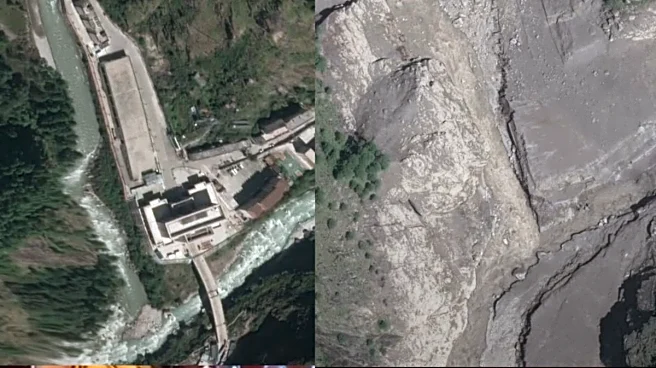
After studying the satellite images from before and after the disaster, scientists have stated that a huge chunk of glacier had collapsed from high on a mountain.
The broken part of the glacier then plunged into a river, which, according to a CNN report, was roughly a 7,000-foot vertical drop.
Also Read: Nepal Flood Horror: As Bodies Keep Emerging From Rivers, Govt Scrambles For Space In Morgues
According to CNN, the part of the glacier that fell was nearly 2,000 feet wide and had created a 3,000-foot-wide gash in the mountainside.
All About Nepal Floods
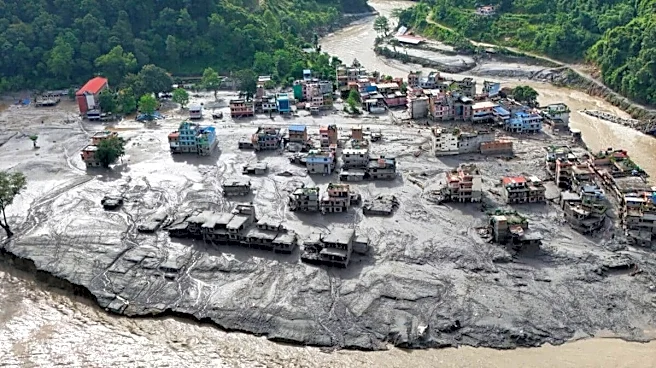
The floods struck on Wednesday after an ice-rock avalanche near the Lhende River along the Nepal-Tibet border sent a massive surge of water, sediment and boulders into the Bhote Koshi and Trishuli river systems.
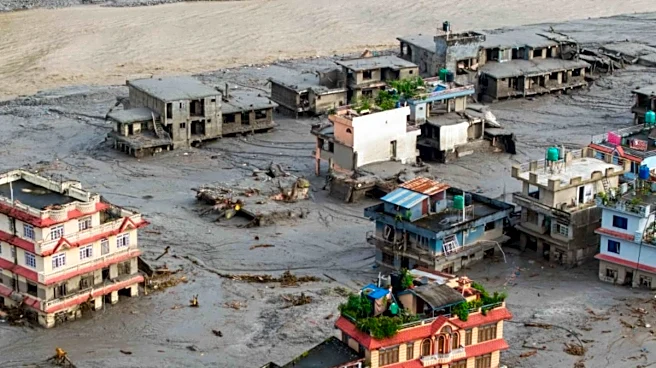
The disaster has killed at least 538 people in Nepal and five in China, while hundreds remain missing.
The Rasuwa and Dhading districts bore the brunt of the disaster before floodwaters moved further downstream into Nuwakot, Chitawan, Gorkha, Tanahu and Nawalparasi East.
The scale of the destruction has made it difficult for rescue teams to reach several affected areas, with roads and bridges washed away and communication and power links disrupted.
/images/ppid_59c68470-image-178807002755920538.webp)


/images/ppid_59c68470-image-178791253661980644.webp)


/images/ppid_59c68470-image-178788506639630690.webp)