

/images/ppid_a911dc6a-image-178041769256331067.webp)

New Delhi, Jun 5 (PTI) India can no longer afford to remain heavily dependent on fuel imports, Prime Minister’s Office (PMO) Advisor Tarun Kapoor said on Friday, urging the transport sector to transition towards domestically produced fuels to bolster the country’s energy security.
His remarks come against the backdrop of ongoing geopolitical tensions in West Asia, which have disrupted global energy markets and highlighted India’s vulnerability to external supply shocks. India currently imports a significant share of its crude oil requirements.
Addressing a conference organised by the Society of Indian Automobile Manufacturers (SIAM), Kapoor said, “The transport sector must play a central role in strengthening India’s energy security. We cannot
continue to depend on large-scale fuel imports and, over time, must move towards fuels that can be produced within the country.” He noted that while the three-wheeler segment is well-positioned for rapid electrification, the pace of adoption in the four-wheeler segment also needs to accelerate substantially.
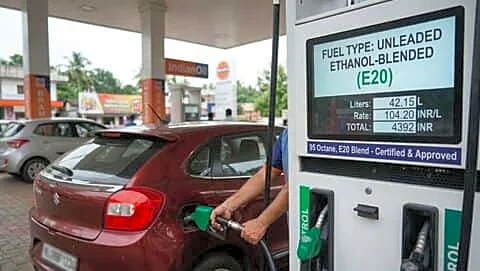
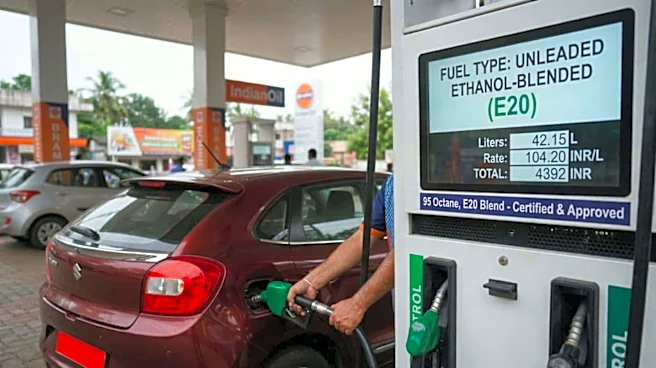
Kapoor highlighted that India is pursuing multiple clean and alternative fuel pathways, including biofuels, ethanol and isobutanol blends, flex-fuel technologies, compressed biogas, green hydrogen, LNG/CNG, electric mobility, and synthetic fuels.
“In addition, coal gasification-based fuel pathways are also being explored as part of India’s broader effort to diversify domestic energy sources and strengthen clean mobility, energy security and decarbonisation outcomes,” he said.
Speaking at the event, Prashant K Banerjee, Executive Director of SIAM, said, “We are living through a time of unprecedented challenges, from climate change and air pollution to energy security concerns. But every challenge also creates an opportunity, and as the world’s largest market for two-wheelers and three-wheelers, India has already demonstrated remarkable progress in sustainable mobility.” Marking World Environment Day, SIAM organised the sixth International Conference on “Climate Action: Accelerating India’s Transition to a Low-Carbon Future.” PTI RSN HVA

/images/ppid_59c68470-image-178058011503933340.webp)