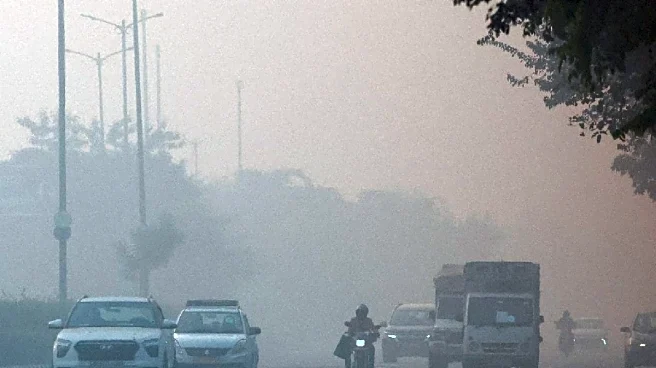

In Delhi, air pollution is no longer a seasonal inconvenience—it is a harsh reality residents have learned to live with. Every year, as winter approaches, the city braces itself for weeks of choking smog
caused by vehicular emissions, industrial pollution, waste burning, and stubble burning in neighbouring states. The air turns visibly thick, outdoor life slows down, and breathing itself becomes a daily concern.
Delhi has repeatedly ranked among the most polluted cities in the world, and for many residents, this is no longer surprising. While there have been occasional, short-lived improvements, average AQI levels between 2021 and 2025 have consistently hovered above 150. The situation becomes especially alarming between October and February, when air quality often slips into the very poor or severe category, affecting daily life across age groups.
This year followed the same troubling pattern. As pollution levels surged, the government was forced to impose Graded Response Action Plan–4 (GRAP-4), its strictest emergency measure. With AQI readings reaching 300–400 and crossing 401 in several areas, the air posed health risks not just to vulnerable populations but to everyone. According to the Central Pollution Control Board, prolonged exposure at these levels can worsen existing illnesses and trigger serious health issues even in otherwise healthy individuals.
Dr Nikhil Modi, Senior Consultant, Respiratory, Critical Care and Sleep Medicine, Indraprastha Apollo Hospitals, explains that even with GRAP-4 measures such as vehicle restrictions, reduced commercial activity, schools shifting to online classes, and work-from-home options, civilians remain vulnerable to the effects of polluted air. He emphasises that individual precautions play a critical role in protecting health during such periods.
Use a High-Quality Air Purifier at Home
“One of the most basic yet effective precautions for Delhi residents is using a high-quality air purifier indoors,” says Dr Modi. Air purifiers help filter particulate matter and contaminants such as dust and pollen that irritate the airways, cause coughing, throat irritation, and breathing difficulty. They significantly reduce indoor AQI and are especially beneficial for people with asthma or other chronic respiratory conditions. However, Dr. Modi advises regular cleaning and replacement of filters to ensure optimal effectiveness.
Masks Are the First Line of Defence
While many associate masks with the pandemic, Dr Modi stresses that they remain essential protection against air pollution. “Not all masks are effective,” he notes. “N95 masks are recommended as they can filter out fine pollutants like PM2.5.” These masks also reduce exposure to airborne infections such as COVID-19 and seasonal flu. For maximum protection, masks must fit snugly around the nose and mouth, loose-fitting masks offer limited benefit.
Lifestyle Changes Help Reduce Health Impact
According to Dr. Modi, lifestyle modifications can significantly help the body cope with polluted air. Diets rich in antioxidants such as leafy greens and citrus fruits help combat inflammation caused by pollution. Staying well hydrated keeps the airways moist and aids in flushing out toxins. He strongly advises smokers to quit or reduce smoking, as tobacco smoke combined with polluted air greatly increases the risk of lung disease.
Limit Outdoor Exposure
The shift to online schooling and work-from-home arrangements under GRAP-4 highlights the most effective precaution: minimising outdoor exposure, explains Dr. Modi. With AQI levels dangerously high, outdoor activities should be restricted. Windows should remain closed, and ventilation should be done only when pollution levels are relatively lower. Fitness enthusiasts are advised to move workouts indoors, as physical exertion increases breathing rate and, consequently, the intake of harmful particulate matter.
In a city like Delhi, government interventions alone are not enough. Dr. Modi emphasises that individuals must stay informed about local air quality, make conscious lifestyle choices, and prioritise personal protection. These steps can help reduce the immediate health risks of air pollution while supporting long-term efforts toward cleaner air and a healthier future for the capital.



/images/ppid_a911dc6a-image-177098609283733676.webp)

/images/ppid_a911dc6a-image-177098604430638966.webp)
/images/ppid_a911dc6a-image-177098617669599604.webp)
/images/ppid_a911dc6a-image-177098602618035982.webp)