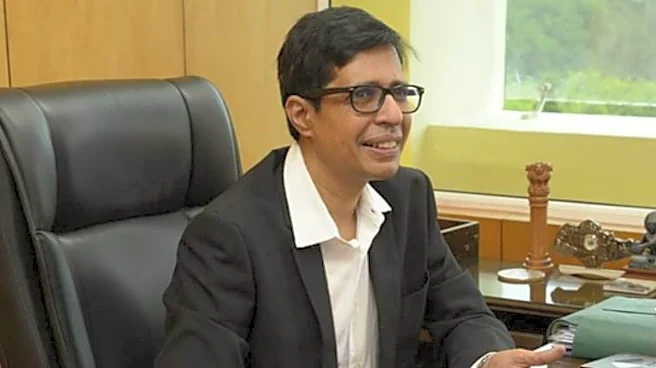


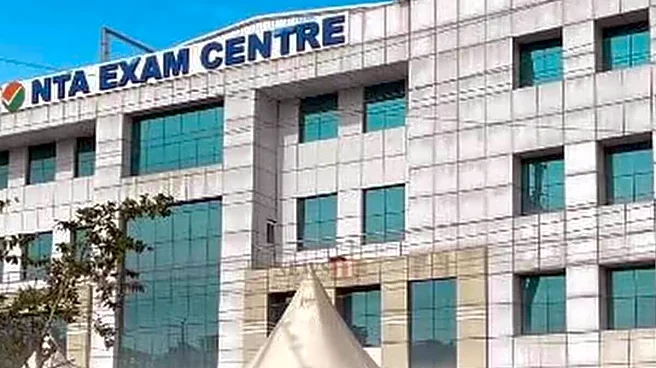

The Centre on Sunday announced the members of a six-member expert panel that will recommend structural and technological reforms to the National Testing Agency (NTA). Following this, IIT Madras Director V Kamakoti, who is part of the high-powered task force, said fixing accountability across institutions involved in conducting examinations will be one of its top priorities.
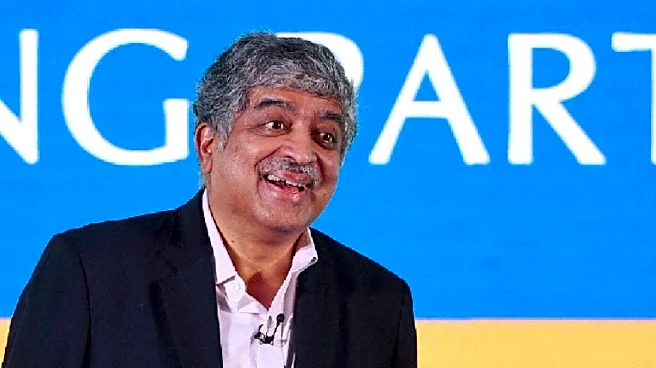
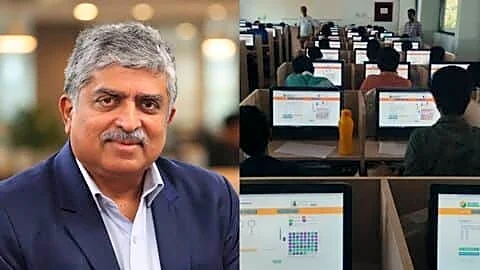
The multidisciplinary task force will be headed by technology expert Nandan Nilekani. It has been set up to recommend comprehensive reforms to make the NTA’s examination process more transparent, secure and technology-driven.
Speaking exclusively to CNN-News18, Kamakoti outlined the key objectives of the panel and said its work would focus on strengthening the country’s examination
system.
Kamakoti said the task force has identified two main focus areas – technological advancements and building a robust organisational structure. He said the approach would be to fix accountability in every institution responsible for conducting examinations across the country.
The panel will recommend immediate measures to secure upcoming examinations. It has also been tasked with overhauling India’s national examination and testing systems to make them leakproof and secure while maximising the use of advanced technology to create a transparent and future-ready process.
According to Kamakoti, competitive examinations have changed significantly over the years as the number of aspirants has continued to grow.
“The examinations have been evolving over the period of time. Ever since I appeared for it, to now when more and more students as aspirants who have been appearing for the competitive examinations,” he said.
NEET paper leak shook trust
Kamakoti said the alleged NEET-UG 2026 paper leak had exposed serious weaknesses in the existing system.
“The root of trust in this year NEET UG exam was compromised, those who set the examination paper had leaked it. The NTA had trusted that core group but that trust was shaken. There are imminent challenges that we would have to face and bring reforms suited accordingly,” he said.
He also pointed to the growing number of students appearing for higher education entrance examinations. Referring to the All India Survey of Higher Education, he said a 30 per cent growth had been recorded, indicating that more students would appear for such examinations in the future.
Kamakoti added that rapid technological advancements had also brought new challenges, including artificial intelligence.
Why each member was chosen?
Describing the composition of the task force, Kamakoti said every member had been selected for their expertise.
He said Nilekani was the best person to deploy technology at scale. Explaining the inclusion of former ISRO Chairman S Somanath, Kamakoti said, “Launching a rocket and running an examination are the same,” adding that no one was better suited for the role.
He said former Intelligence Bureau Director Tapan Deka would help secure the implementation of examinations from legal and intelligence perspectives.
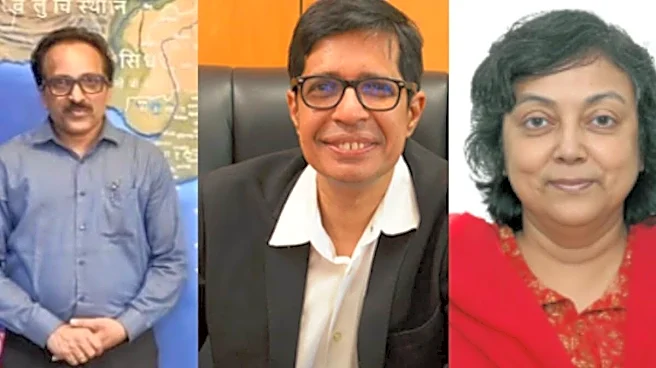
According to the government, the panel will focus on technology, institutional reforms and improving the credibility of the examination ecosystem. Besides Nilekani, the task force includes former ISRO Chairman S Somanath, former Intelligence Bureau Director Tapan Deka, IIT Madras Director V Kamakoti, former Higher Education Secretary Anita Karwal and logistics expert Amrit Lal Meena.
The panel will review the existing examination framework and recommend measures to improve transparency, accountability and efficiency in national-level entrance examinations. The announcement comes as the Centre pushes for reforms following the alleged NEET-UG 2026 paper leak.

/images/ppid_a911dc6a-image-17850924324894864.webp)

/images/ppid_59c68470-image-178508752523588560.webp)