
/images/ppid_59c68470-image-177485003523016713.webp)
/images/ppid_59c68470-image-177502253076831764.webp)
/images/ppid_59c68470-image-177496504077167096.webp)
As tensions continue to intensify across West Asia, the Iranian Embassy in India issued a message aimed at reassuring Indian nationals about their safety. Follow Live Updates Here
“Our Indian friends are in safe hands, no worries,” the embassy said in a post on X.
The statement comes as regional tensions continue to rise, with Iran asserting control over the strategically crucial Strait of Hormuz.
Our Indian friends are in safe hands, no worries 😉 https://t.co/5NqoSFlDPQ
— Iran in India (@Iran_in_India) April 1, 2026
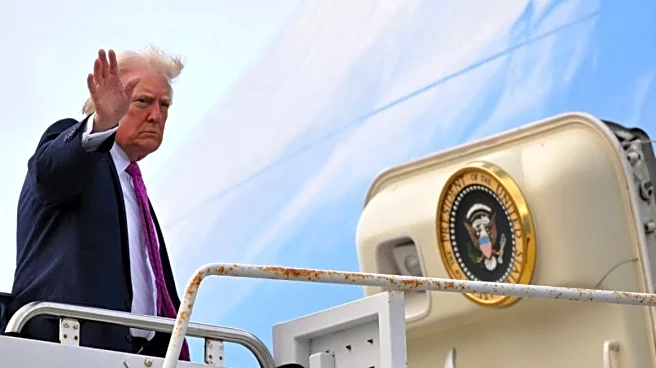
The Islamic Revolutionary Guard Corps (IRGC) said the waterway remains under its “full and decisive control,” while dismissing recent proposals by US President Donald Trump to reopen the key shipping route.
Also Read: Trump Threatens
Iran With ‘Stone Age’ But His Aides Say Tehran ‘Not Feeling The Pain’
The development underscores heightened geopolitical tensions in the region, even as Iran attempts to project stability and reassurance to foreign nationals.
Also Read:
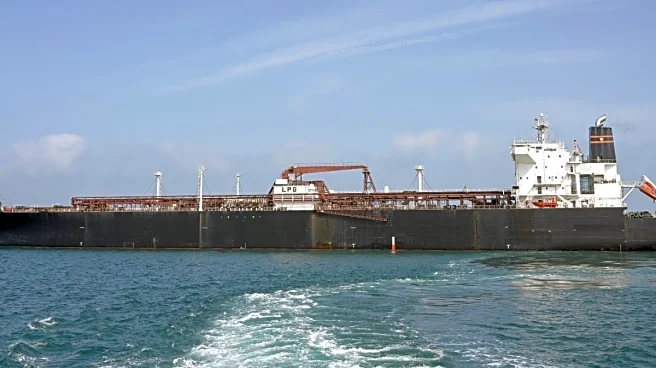
Iran’s Parliament has approved a new management plan for the Strait of Hormuz that proposes tolls on vessels and restrictions on certain countries, according to Iranian state media.
Also Read: What Are Lucas Drones? America’s New Best Weapon Is Actually An Inspiration From Iran
The Islamic Republic of Iran Broadcasting (IRIB) reported that the plan introduces a rial-based toll system for ships transiting the strategic waterway. It also outlines provisions related to maritime security, vessel safety, environmental protection and financial mechanisms governing passage.
The plan bars US and Israeli vessels from using the route and extends restrictions to countries that have imposed unilateral sanctions on Iran. It also reinforces Iran’s sovereign control over the Strait and proposes coordination with Oman to establish a legal framework for its regulation, IRIB reported.
Also Read: ‘Missiles Were Falling Around Us’: Indian Sailors Detained By Iranian Authorities Return Home
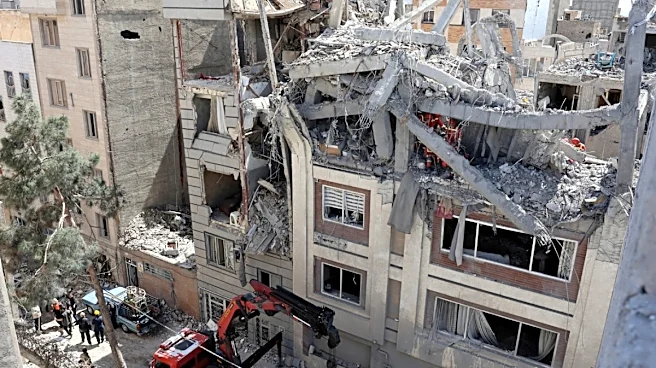
The move comes amid the ongoing conflict in West Asia between Iran and a US-Israeli coalition, now in its second month, and signals Tehran’s attempt to tighten control over a key global oil transit route.
/images/ppid_a911dc6a-image-177492643134732273.webp)

/images/ppid_a911dc6a-image-177492387404418600.webp)

/images/ppid_59c68470-image-177488004102330643.webp)

/images/ppid_a911dc6a-image-177497842712714047.webp)
/images/ppid_59c68470-image-177501012065149305.webp)
/images/ppid_59c68470-image-177501260625127408.webp)