


Eight people allegedly pulled off a Rs 10-lakh crude oil heist in Rajasthan by locating an underground Hindustan Petroleum Corporation Limited (HPCL) pipeline and tapping into it, police said.
The group of petty thieves is accused of siphoning around 20 tonnes of crude oil, filling two vehicles with roughly 10 tonnes each before fleeing the spot. The theft reportedly remained undetected for more than two weeks, until a tip-off reached the Gujarat Anti-Terrorist Squad (ATS).
The case has now exposed a striking attempt to steal crude from critical energy infrastructure in Balotra district, where the pipeline runs underground.
Three feet down, six feet below the surface
According to investigators, the accused first identified the route of the underground pipeline in the Parpadar area of Balotra.
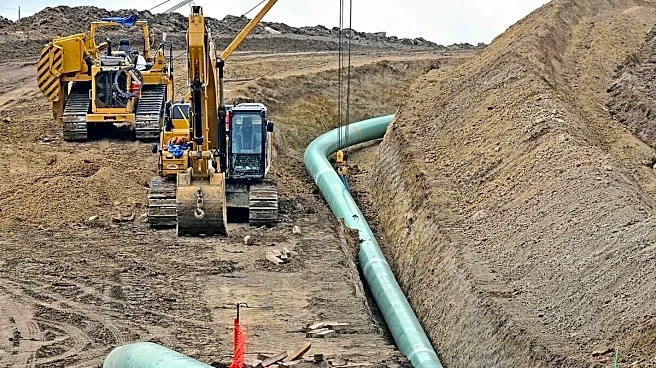
The pipeline was buried about six feet underground. The suspects allegedly dug a pit of around three feet and worked their way towards the line before making an illegal connection.
Police said the high-pressure pipeline was punctured and a valve fitted to draw out the crude.
The operation required more than simply finding the pipeline. The accused allegedly had to identify its location accurately, excavate the ground, and arrange vehicles capable of carrying large quantities of crude.
Two vehicles, 20 tonnes of oil
Once the illicit tapping was in place, the group allegedly siphoned crude into two vehicles.
Each vehicle is believed to have carried about 10 tonnes of oil, taking the total quantity to approximately 20 tonnes. Police have put the value of the stolen crude at around Rs 10 lakh.
The men managed to leave with the vehicles before authorities arrived.
The theft was not immediately detected, giving the accused time to get away and leaving investigators to reconstruct how the pipeline had been breached.
Gujarat ATS tip-off cracks the case
The breakthrough came after the Gujarat ATS received information about the alleged theft.
Acting on the tip-off, the ATS, along with Balotra Police, began investigating the suspected pipeline tapping and identified an eight-member interstate gang, according to police.
All eight were subsequently arrested, with investigators now examining their individual roles and whether they were involved in similar petroleum thefts elsewhere.
A wider security concern
Pipeline theft is not simply a loss of fuel for an oil company. Illegal interference with a high-pressure petroleum pipeline can also create serious safety and environmental risks.
The Rajasthan case is another example of how organised fuel theft has evolved beyond conventional siphoning. Police in the state have previously uncovered operations in which criminals used underground tunnels and concealed connections to reach petroleum pipelines.
In this case, investigators are now piecing together how the accused mapped the pipeline, organised the equipment, and moved 20 tonnes of crude without raising immediate suspicion.
For the authorities, the bigger question may be whether this was an isolated operation—or part of a wider network targeting Rajasthan’s underground fuel infrastructure.