
/images/ppid_59c68470-image-177545004339584960.webp)
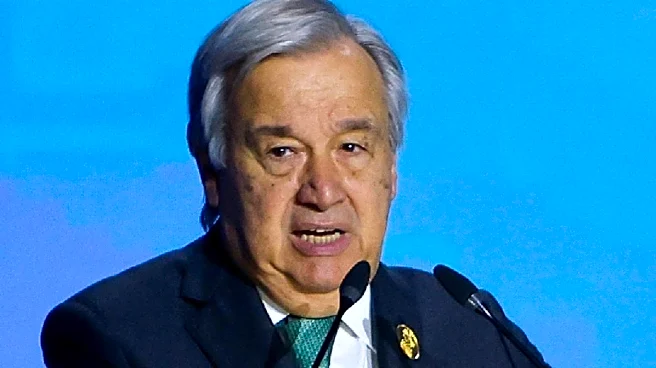
Amid sharply escalating tensions in West Asia, the United Nations has stepped up diplomatic efforts, with the UN Secretary-General’s personal envoy travelling to Tehran for consultations, raising hopes of a possible breakthrough.
Iran’s UN ambassador said the envoy is currently en route to Tehran, describing the visit as an active diplomatic initiative aimed at de-escalation.
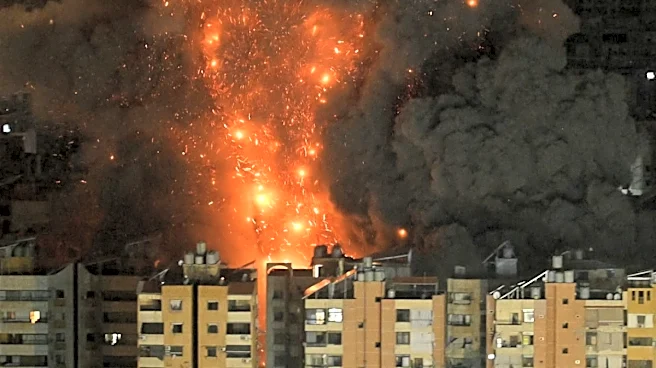
The move comes at a critical moment, as the regional conflict widened over the past few hours with Iran holding firm against an ultimatum issued by Donald Trump.
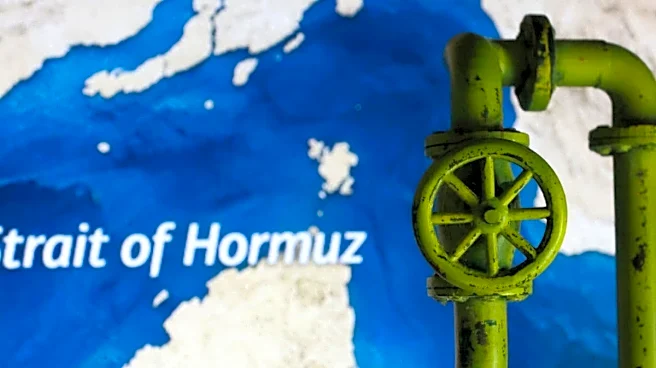
Trump on Tuesday issued one of his most severe warnings yet, threatening catastrophic consequences if Iran fails to meet his 8 pm ET deadline to accept a deal, agree to a ceasefire and reopen the Strait of Hormuz.
“A whole civilisation will die tonight, never to be brought back again. I don’t want that to happen, but it probably will,” Trump wrote on Truth Social, calling the deadline “one of the most important moments in the long and complex history of the world.”
Although Trump has previously extended deadlines, he indicated that the current ultimatum was final, pushing tensions on both sides to a boiling point and leaving many in Iran on edge.
Earlier, on March 21, Trump had warned that if Iran did not “fully open” the Strait of Hormuz within 48 hours, the United States would target Iranian infrastructure, including power plants.
Tehran responded defiantly, with Ali Mousavi, Iran’s permanent representative to the International Maritime Organization, stating that the strait remained open to all except Iran’s enemies.
Vance Says Iran Has ‘Two Pathways’
As the deadline approached, J D Vance outlined what he described as two possible paths for Iran. Speaking in Hungary and quoted by Fox News, Vance said the first option would see Iran integrate into the global system as a “normal country.”
Under that scenario, he said, Iran would stop funding terrorism, engage in international commerce and improve both its economic prospects and global security. “That’s option A,” Vance said, describing it as beneficial not only for Iran but for global peace and stability.
The alternative, Vance warned, would involve Iran refusing to engage in talks and continuing policies that, according to Washington, destabilise the region.
“Option B is that the Iranians don’t come to the table and stay committed to terrorising their neighbours,” he said, adding that Iran’s already fragile economy would likely deteriorate further.
With diplomacy and threats unfolding in parallel, the UN envoy’s visit to Tehran is now being closely watched as a potential opening to defuse a crisis that has brought the region to the brink.
/images/ppid_a911dc6a-image-177557646688152128.webp)

/images/ppid_59c68470-image-177558509783844672.webp)

/images/ppid_59c68470-image-177558003445838883.webp)
/images/ppid_a911dc6a-image-177555982415982477.webp)
/images/ppid_59c68470-image-177546252996877041.webp)