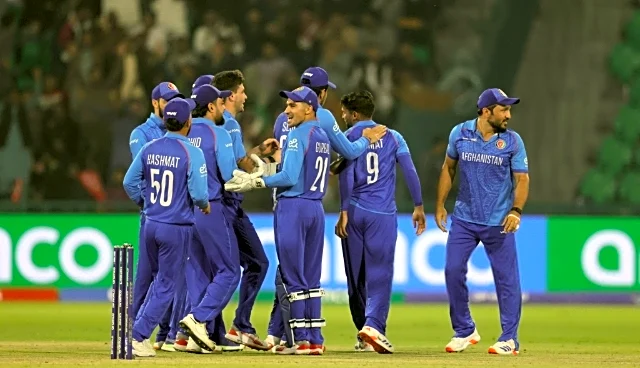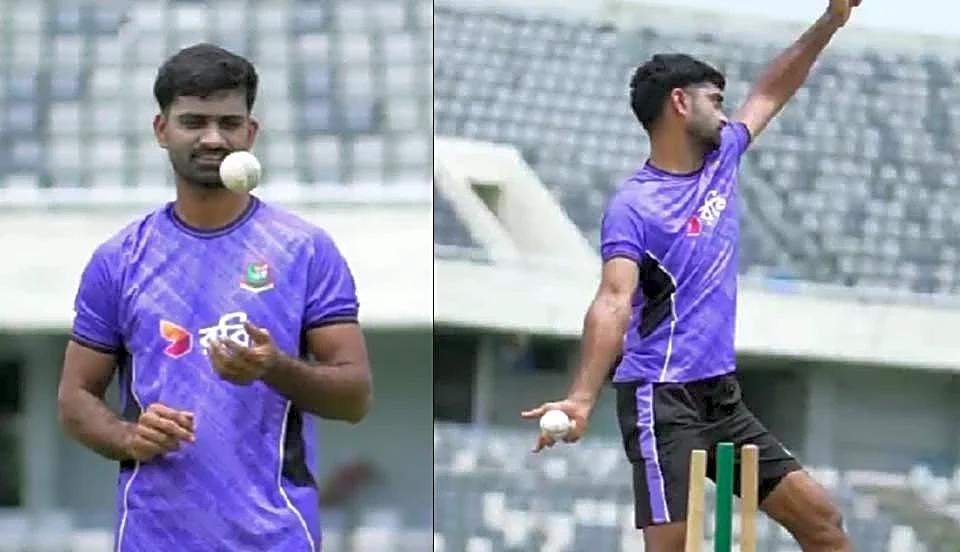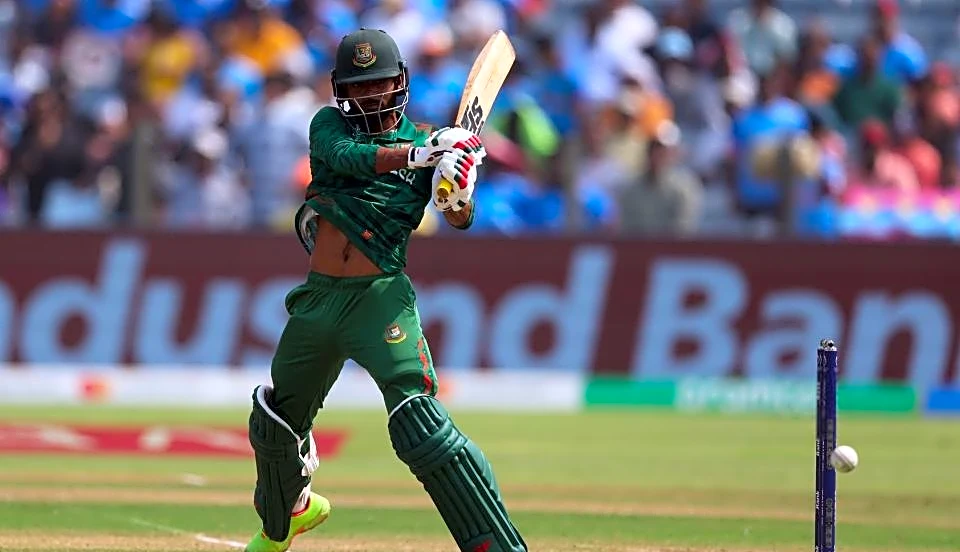




International Cricket Council (ICC) match officials for Wednesday’s ODI match between Bangladesh and Afghanistan have reported Tigers’ spinner Aliss Al Islam for a ‘suspect’ bowling action. This was the 29-year-old spinner’s ODI debut and saw him concede 47 runs in 8.3 overs. It came 18 days after he played his maiden T20I for Bangladesh against Sri Lanka during the 2026 Asian Games.
“After their loss against Afghanistan, the match officials’ report had cited concerns about the legality of Aliss’ bowling action. The off-spinner will undergo an Independent Assessment of his bowling action at an ICC Accredited Testing Centre in accordance with the ICC Illegal Bowling Action Regulations,” the ICC said in a statement, without explaining further.
Islam is considered a mystery spinner in Bangladesh, known for his carrom ball that turns the other way. He was the highest wicket-taker in the Dhaka Premier League 2026 with 24 scalps in just ten matches. His action and run-up are eerily similar to Sunil Narine, who underwent investigations for illegal action for years.
What is an illegal bowling action?
The ICC describes an illegal bowling action as occurring when a bowler ‘throws’ the ball rather than delivering it legitimately. Under ICC regulations, an action is deemed illegal if the bowler’s elbow extends by more than 15 degrees between the arm reaching the horizontal and the ball’s release.
Match officials use visual observation and their cricketing experience to identify suspected illegal actions and report the bowler for further assessment.
The bowler is then tested at an ICC-accredited centre, where experts use advanced technology to analyse their action. If the assessment confirms an illegal action, the bowler is suspended from bowling in international cricket until they modify their action and pass a subsequent test.