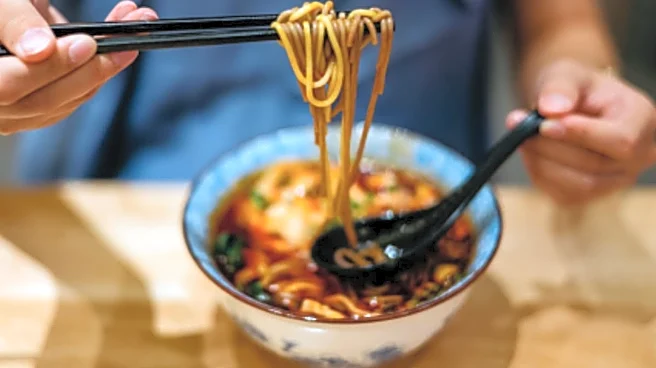

Indians love their ‘Indo-Chinese’ food. The spicy Schezwan chutney, the piping hot manchow soup, Chicken 65, and gobi manchurian are just a few of the classic dishes almost all generations of Indians have
grown up eating. These dishes have become so popular that they’ve even found favourites in the West, beyond the migrant Indian communities.
With the inclusion of Pan-Asian food like ramen, baos, sushi, and more, the Indian palate for South Asian food is expanding, while their food is also being adapted to Indian standards as well.
Nowadays, Pan-Asian food in India has travelled beyond the bowl of slurpy noodles and sushi, though. Today, diners are more curious about new dishes and ingredients, better informed about traditional dishes, and open to having flavour-forward and authentic experiences.
We speak to Chef Tenzin Khetsok, from YAZU Goa, on how pan Asian food is changing the food map of India:
Flavour-forward dining
Earlier, Pan-Asian food in India was tweaked to suit local preferences. No longer. Today, diners are comfortable with stronger flavours and textures. Complex taste notes are now accepted, even enjoyed widely, from fermented notes, umami-rich sauces, and sharper seasoning. Ingredients like gochujang, miso, fish sauce, and chilli oils have found a bigger audience, opening the canvas for traditional dishes.
Pan-Asian Is A Culture
There is a clearer understanding that Pan-Asian is not a single cuisine. Japanese, Korean, Thai, Vietnamese, and Chinese flavours are being treated more distinctly. Dining outlets are paying closer attention to regional nuances, focusing on authentic flavour, even while adapting to the local palate.
Fresh Ingredients Over Complexity
There is a growing inclination to cleaner cooking. Diners are paying attention to freshness, especially when it comes to seafood, vegetables, and rice. Simple dishes that rely on good ingredients and proper technique are being preferred over overworked plates. This has pushed kitchens to source better and cook more thoughtfully.
Pan-Asian Food Is Becoming More Social
Sharing-style dining has become important. Small plates, dim sums, sushi rolls, and grills are designed to be ordered together and enjoyed as a group. This fits well with how people like to eat today, especially in relaxed settings like beach destinations and casual premium restaurants.
Locale Shaping Menus
What works in a business district may not work in a coastal destination. In places like Goa, for example, menus lean towards lighter flavours, fresh seafood, and dishes that pair well with drinks and long meals.



/images/ppid_a911dc6a-image-177104554006886045.webp)






/images/ppid_59c68470-image-177104502841632289.webp)

/images/ppid_a911dc6a-image-17710448296527978.webp)
/images/ppid_a911dc6a-image-177104482828655023.webp)