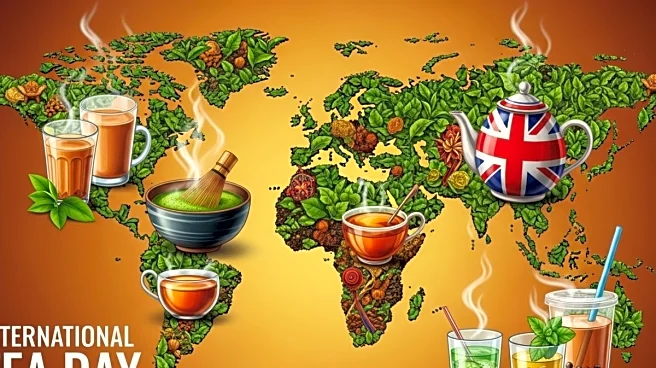

International Tea Day 2025: As tea is the second most consumed beverage in the world, tea lovers may be pleased to know that there is a special day dedicated to celebrating it. This day honours tea’s rich
history, its cultural and economic significance, and its vital role in supporting rural livelihoods across the globe.
In India, chai is more than just a beverage; it is an essential part of daily life and social connection. Similarly, Japanese tea ceremonies highlight values of harmony and respect, while the British tradition of afternoon tea is steeped in cultural heritage.
On International Tea Day, let’s explore the history, significance, memorable quotes, and tea traditions from around the world.
International Tea Day: History
There are two dates associated with celebrating tea globally. December 15 was the original International Tea Day, first promoted in 2005 through discussions at the World Social Forum, and first observed in New Delhi, India.
The aim was to highlight the working conditions and livelihoods of tea workers and small growers. Countries such as Sri Lanka, Nepal, and Kenya later adopted the observance.
In 2019, the United Nations General Assembly officially designated May 21 as International Tea Day, with the first UN-recognised celebration taking place in 2020. Since then, May 21 has been observed as the official International Tea Day worldwide.
International Tea Day 2025: Significance
Tea has been a part of cultural traditions, social rituals, and hospitality in many parts of the world. Beyond being a beloved beverage, it also serves as a vital source of income for millions living in tea-growing communities.
The day reminds us of the importance of sustainable tea cultivation while advocating for the welfare of tea workers worldwide. It also raises awareness about tea’s health benefits, as green and herbal teas are rich in antioxidants that support overall well-being.
International Tea Day 2025: Quotes
- “Some individuals will claim that a cup of tea has a lot of poetry and lovely feeling.” – Ralph Waldo Emerson.
- “The music of tea is the melody that soothes me.” –Morgan Christiansen
- “The path to heaven passes through a teapot.” – Ancient Proverb
- “Tea is the magic key to the vault where my brain is kept.” – Frances Hardinge
- “There is hope when there is tea.” – Arthur Wing Pinero
7 Unique Tea Traditions From Around the World
- China: Tea has a history stretching back nearly 5,000 years to China. It is said that the then Chinese Emperor Shen Nung had discovered the beverage. For this reason, tea plays a crucial role in their culture. In China, one of the most popular methods for making tea is called ‘Gongfu cha’, which means ‘making tea with skill’.
- Taiwan: Bubble tea is one of the most loved beverages around the world, but do you know it was invented in Taiwan in the 1980s? Bubble tea, also known as “Boba tea”, is made from a combination of tea, milk, fruit juice and tapioca balls.
- Argentina: Yerba Mate is a popular, high-caffeine herbal tea that originated in Argentina. Known for its strong, earthy, and slightly bitter flavour, it is prepared by steeping dried leaves in hot water and is traditionally enjoyed from a gourd with a metal straw called a bombilla.
- United Kingdom: The British have a never-ending love for tea. A blend of black tea served with milk and sugar is the staple in their classic English breakfast. While everyone agrees that milk is essential for the perfect cuppa, one debate still divides the nation: milk first or tea first?
- Morocco: In Morocco, one of the most popular drinks is mint tea, which is prepared by steeping green tea with mint leaves.
- Japan: Japan’s famous matcha green tea has gained huge popularity in recent years. It is prepared by whisking finely powdered tea leaves into hot water, meaning you actually consume the tea itself, giving matcha its strong flavour.
- Turkey: Turkey is one of the world’s leading tea producers and among the highest in per-capita tea consumption, contributing roughly 3–5% of global tea production. Tea is the most widely consumed hot beverage in the country, and serving it is a cherished symbol of Turkish culture and hospitality.


/images/ppid_a911dc6a-image-177104554006886045.webp)








/images/ppid_59c68470-image-177104502841632289.webp)

/images/ppid_a911dc6a-image-17710448296527978.webp)
/images/ppid_a911dc6a-image-177104482828655023.webp)
/images/ppid_a911dc6a-image-177104464363699291.webp)