


The ICC has asked Pakistan for an explanation on how the ‘Force Majeure’ clause can justify their refusal to play the T20 World Cup match against India after the PCB attributed the decision to government orders. The ICC wants the Pakistan Cricket Board to explain why they pulled out of only one match while participating in the rest of the tournament under government instructions.
Recently, the PCB officially informed the ICC of its intent to invoke the ‘Force Majeure’ clause, citing a government tweet that banned the team from the February 15 match in Colombo as the reason. However, there is hope now as the PCB has approached the ICC for further discussions, according to an ICC Director.
Upon receiving the ICC’s formal communication, the PCB initiated
further dialogue. The ICC is currently engaging with the PCB to explore possible resolutions, emphasising that the interests of the game should take precedence over unilateral actions.
What Is ‘Force Majeure’?
Force Majeure is a contractual provision that excuses a party from fulfilling its obligations due to extraordinary events beyond its control, such as war, natural disasters, government actions, or public emergencies. For the clause to apply, the affected party must demonstrate that the event was unforeseeable, unavoidable, and that they took all reasonable steps to mitigate its impact. Mere inconvenience or political preference does not typically satisfy the requirements.
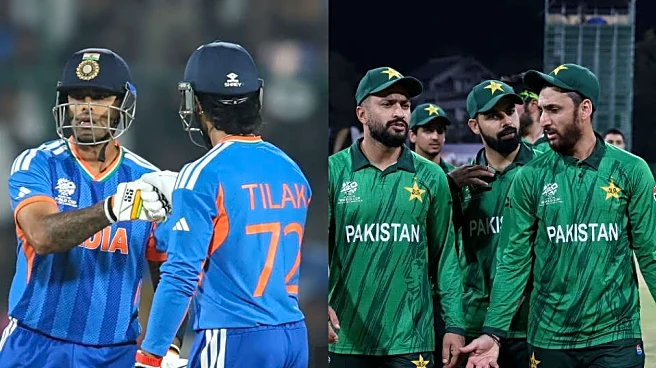
The Pakistan government announced that its team would boycott only the India fixture to support Bangladesh, who withdrew from playing in India due to security concerns. They would participate in the remaining matches.
ICC Stern On PCB
The ICC has sent a series of queries to the PCB, asking them to demonstrate what efforts were made to mitigate the situation, explore alternatives, or seek exemptions before opting for non-participation. The global body has outlined the conditions under which force majeure can be legitimately triggered, the evidence required for withdrawal from a scheduled match, and the wider sporting, commercial, and governance consequences of such a step. The ICC has also highlighted the potential damages it could claim if the invocation is found invalid.
In its response, the ICC pointed out that selective participation undermines the core premise of a global tournament and could expose the PCB to breach-of-contract claims as well as disciplinary action under ICC regulations.
According to ICC sources, the global body is following the same process it used with Bangladesh, which also underwent extensive deliberations over several days.
(With inputs from Agencies)


/images/ppid_a911dc6a-image-17710654257455666.webp)






/images/ppid_a911dc6a-image-177106302538573741.webp)