


![[WATCH] PSL 2026: Daryl Mitchell pulls out twice during Usman Tariq's bowling pause, umpire intervenes](https://glance-mob.glance-cdn.com/public/cardpress/binge-magazine-card-generation/spaces/IN/en/crictracker-spaces/images/ppid_49c02804-image-177584753061660127.webp)
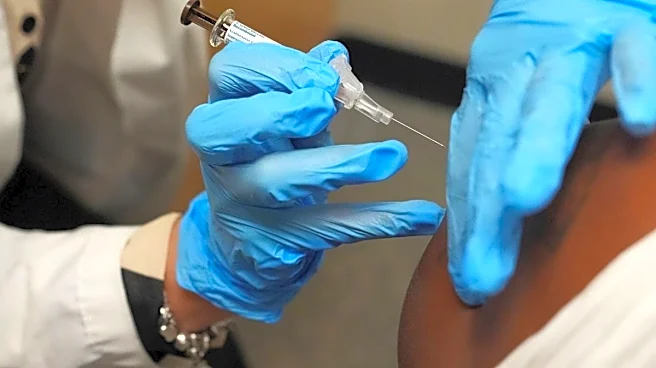
Think back to your vaccinations. For many adults, it was something that happened in school. You got a needle, a cotton swab, a sore arm for a day. Then nothing happened. No one called you. No reminders came. Life moved on. So did the idea that the job was done.
For some diseases, it was done. Not all of them.
As Dr. (Col) Vijay Dutta, Director, Internal Medicine & Respiratory Services, ISIC Multispecialty Hospital, Delhi explains, what most adults do not realise is that some of those shots were never meant to last forever. The protection they offered was real. But like many things our body holds on to, it can quietly fade over the years. Some vaccines that are now recommended simply did not exist or were not widely given when many of us were growing
up.
This is not cause for alarm. It is, however, a reason to ask a question most of us never think to ask our doctor: Am I still protected from these diseases?
Why this matters more as we get older
Children are vaccinated because their immune systems are still learning. Immunity is not something our body sets and forgets. It shifts across a lifetime. As we age, our immune response naturally changes, and certain infections that felt manageable in our twenties can become more serious in our fifties and beyond.
“Diseases like pneumonia, shingles, whooping cough, and hepatitis do not just affect the elderly or the unwell,” says Dr. (Col) Vijay Dutta. “They affect adults who assume they are covered because decades ago, they were.”
Add to this the way infections themselves have changed. As Dr. Vijay Dutta points out, new viruses emerge while older ones return in new forms. The disease landscape adults are navigating today looks very different from the one their childhood vaccines were designed for.
The gaps most people do not know they have
As Dr. Vijay Dutta highlights, these gaps are more common than people think:
Some vaccines wear off: Protection against diseases weakens over time and needs boosters to stay effective.
Some were never given: A number of vaccines now recommended for adults were not part of the childhood schedule a generation ago.
Some are age-specific: Certain vaccines become relevant in adulthood, particularly after 50 or when a health condition changes the body’s vulnerability.
Some depend on lifestyle: Travel, pregnancy, or managing a long-term condition like diabetes can each create gaps in protection.
What to actually do about it
According to Dr. (Col) Vijay Dutta, catching up does not mean starting from scratch. In many cases, it simply involves one conversation with a doctor and, depending on what is needed, one or two visits.
“The vaccines that often come up for adults who have not reviewed their status in years include protection against pneumococcal disease, shingles, tetanus, hepatitis B, and influenza,” says Dr Dutta. “Most people are genuinely surprised to learn these vaccines are available, safe, and relevant to them, because no one ever brought it up.”
Timing matters too. As Dr Dutta advises, some vaccines work best when given before infection seasons begin, while others are most valuable at specific life stages. The earlier the conversation happens, the more options are available.
An aware approach to staying protected
Dr. Vijay Dutta recommends a few simple steps:
Do not assume childhood vaccines cover everything for life. Many do not.
Ask your doctor about adult immunisation, not just during illness.
If you are over 50 or managing a condition, make this conversation a priority.
Encourage family members, especially ageing parents, to check their status too.
Feeling healthy is not the same as being protected.
As Dr. (Col) Vijay Dutta puts it, immunity is not a chapter we close in childhood. For many of the infections that matter most in adult life, it is something we return to, practically and without much fuss.
The shot you got at ten may have done its job beautifully. The question worth asking is whether it is still doing it today.
/images/ppid_a911dc6a-image-177585203280034000.webp)

/images/ppid_a911dc6a-image-177585207263091406.webp)


/images/ppid_a911dc6a-image-1775851028344445.webp)