
/images/ppid_a911dc6a-image-178150282237782928.webp)




India’s wellness conversation is increasingly centred around two nutrients: protein and fibre. Protein is being added to everything from shakes and bars to snacks and meal plans, while fibre is finally gaining recognition for its role in digestive health and overall wellbeing.
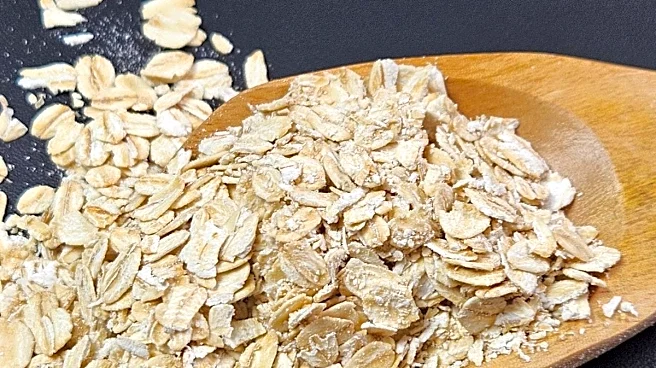
In this growing debate around protein versus fibre, many consumers are left wondering: should breakfast focus on protein or fibre? Dr Manjari Chandra, Leading Nutrition & Health Expert, believes the answer is neither. A balanced breakfast should ideally include both. This is what makes oats particularly relevant today. Oats naturally contain both protein and fibre, bringing together two of the most sought-after nutritional benefits in a single, familiar ingredient.
Yet despite
this, breakfast choices have become more complicated than ever. From high-protein diets and gut-health trends to calorie tracking and functional foods, consumers are navigating a constant stream of nutrition advice. Dr Chandra points out that while greater awareness is encouraging, the sheer volume of health information can make everyday food decisions feel overwhelming.
Quaker, the world’s No. 1 oats brand, for example, is helping make nutritional choices easier to decode by bringing key nutrition benefits, such as 12g of natural protein and 33% fibre, more clearly to the forefront. Rather than encouraging consumers to choose between nutrients, the focus is on helping them recognise how a simple breakfast ingredient can contribute to a more balanced start to the day.
Consumers Want Health, But Not Complexity
According to a Mintel report, 30% of Indian adults aged 18 and above agree that with so many options available, choosing the right food and drink with added health benefits can be challenging. At the same time, health-led decision-making is becoming mainstream, with high-protein and high-fibre claims emerging as important purchase drivers. Mintel further notes that 44% of Indian consumers consider high protein content a key factor when choosing one health-positioned product over another.
For Dr Chandra, this points to an important shift: consumers are rejecting confusion. They want food choices that are easier to understand, trust and incorporate into their daily routine. That is why familiar, simple ingredients are becoming relevant again. Instead of chasing new food trends every few weeks, many people are returning to foods that can help meet multiple nutritional needs at once.
Protein Matters, But So Does Fibre
Protein has become a major part of mainstream nutrition conversations, and rightly so. According to Dr Chandra, it plays an important role in supporting daily nutritional requirements and helping create more balanced meals. However, she believes fibre deserves equal attention, particularly because it supports digestive health, promotes satiety and contributes to overall dietary balance.
The challenge is that fibre is not discussed with the same enthusiasm as protein. It is less glamorous, less trend-driven and often less visible in everyday food conversations. But that does not make it any less important.
As Dr Chandra explains, a balanced breakfast should not be built around one nutrient alone. Looking at nutrition through an “either-or” lens often creates more confusion than clarity. Instead, breakfast should be practical, repeatable and capable of supporting the body through the morning. This is where foods such as oats, which naturally provide both protein and fibre, can help simplify the decision.
Why Oats Fit into This Conversation
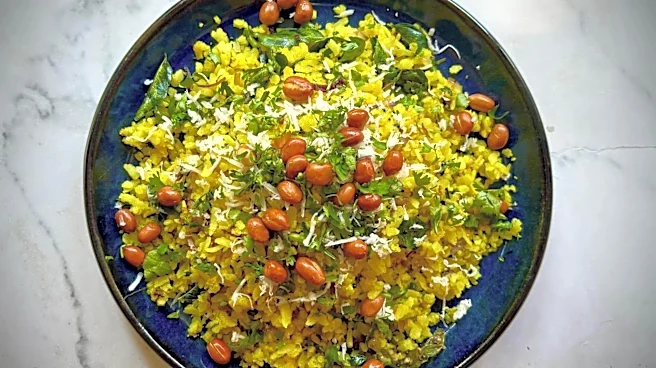
Oats are a simple example of a familiar food that naturally brings protein and fibre together. They are also versatile enough to fit into Indian eating habits. They can be enjoyed as a classic bowl of oats or incorporated into recipes such as chilla, dosa, upma, smoothies and savoury breakfast bowls.
This matters because sustainable nutrition is not built on extreme changes. Most people are more likely to stick to food choices that feel familiar and easy to incorporate into their routine.
According to Dr Chandra, oats possess a uniquely dense nutritional profile. Compared to many commonly consumed Indian cereal staples, they offer relatively higher protein content, a superior essential amino acid composition and appreciable levels of β-glucan-rich soluble fibre. These qualities position oats as a functionally advantageous cereal capable of addressing the dual gaps of low protein and low fibre often observed in Indian diets.
She adds that integrating oats into existing cereal-based dietary patterns offers a practical, evidence-based approach to improving overall dietary quality without requiring drastic changes to food culture or eating habits.
The Simpler Way to Look at Breakfast
In today’s crowded wellness landscape, it is easy to feel as though breakfast needs to be highly planned, measured or trend-led to be nutritious. But often, the more sustainable answer is much simpler.
Instead of asking whether breakfast should focus on protein or fibre, Dr Chandra encourages people to look for foods that naturally bring both nutrients to the table. That is where familiar ingredients like oats can play a useful role.
As she explains, the future of everyday nutrition may not lie in adding more complexity, but in making healthier choices easier to understand, easier to adopt and easier to sustain.



/images/ppid_a911dc6a-image-178150563052333019.webp)







/images/ppid_a911dc6a-image-17815048260898671.webp)