
/images/ppid_a911dc6a-image-177815406543422853.webp)

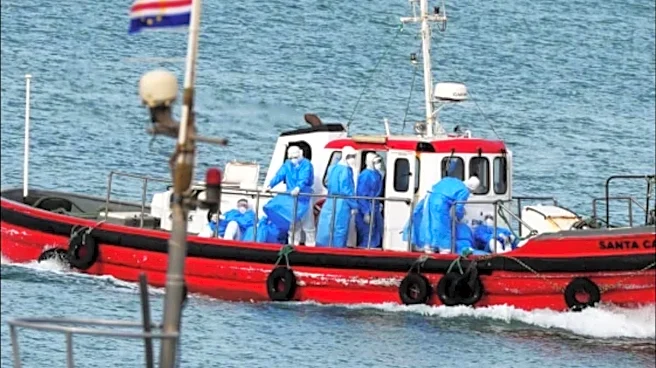
The Dutch-flagged MV Hondius, operated by Oceanwide Expeditions, departed from Ushuaia, Argentina, on 1 April 2026 for a weeks-long polar cruise across the South Atlantic. Symptoms first appeared around 6 April, with passengers reporting gastrointestinal and respiratory issues. By early May, the situation escalated.
According to reports and the World Health Organization (WHO), the ship carried 147 passengers and crew from multiple countries. As of early May 2026, eight people fell ill, resulting in three deaths – including a Dutch couple and a German national. Laboratory confirmation has identified the Andes strain of hantavirus in several cases, with six confirmed infections reported in updates. Several passengers have been medically evacuated,
including to facilities in South Africa and the Netherlands, while others remain under observation. The vessel is en route to Spain’s Canary Islands, where passengers will disembark and return home.
Cruise holidays which are usually sold as escape fantasies — endless ocean views, curated luxury, crowded buffets and the comforting idea of leaving everyday anxieties behind. But recent headlines surrounding hantavirus cases linked to a cruise ship outbreak have unsettled many travellers, raising a question that feels increasingly familiar in a post-pandemic world: how safe is travel when a rare virus suddenly enters the conversation?
What Is Hantavirus and How Does It Spread?
Hantaviruses are a family of rodent-borne viruses that can cause severe illness. Humans typically become infected through contact with the urine, faeces, or saliva of infected rodents, or by disturbing contaminated surfaces – often during cleaning in infested areas or outdoor activities in rural environments like forests, fields, or farms.
Most routine tourism carries little risk, according to the WHO. However, the shipboard outbreak has raised questions about potential onboard transmission, possibly linked to the Andes variant. Symptoms generally appear between one to eight weeks after exposure, commonly two to four weeks. Initial signs include headache, dizziness, chills, fever, muscle aches (myalgia), and gastrointestinal problems such as nausea, vomiting, diarrhoea, and abdominal pain. In severe cases, this can progress to sudden respiratory distress and low blood pressure.
There is no specific treatment or vaccine. Supportive care, including intensive care where needed, can improve outcomes. Fatality rates vary: lower in parts of Asia and Europe, but up to 50% in the Americas for certain strains if not managed promptly.
How Might This Affect Your Travel Plans?
For most travellers, the risk remains low. The WHO and experts stress that this is not indicative of a pandemic or widespread threat to general tourism. Hantavirus infections are rare and predominantly tied to specific rodent exposure rather than casual travel.
That said, if you have a cruise booked – especially to remote or polar regions – it pays to be proactive:
Enquire about protocols: Ask operators about health measures and compliance with programmes like the CDC’s Vessel Sanitation Program.
Monitor symptoms: Those returning from affected areas or similar itineraries should watch for signs for up to 45 days and seek medical advice promptly if they appear.
Practical precautions: In any destination, avoid rodent-prone areas, keep spaces clean to deter pests, and steer clear of dusty spots like attics or sheds in rural accommodations.
Insurance is key: Comprehensive travel insurance can cover cancellations or medical eventualities linked to such outbreaks.
Outdoor activities: In known endemic areas, take extra care during hiking, camping, or farm visits.
Passengers on the Hondius have been advised to remain vigilant, and global agencies are coordinating responses. Early intervention has been crucial in managing the situation.
Is It Safe To Travel?
Travel has always involved navigating health uncertainties, whether seasonal flu on planes or regional outbreaks. This hantavirus incident is serious for those directly affected, but it does not signal that cruising or international travel is broadly unsafe. The vast majority of journeys proceed without issue.
At present, health experts are not calling for widespread travel restrictions linked to hantavirus. Most cases remain isolated, and the virus is not considered highly transmissible in the same way as airborne respiratory viruses like Covid-19 or influenza.
However, travellers are being encouraged to remain cautious rather than fearful. Good hygiene practices, awareness of symptoms and attention to official health advisories remain important, particularly when travelling to remote regions or environments where rodent exposure may be possible.
For now, experts say panic is unnecessary. But informed caution, especially in shared travel environments, has quietly become part of modern travel itself. As updates continue to emerge from the MV Hondius and contact tracing efforts, staying informed through reputable sources is your best defence. Safe travels!


/images/ppid_a911dc6a-image-177821003249367978.webp)

/images/ppid_59c68470-image-177820512189361916.webp)


/images/ppid_59c68470-image-177822256212341788.webp)
/images/ppid_59c68470-image-177815506000998685.webp)
/images/ppid_a911dc6a-image-177812322923178262.webp)
/images/ppid_59c68470-image-177829503461918533.webp)