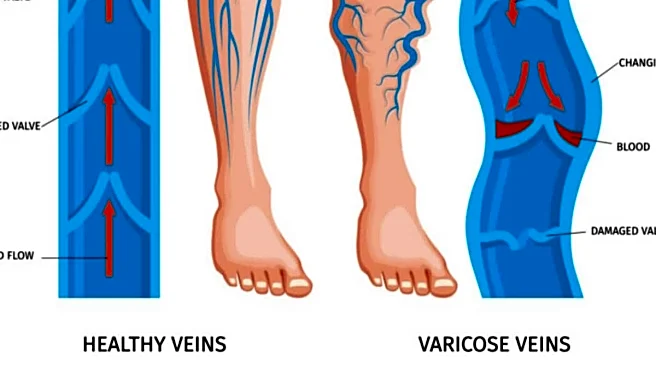




Varicose veins are far more common than most people realize, yet they remain shrouded in unnecessary fear and misconceptions. While these enlarged, twisted veins predominantly affect women, men experience them too, though often less visibly. The post-pandemic era has witnessed a surge in patients seeking treatment, but not always for the right reasons.
Dr. Himanshu Verma, Director, Vascular Surgery, Fortis Gurgaon shares all you need to know:
The Awareness Gap Despite their prevalence, many people remain unaware of varicose veins until someone points them out during a massage or routine examination. This sudden discovery often triggers alarm, with patients rushing to hospitals and vascular surgeons, worried about imminent complications. The fear
that these innocent veins will rapidly progress into dangerous blood clots or rupture creates an urgency that may not be medically justified.
A Physician’s Responsibility
As vascular surgeons, our primary duty extends beyond treatment to proper patient education. It’s crucial to dispel the myth that every varicose vein represents a medical emergency requiring immediate intervention. Many patients have lived with these veins for years without complications, and the timeline for treatment should be driven by symptoms and quality of life, not panic.
The Diagnostic Challenge
One of the most critical aspects of varicose vein management is accurate diagnosis. Not every leg pain or discomfort stems from varicose veins. Symptoms patients attribute to their visible veins may actually arise from completely different conditions such as radiculopathy, knee joint problems, or even plantar fasciitis. A thorough clinical evaluation is essential to establish whether the patient’s complaints genuinely correlate with their varicose veins.
This diagnostic precision prevents unnecessary procedures and ensures that underlying conditions receive appropriate attention. Treating varicose veins won’t resolve pain originating from spinal nerve compression or foot inflammation.
When Treatment Makes Sense
Once we’ve carefully selected patients whose symptoms truly stem from varicose veins, treatment options should be presented without urgency. Just because veins have been present for years doesn’t mandate immediate surgery. Patients deserve the opportunity to make informed, elective decisions about their care.
Modern treatment has evolved dramatically. Today’s options include laser therapy and venous seal procedures that are minimally invasive, performed as day-care surgeries, and require minimal recovery time. The fear surrounding varicose vein surgery often stems from outdated perceptions of traditional surgical stripping, which bears little resemblance to contemporary techniques.
A Quality of Life Decision
Ultimately, varicose vein treatment is about enhancing quality of life. If enlarged veins cause genuine discomfort, heaviness, swelling, or cosmetic concerns that affect a patient’s confidence and daily activities, treatment can provide significant relief. However, if veins are asymptomatic, watchful waiting remains a perfectly acceptable approach.
The key message for patients is simple: don’t let fear drive your decisions. Varicose veins are common, usually benign, and when treatment is needed, it’s safer and simpler than ever before. Seek proper evaluation, ensure your symptoms truly relate to your veins, and make treatment decisions based on how they affect your life, not unfounded anxiety about catastrophic complications.


/images/ppid_a911dc6a-image-177107062796921011.webp)




/images/ppid_a911dc6a-image-17710700586131340.webp)


/images/ppid_a911dc6a-image-177107002875928030.webp)
/images/ppid_a911dc6a-image-177107008754197673.webp)