
/images/ppid_59c68470-image-177876509788494134.webp)
/images/ppid_59c68470-image-17787450354865433.webp)
/images/ppid_a911dc6a-image-177875362935251515.webp)
The world could be heading towards one of its most serious energy crises in decades, with Asian economies likely to be among the hardest hit.
The warning is no longer coming only from oil traders or shipping analysts. Singapore Prime Minister Lawrence Wong has openly cautioned that the prolonged closure of the Strait of Hormuz could trigger fuel shortages, rising inflation, recession risks and even a return of the “stagflation” that battered economies during the 1970s oil shocks.
“The Strait of Hormuz has been closed for more than two months. The impact is being felt not just in higher prices but also in tightening supply,” Wong said while addressing the ongoing Gulf crisis. “And here in Asia, we are especially affected because of our high dependence
on energy and other critical supplies from the Gulf,” he added.
We are facing this crisis from a position of strength. The Government will stand with Singaporeans every step of the way. pic.twitter.com/6sNLIkkYCz
— Lawrence Wong (@LawrenceWongST) May 2, 2026
Wong also warned about the possible return of stagflation — a period marked by high inflation and weak economic growth. “Older Singaporeans may remember the oil shocks of the 1970s. It was during that period that the world experienced stagflation in a major way,” he said.
He added that the International Energy Agency had cautioned that the current crisis could become even more severe than the oil shocks of the 1970s. “So we must brace ourselves and be prepared for a more difficult period ahead,” Wong said.
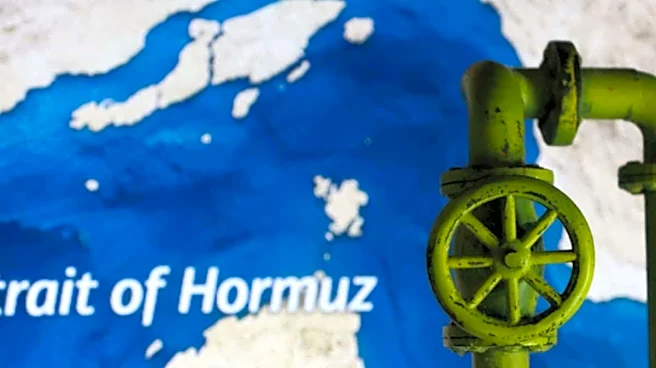
The concern is significant because the Strait of Hormuz, the narrow maritime chokepoint between Iran and the Gulf states, normally carries about one-fifth of the world’s oil supplies. More than 80 per cent of the oil and gas moving through the Strait heads towards Asia.
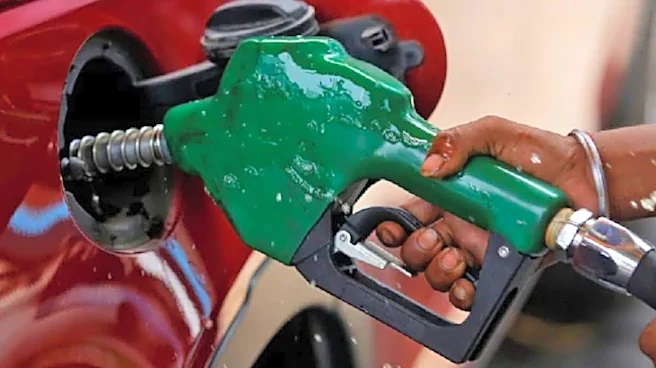
As crude prices surged nearly 50 per cent over the past two months, countries across Asia have already started feeling the effects through higher transport costs, fuel shortages, flight disruptions and rising inflation.
As the global energy shock deepens, India has also started feeling the pressure. Prime Minister Narendra Modi this week urged Indians to reduce fuel consumption, postpone unnecessary foreign travel, delay gold purchases and adopt work-from-home practices where possible to reduce economic strain.
But why is the current situation being compared with the 1970s oil crisis? And could this shock actually become worse?
What Was The 1970s Oil Crisis?
The world faced two major oil shocks during the 1970s, both of which reshaped the global economy for years.
The first began in October 1973 during the Yom Kippur War, when Arab oil-producing nations imposed an embargo on countries led by the United States because of their support for Israel. Oil producers simultaneously cut production, creating a severe supply crunch.
Economist Dr Carol Nakhle told the BBC that the result was a “near quadrupling of oil prices within a few months”.
The shock rippled across the world economy. Fuel rationing became common in major economies. Inflation surged sharply as transport, manufacturing, electricity and food costs rose together. Businesses cut spending, unemployment increased, and several economies slipped into recession.
The United States and the United Kingdom both entered recessions between 1973 and 1975. In Britain, the economic turmoil contributed to the collapse of Prime Minister Ted Heath’s Conservative government in 1974.
A second oil shock followed in 1979 after the Iranian Revolution disrupted supplies again. The long-term impact of the crisis turned out to be even bigger than policymakers initially expected.
According to a Bloomberg analysis, Western governments initially assumed oil demand would continue rising steadily through the 1980s despite the shocks. But the sharp increase in prices forced countries to rapidly change how they produced and consumed energy.
Europe underwent a major transformation. France dramatically expanded nuclear energy. Britain shifted households towards North Sea gas. Germany built controversial gas links with the Soviet Union. The result was a structural shift away from oil.
By the mid-1980s, Europe’s gas consumption had more than doubled compared to 1973 levels, while oil consumption fell 20 per cent. Crude imports dropped by 30 per cent and ended up far below earlier forecasts made by the OECD.
How Serious Is The Current Oil Crisis?
The current crisis centres around the Strait of Hormuz, one of the world’s most strategically important energy corridors.
Since the US-Israeli war with Iran intensified two months ago, shipping traffic through the Strait has been severely disrupted. Oil, gas and other supplies leaving Gulf exporters have slowed sharply, affecting countries heavily dependent on imports.
Shipping expert Lars Jensen told the BBC that the current disruption could become “substantially larger” than the economic chaos seen in the 1970s.
Fatih Birol, director of the International Energy Agency, had earlier warned that the world is “facing the greatest global energy security threat in history”.
According to Jensen, the world has so far only been seeing delayed effects because oil shipments that had already left the Gulf before the disruption are still reaching global refineries. That buffer is now running out.
“So the oil shortages we’ve been seeing, they’re only going to get worse, even if magically the Strait of Hormuz would re-open tomorrow,” he said. “We will face massive energy costs, not just while this crisis goes on but also for six to 12 months after it’s over.”
The economic impact is already visible across Asia.
In South Korea, inflation partly linked to rising energy import costs has pushed the average price of kalguksu noodle soup above 10,000 won for the first time. In Japan, ramen prices are nearing the psychologically significant 1,000-yen mark.
Travel has been hit particularly hard. Bloomberg reported that jet fuel prices in Singapore have doubled to record highs. Airlines in Southeast Asia have reduced May schedules by 10 to 15 per cent.
Thai Airways cancelled two-thirds of its daily Bangkok-Seoul flights, while Cathay Pacific introduced a $200 surcharge on long-haul tickets, adding roughly $800 to the price of a return journey between Australia and Europe.
Several governments have started taking emergency measures.
Pakistan, Sri Lanka and the Philippines have introduced four-day work weeks to reduce fuel consumption. Pakistan has also cut electricity supply during peak hours after LNG supplies from Qatar fell sharply.
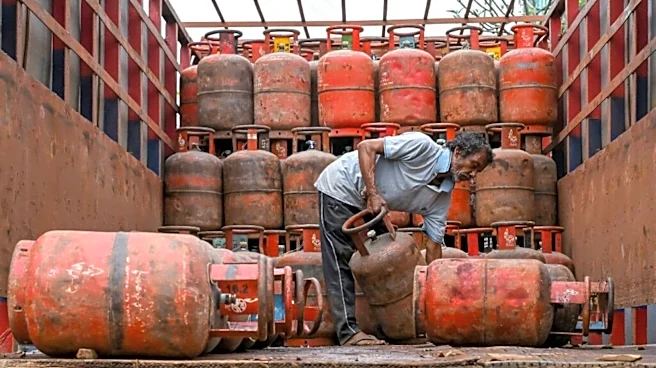
In India, shortages of LPG cylinders have triggered long queues and rising demand for electric induction stoves, while the broader energy shock has also pushed up fuel prices. Petrol prices on Friday were raised by Rs 3.14 per litre and diesel by Rs 3.11, while CNG prices increased by Rs 2. LPG consumption in India fell 13 per cent in March compared to a year earlier.
The broader fear is that inflation may now spread beyond fuel into food, fertilisers, transport and other essential sectors.
Could The Current Crisis Become Worse Than The 1970s Oil Shock?
Economists remain divided on that question. Some argue the global economy today is more resilient than it was in the 1970s.
Economist Dr Carol Nakhle told the BBC that while current disruptions are among the largest in recent history, markets today are “more diversified, less oil-intensive, and better equipped with buffers and emergency response mechanisms”.
But others believe the sheer scale of the disruption could make the present crisis even more dangerous.
Alicia Garcia Herrero, chief economist for Asia Pacific at Natixis CIB, noted that the 1970s oil shocks disrupted roughly 5 to 7 per cent of global oil supplies. In contrast, the current Strait of Hormuz crisis affects routes carrying nearly 20 per cent of the world’s oil.
“That dwarfs the 1970s shock,” she told BBC. “The fallout of this is that we could experience sharper price spikes, broader inflation pain, and deeper recession risks, especially in import-heavy Asia.”
At the same time, the crisis may accelerate a major energy transition across Asia, much like the 1970s shocks transformed Europe.
Bloomberg reported that electric vehicle sales are already surging across the region. Chinese EV brands accounted for about two-thirds of bookings at the Bangkok International Motor Show in April. Battery-only vehicles now account for roughly half of recent vehicle sales in Singapore and Thailand, and around a third in China, Indonesia, South Korea and Vietnam.
Solar energy adoption is also accelerating rapidly. In the Philippines, imports of Chinese solar panels during March alone were reportedly enough to increase the country’s total solar capacity by half compared to the end of 2025.
The broader pattern resembles what happened in Europe after the 1970s shocks: when fossil fuel prices remain unstable for long enough, consumers and governments begin shifting permanently towards alternatives. That may ultimately become the defining legacy of the current crisis too.
/images/ppid_59c68470-image-177900754363747336.webp)

/images/ppid_a911dc6a-image-177892528977214318.webp)

/images/ppid_a911dc6a-image-177881869827450930.webp)


/images/ppid_59c68470-image-177873516754756331.webp)