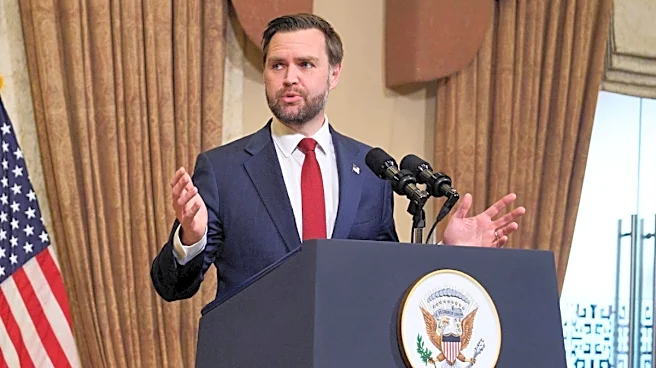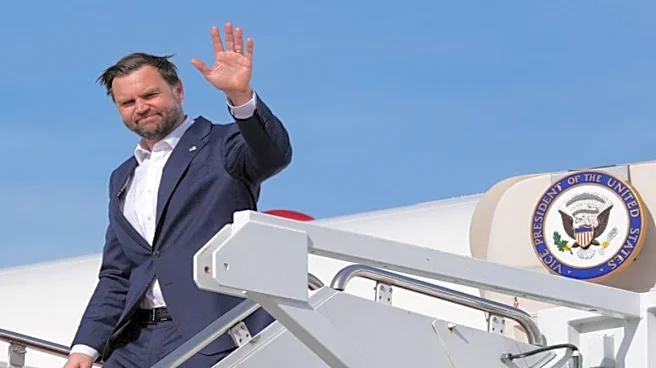

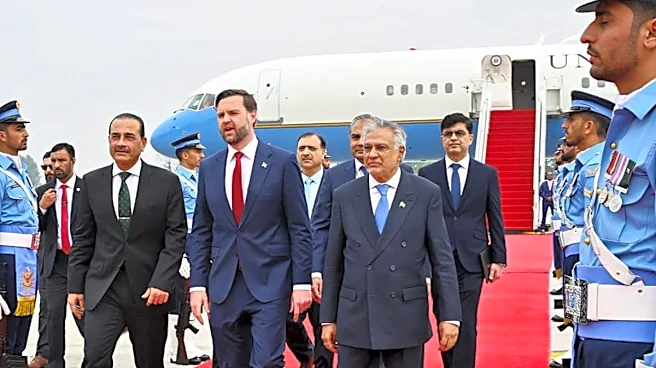


After 21 hours in Pakistan, including more than 16 hours of closed-door talks that ran into early Sunday morning, US Vice President JD Vance appeared before the press in Islamabad looking visibly tired. He spoke of “shortcomings” and “bad news”, confirming that the United States and Iran had failed to reach any agreement.
Following nearly 21 hours of negotiations, Vance offered few details. He took only a handful of questions and left without clarifying whether the fragile two-week ceasefire would hold, what would happen to the Strait of Hormuz, or whether Donald Trump would act on his earlier threats.
High stakes, no result
The outcome marked a striking end to a critical diplomatic effort. Vance had been seen as a key figure who could help find a way out of a conflict
that has shaken the global economy, strained alliances and spread across the region.
Instead, he left without a deal. He blamed Iran for the deadlock, saying Washington had asked for a clear commitment that Tehran would not pursue nuclear weapons, which it refused.
The situation was notable given Vance’s position within Trump’s inner circle as one of the strongest voices against a full-scale war with Iran. Despite this, he was chosen to lead the most significant US-Iran talks in nearly five decades.
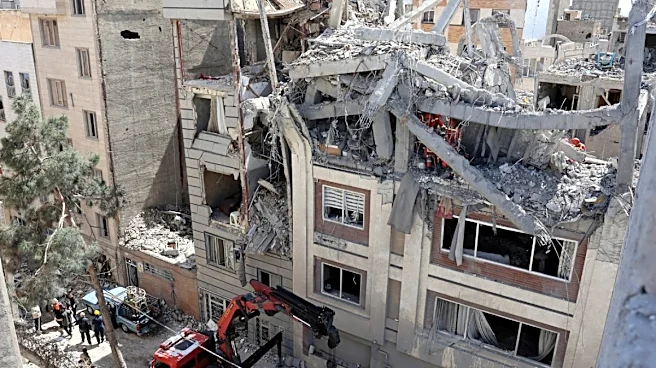
The conflict has already had serious consequences. The United States and Israel have carried out weeks of strikes across Iran, targeting military sites and infrastructure. According to reports, more than 13,000 targets have been hit, and over 1,700 civilians have been killed.
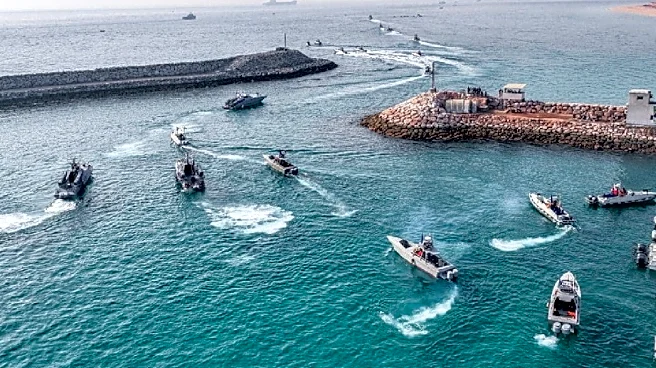
Iran has responded with attacks across the region, including on US bases, and has effectively shut down the Strait of Hormuz, a key route for global energy supplies.
The crisis has disrupted the world economy and raised concerns over energy security.
Trump faces difficult choices
Following the failed talks, Trump now faces a difficult decision – return to negotiations or resume military action. Each option carries major risks.
On Sunday, he signalled his next move by announcing a naval blockade of the Strait of Hormuz, a step widely seen as an act of war.
A difficult start to negotiations
At the start of his visit, Vance had taken a cautious approach, saying the US would “extend the open hand” if Iran was willing to negotiate seriously.
However, disagreements emerged even before talks began. Iran warned it might refuse direct talks unless certain demands were met, including unfreezing overseas assets and expanding the ceasefire to include Lebanon.
The United States denied reports that it had agreed to these conditions, while Iranian media suggested confusion within the American team.
Secrecy and confusion in Islamabad
The talks were held under tight security in Islamabad. Details of Vance’s movements were kept secret, and no media were allowed inside the meeting rooms.
Even officials in Washington struggled to get updates as negotiations dragged on.
Pakistan, keen to present itself as a mediator, took extensive steps to manage the visit. Roads were cleared, security was increased, and signs promoting the “Islamabad Talks” were placed across the city.
Despite this, journalists covering the event had little information about what was happening behind closed doors.
Vance’s position on the war
Vance has consistently opposed a war with Iran. He has warned about the risks of regional instability, civilian casualties and the strain on US military resources.
His political stance has focused on avoiding such conflicts, a position that shaped his support for Trump in earlier years. However, the ongoing war has created tensions within Trump’s political base, with some conservative voices criticising the conflict.
The war has also complicated Vance’s political standing. Seen as a potential future presidential candidate, he now faces the challenge of balancing his anti-war views with his role in the administration.
Despite his personal reservations, he has publicly supported Trump’s approach.
Trump himself has taken a blunt stance, saying the US would “win” regardless of whether a deal is reached.
Negotiations without experienced diplomats
The American delegation included figures such as Steve Witkoff and Jared Kushner, who have backgrounds in business rather than traditional diplomacy.
They have previously been involved in other international efforts, with mixed results. In this case, earlier failed negotiations contributed to the current conflict. Iran’s control over the Strait of Hormuz has now given it greater leverage than before.
As talks collapsed, it became clear that neither side was willing to compromise. Both the United States and Iran appear to believe they hold the advantage.
The failure of the Islamabad talks leaves the future uncertain. With tensions still high and no agreement in place, the possibility of further negotiations remains unclear.
For now, after long hours of discussions, there has been no progress towards a lasting peace.