
/images/ppid_59c68470-image-177969003935280634.webp)
/images/ppid_59c68470-image-177969013416348629.webp)

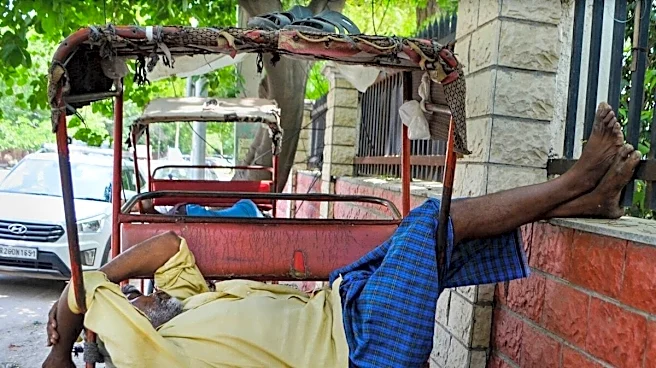
At least 16 people have died in Telangana due to suspected heat-related illness as soaring temperatures and severe heatwave conditions continue to grip the state, according to state officials. The Telangana government has announced Rs 4 lakh ex gratia for the families of the deceased, while authorities remain on high alert as temperatures stay dangerously high.
It is a grim reminder of something many people underestimate every summer: heat can kill. And it often does so quietly—through dehydration, exhaustion, or heatstroke—before people realise the danger.
As much of India faces extreme summer temperatures, understanding what causes heat-related illness, who is most at risk, and how simple habits can prevent it could save lives.
What Is heat-Related
Illness?
“Heat-related illness” is an umbrella term for conditions caused when the body cannot cool itself properly. Normally, the body regulates temperature through sweating. But when temperatures soar, especially with humidity, this cooling system can fail.
According to the US Centers for Disease Control and Prevention, heat-related illness ranges from mild conditions like heat cramps and heat exhaustion to the most dangerous form: heatstroke, a medical emergency.
What Leads To Heat-Related Illness?
Several factors can trigger heat-related illness which are:
1. Dehydration: When you lose more fluids than you replace, your body struggles to sweat and cool down.
2. Prolonged sun exposure: Working, travelling, or exercising outdoors during peak afternoon heat increases risk significantly.
3. High humidity: Humidity prevents sweat from evaporating, making it harder for the body to release heat.
4. Overexertion: Heavy physical activity in hot weather, especially without breaks, can quickly push the body into dangerous territory.
5. Certain health conditions and medicines: The elderly, children, pregnant women, and people with heart disease, diabetes, or kidney issues face a higher risk. Some medicines, including diuretics and blood pressure drugs, can worsen heat stress.
Warning Signs You Should Never Ignore
According to the World Health Organization (WHO), symptoms can include:
- dizziness or fainting
- heavy sweating or suddenly no sweating
- intense thirst
- muscle cramps
- headache
- nausea or vomiting
- unusually hot, red skin
- confusion or slurred speech
- body temperature above 40°C (104°F)
If someone becomes confused, unconscious, or has a very high body temperature, seek emergency medical help immediately.
7 Simple Steps That Can Prevent Heat Illness
1. Drink water before you feel thirsty: Thirst is often a late warning sign. Keep sipping water throughout the day.
2. Avoid peak heat hours: Try to stay indoors between 12 pm and 4 pm, when temperatures are highest.
3. Dress smart: Wear loose, lightweight, light-coloured cotton clothing.
4. Never leave anyone in parked vehicles: Not children, not elderly family members, not pets—not even for a few minutes.
5. Take cooling breaks: If you work outdoors, rest often in shade or air-conditioned spaces.
6. Eat light: Heavy meals can increase body heat. Choose fruits, curd, and water-rich foods.
7. Check on vulnerable people: Older adults living alone, children, and outdoor workers may not recognise symptoms early.
Why This Matters More Now
India is witnessing longer, earlier, and more intense heatwaves, something climate scientists say is becoming more frequent due to climate change. Extreme heat is no longer just a weather inconvenience; it is a public health emergency.
The 16 deaths in Telangana are not just statistics. They are a warning. Sometimes, the most life-saving health advice is also the simplest: drink water, seek shade, and do not underestimate the heat.