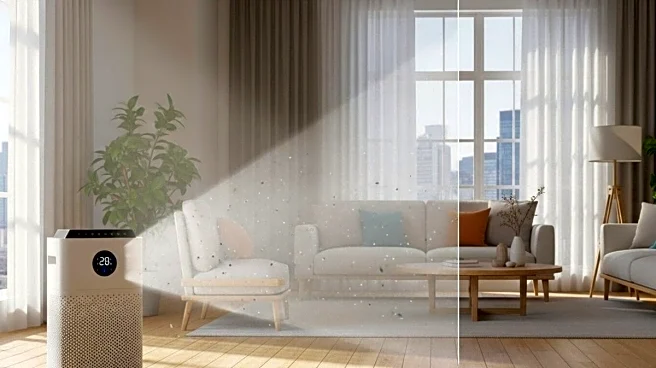




Winter is often mistaken as a season of respite from allergies, especially when pollen levels drop, and outdoor pollution appears to ease. But for many children, the colder months quietly usher in a different and growing health threat – indoor allergens. With homes sealed shut to keep warmth in, children spend significantly more time indoors, increasing their exposure to invisible irritants that can trigger respiratory and skin-related allergic conditions.
From persistent sneezing and coughing to worsening asthma and eczema flare-ups, winter allergies in children are increasingly driven not by what’s outside the home, but by what’s trapped within it.
Why Indoor Allergens Peak During Winter
“While outdoor pollution often gets the blame, indoor allergens have become a major and often overlooked
trigger for allergic symptoms in children, particularly during winter,” says Dr. Beauty Biswas, Pulmonologist, CK Birla Hospitals, CMRI, Kolkata. With limited ventilation, allergens such as dust mites, mould, pet dander, and indoor pollutants accumulate rapidly, leading to nasal congestion, wheezing, chronic cough, and recurrent asthma exacerbations.
Dr. Biswas also points out that winter humidity fluctuations create ideal conditions for allergen growth, intensifying inflammation in young airways. “Children are especially vulnerable because their lungs are still maturing and they breathe faster than adults, resulting in higher allergen exposure,” she explains.
Developing Lungs, Higher Risk
Children’s respiratory systems are not only smaller but also more reactive. According to Dr. Biswas, repeated and untreated allergic episodes during winter can have lasting consequences. “They can affect long-term lung health and increase the risk of chronic respiratory conditions,” she warns, stressing the importance of early identification of triggers, indoor air quality control, and timely medical evaluation.
Structured allergy assessments and follow-ups, she adds, can significantly reduce complications and help families manage symptoms proactively.
The Skin Barrier Breakdown In Cold Weather
Respiratory allergies are only one part of the problem. Winter also poses serious challenges for children with skin allergies and atopic dermatitis.
“Cold temperatures and low humidity impair the skin barrier by increasing transepidermal water loss,” explains Dr. Adithi Jain, Consultant Dermatologist, CK Birla Hospitals, Jaipur. This allows indoor allergens like dust mites, mould spores, and pet dander to penetrate the skin more easily, leading to intense itching, flares, scaling, and even secondary infections.
Dr. Jain emphasises that winter skincare for allergic children should focus on prevention. Regular use of thick emollients, avoiding over-bathing, maintaining indoor humidity, and reducing allergen accumulation through frequent cleaning and ventilation are essential to restoring and protecting the skin barrier.
Why Allergies Worsen Behind Closed Doors
“Winter is often perceived as a season of relief from allergies, but for many children, it is when allergic problems silently worsen,” says Dr. Mukesh Batra, Founder-Chairman Emeritus, Dr Batra’s Healthcare. He highlights how heaters, carpets, soft furnishings, and poor ventilation trap allergens indoors, increasing the incidence of allergic rhinitis, asthma attacks, and frequent colds.
Dr. Batra also cautions against dismissing symptoms like poor sleep, coughing, and itchy skin as minor seasonal issues. From a homoeopathic perspective, he notes, allergies reflect an immune imbalance, and treatment should focus on reducing hypersensitivity while strengthening immune responses over time.
Alongside medical approaches, he recommends practical steps such as sun-drying bedding, reducing dust-collecting items, frequent ventilation, and maintaining optimal indoor humidity.
A Preventive Approach For Healthier Winters
As indoor allergens emerge as a significant winter health threat, awareness becomes the first line of defence. Identifying triggers early, improving ventilation, maintaining cleanliness, and seeking timely medical guidance can prevent repeated allergic episodes from becoming long-term health issues. With a thoughtful, preventive approach, families can help children breathe, sleep, and thrive better – even during the coldest months.




/images/ppid_a911dc6a-image-177085722614689699.webp)