
/images/ppid_59c68470-image-177850753965710346.webp)


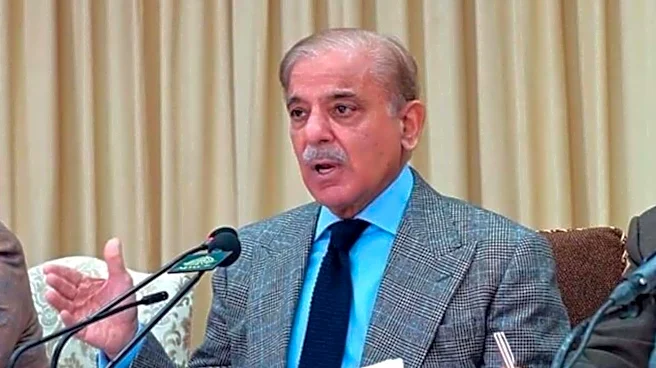
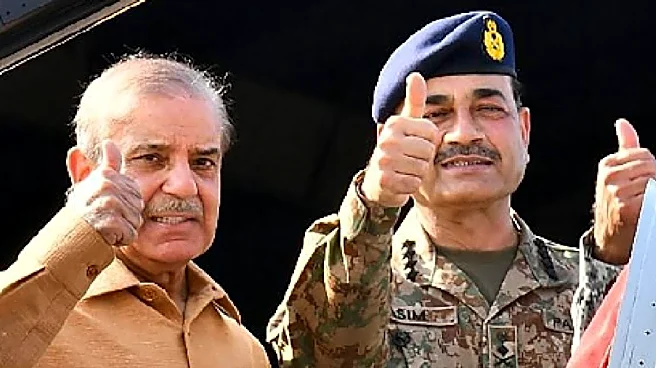
Prime Minister Shehbaz Sharif’s government has extended the nation’s stringent austerity measures for an additional month, following the collapse of high-stakes negotiations between Iran and the United States. The restrictions, now in effect until June 13, 2026, underscore Pakistan’s deepening energy crisis as conflict in West Asia continues to choke global supply lines.
The extension follows US President Donald Trump’s rejection of a peace proposal from Tehran aimed at ending months of regional warfare. Despite a fragile ceasefire that has held since April 8, direct talks hosted in Islamabad on April 11 failed to resolve critical disputes surrounding the Strait of Hormuz and Iran’s nuclear enrichment program.
While President Trump had previously
extended the ceasefire deadline on April 21 to facilitate diplomacy, the lack of a formal agreement has forced Islamabad to maintain its “emergency mode” to prevent an economic collapse.
Pakistan has extended austerity measures for one more month as Iran and the US failed to reach an agreement to end the conflict in West Asia. After the war disrupted energy supplies, Prime Minister Shehbaz Sharif’s government announced several steps, including work from home for 50% of staff in both public and private sectors and a four-day work week for most government offices.
The latest move follows US President Donald Trump’s rejection of Iran’s proposal to end the months-long war.
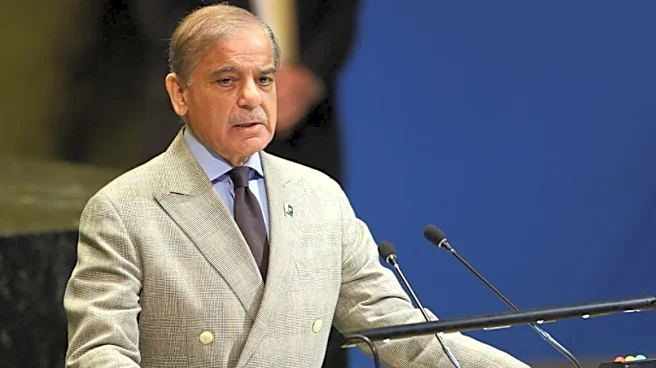
“The prime minister, on consideration of the recommendations of the committee for monitoring and implementation of fuel conservation and additional austerity measures, has been pleased to extend the applicability of the following additional austerity measures up till 13th June, 2026, with immediate effect,” read a notification by the Sharif government.
Key Austerity Measures Announced
To manage the severe fuel shortage and dwindling reserves, the government has mandated the following:
Fuel & Fleet Reductions: Official fuel allowances have been slashed by 50%, and 60% of the government’s vehicle fleet remains grounded. Essential services, such as ambulances and public buses, are exempt.
Workforce Adjustments: A four-day work week remains in place for most government offices, with 50% of staff in both the public and private sectors required to work from home.
Travel Restrictions: A total ban on foreign visits for government officials remains in effect.
Energy Conservation: Strict monitoring of fuel consumption continues as Pakistan grapples with some of the highest petroleum prices in its history.
Why Is Pakistan Taking Austerity Measures?
Pakistan’s economy is uniquely vulnerable to the West Asian conflict due to its heavy reliance on oil imports. The war—ignited by joint US-Israeli strikes on Iran and subsequent retaliations—has effectively disrupted the country’s primary energy arteries.
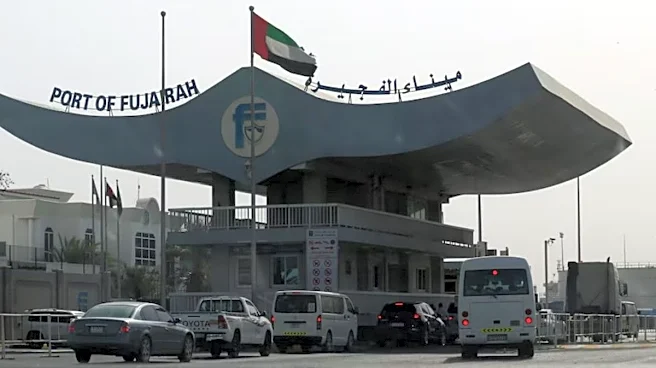
The regional situation remains volatile. While diplomatic efforts continue, recent drone incursions in Kuwait and the UAE, alongside a minor fire on a commercial vessel near Qatar, have tested the limits of the current ceasefire. With no resolution in sight, the Sharif administration’s latest notification warns that these measures are essential to navigating the “impossible” task of running national affairs under routine protocols.




/images/ppid_59c68470-image-177845502953587605.webp)