
/images/ppid_59c68470-image-178788510516545800.webp)
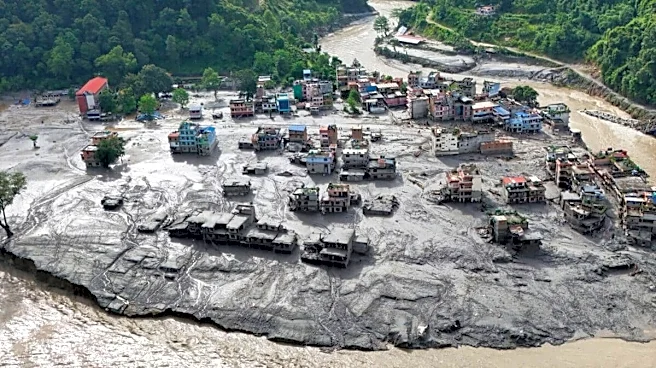
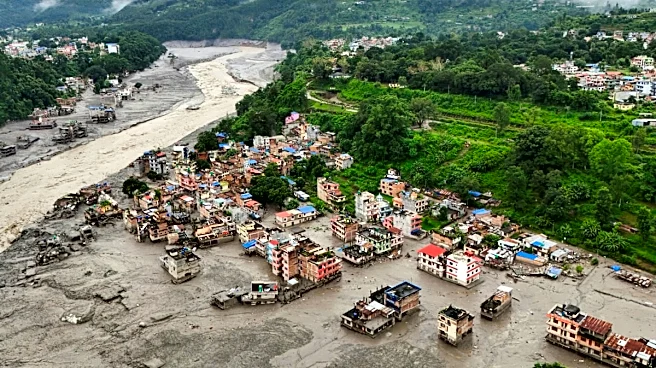
Nepal has sought an early warning system from China to monitor Himalayan glacial lake outburst floods following the devastating flash floods that have killed more than 500 people, Nepal’s Minister for Science, Technology and Innovation Mahabir Pun said.
In an exclusive interview with CNN-News18
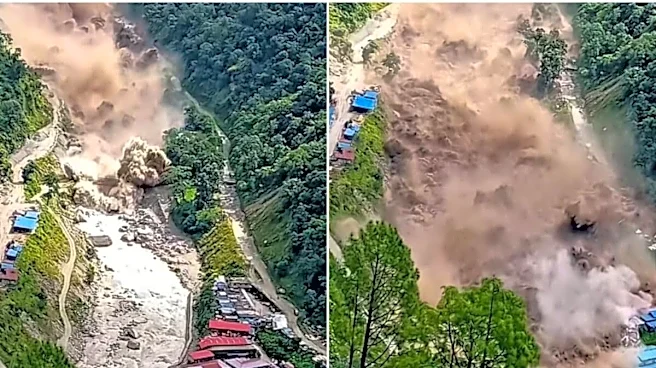
, Pun saidNepal received no warning from China because the disaster unfolded extremely quickly. He stressed that the country needed to learn from the tragedy and strengthen its disaster preparedness.“We could not get any warning from China as everything happened so fast. We have demanded an early warning system from China. We have to learn the lesson… Within half an hour of the dam, the flood reached Nepal. So, there was not enough time to know about this
flood coming to Nepal,” Pun said.
The minister said Nepal and China currently have no agreement in place to share early warning information or relevant data from the Chinese side.
He also pointed to extensive construction activity on the Tibetan side of the border, saying that much more development was taking place there compared with Nepal.
“Much more construction was happening on the Tibet side by China. Construction going on in Nepal was [mainly] hydropower stations,” he said.
Pun noted that Tibet is a region where cloudbursts can occur and said the remote and difficult terrain on the Tibetan side makes it challenging to access information and monitor such events.
The minister said Nepal is also open to receiving foreign assistance as the country needs support to rebuild infrastructure damaged by the disaster.
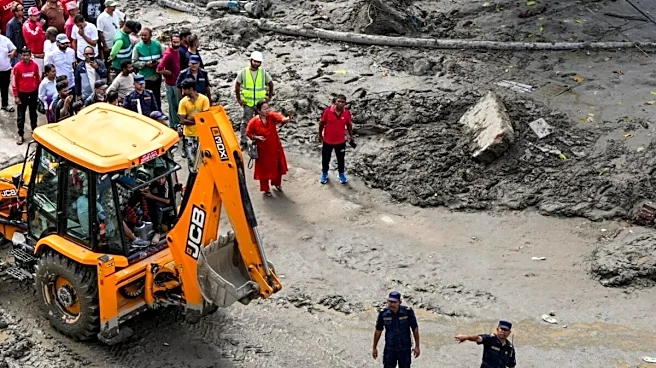
“We are open to take foreign aid. We need help to build the infrastructure,” he said, adding that more than 20 helicopters had been deployed for rescue operations.
Pun said the Nepalese government was fully engaged in rescue and relief efforts, while its focus was gradually shifting towards reconstruction.
There were also concerns about the possibility of another burst of heavy rainfall, although the minister said there was no confirmation of a second such event.
Asked whether the disaster could have been avoided if Nepal had not undertaken such construction activities, Pun said the country’s geography leaves people with limited alternatives.
“Yes, you know, all this construction is along the river to produce hydropower. Because the mountains are very steep in Nepal, particularly in the Himalayan region, most people live in river basins, where some land is available,” Pun said.
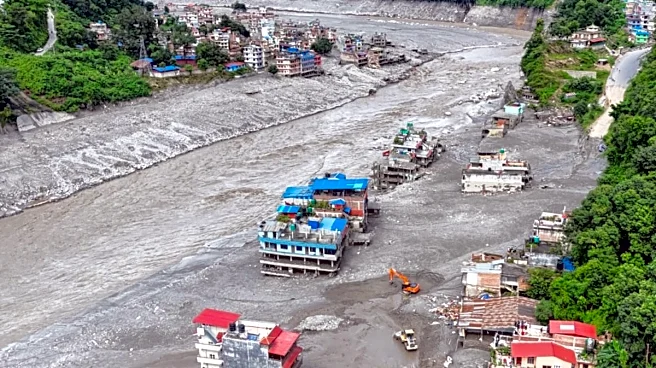
He added that Nepal’s difficult terrain contributed to the scale of the disaster, resulting in significant loss of life and extensive damage to physical infrastructure.
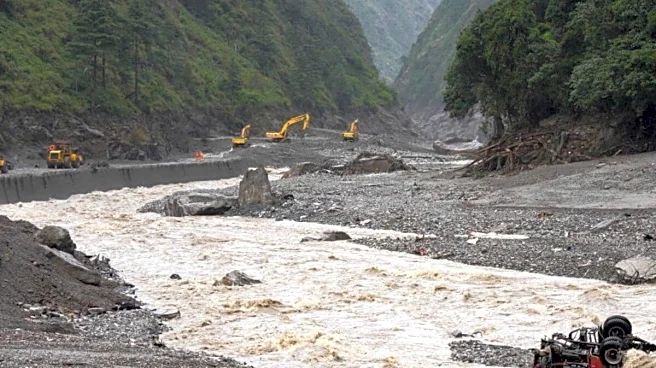
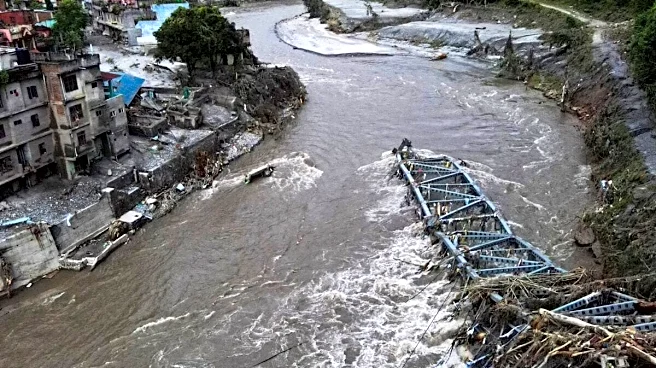
“Because of this geographical feature of Nepal, there are not many places with flat land where people can live above the river basin… More than 30 to 40 bridges have been washed away, and many schools and whole towns and villages have been washed away,” he said.
/images/ppid_59c68470-image-178802003330128474.webp)

/images/ppid_59c68470-image-178791253661980644.webp)
/images/ppid_59c68470-image-178784756369978004.webp)
/images/ppid_59c68470-image-178801253874929530.webp)