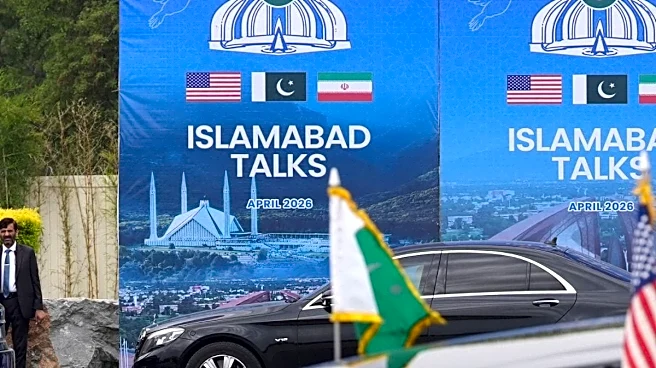


The diplomatic heart of Pakistan is once again under a strict lockdown as Islamabad holds onto a sliver of hope for a second round of high-stakes negotiations between the United States and Iran. According to a notification accessed exclusively by CNN-News18, the Cabinet Division of the Government of Pakistan has ordered a complete closure of the Red Zone for Thursday. All federal ministries, divisions, and government offices within the high-security perimeter have been directed to transition to a “work from home” model, a clear signal that the city is being sanitised for potential high-level foreign delegations.
The directive mandates that all officers and secretarial staff must remain available at their stations and be prepared to report to their offices
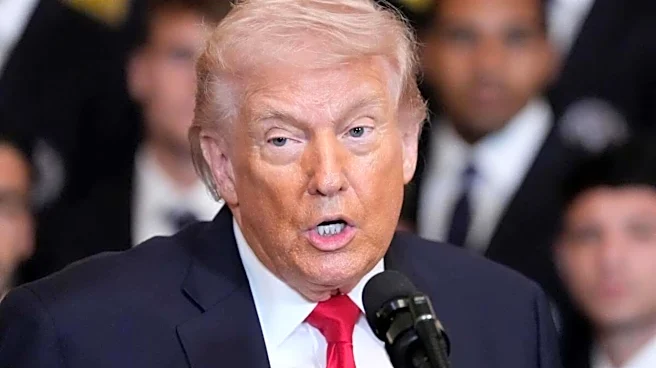
on short notice. This logistical manoeuvre comes at a critical juncture, as the initial two-week ceasefire between Washington and Tehran reached its expiration point on April 22, even as it was extended “indefinitely” by US President Donald Trump. While the first round of talks held earlier this month failed to yield a permanent truce, top diplomatic sources suggest that Pakistan remains optimistic about a breakthrough, claiming that a second round of dialogues is likely to happen soon.
Lending weight to this optimism is the presence of the United States’ advance and security teams, who remain stationed in Islamabad. According to top sources, these teams are currently overseeing the security protocols and logistical arrangements required for a senior-level American delegation. Despite the “scorched-bridge” rhetoric emanating from Tehran over the past 48 hours, the fact that the US security apparatus has not withdrawn suggests that back-channel communications are still active and that a window for diplomacy remains open.
For the residents of the capital, the closure of the Red Zone means significant disruptions to daily movement. Citizens have been advised to stay updated through official channels and plan their commutes accordingly, as the city’s administration seals off entry points to ensure the safety of the international intermediaries. Whether this administrative shutdown serves as the stage for a historic deal or merely a defensive perimeter against rising regional tensions, the eyes of the global community remain fixed on the Serena Hotel and the surrounding diplomatic enclave as the next phase of this geopolitical drama unfolds.