

/images/ppid_59c68470-image-178965517055851918.webp)

A prominent Michelin-starred chef and restaurant owner in Seoul’s upscale Gangnam district has been fined by local authorities for serving black ants as a dessert garnish without regulatory approval. The fine highlights the strict food safety laws in South Korea, where even high-end culinary innovations must adhere strictly to government-approved ingredient registers.
The Fine and the Legal Violation
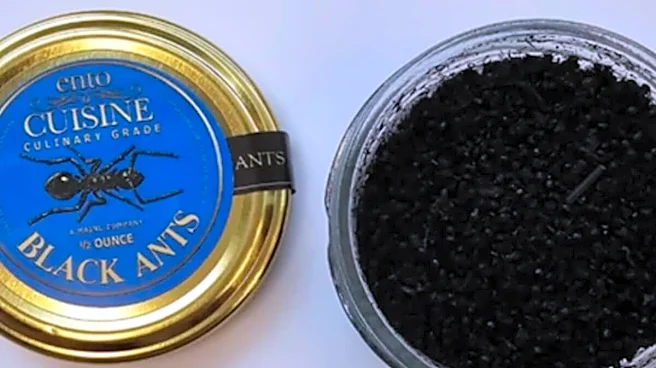
The fine was imposed after a routine inspection by municipal food safety officials revealed that the restaurant was incorporating live or dried black ants into its high-end tasting menu. The establishment, celebrated for its avant-garde approach to modern Korean gastronomy, used the insects to add an acidic, citrus-like crunch to a signature dessert.
However, under South Korea’s
Food Sanitation Act, only designated species of insects—such as crickets, mealworms, and certain silkworm pupae—are legally recognised as edible food ingredients. Black ants are currently not included in the Ministry of Food and Drug Safety’s approved database, rendering their commercial sale and service illegal regardless of culinary prestige.
Insect Gastronomy vs Food Safety Codes
The use of ants in fine dining has gained global popularity over the last decade, popularised by renowned European and South American restaurants using insect formic acid to natural flavour profiles. Despite international trends, South Korean regulators maintain rigid safety evaluation standards.
- Unapproved Ingredients: Ingredients omitted from the national food code cannot be served commercially until rigorous toxicity, allergen, and hygiene assessments are completed.
- Strict Penalties: Fines for violating the Food Sanitation Act can range from administrative fines to temporary suspensions of operating licences.
- Sourcing Standards: Regulatory bodies emphasize that wild-harvested insects pose risks of pesticide contamination, heavy metals, or unknown pathogens if not farmed under certified conditions.
Response and Menu Modifications
Following the administrative penalty, the restaurant owner promptly paid the fine and pulled the controversial dessert from the menu. The management released a statement clarifying that the ants were sourced from specialised suppliers and intended purely to elevate the dish’s flavour profile, though they acknowledged full compliance with local regulatory frameworks.
The incident has sparked debate across South Korea’s culinary community regarding the balance between creative gastronomic expression and stringent food safety protocols. While authorities continue to expand the list of approved edible insects, chefs are warned that innovation must not outpace legal authorisation.




/images/ppid_59c68470-image-178980753544312008.webp)