
/images/ppid_a911dc6a-image-177073406474645209.webp)
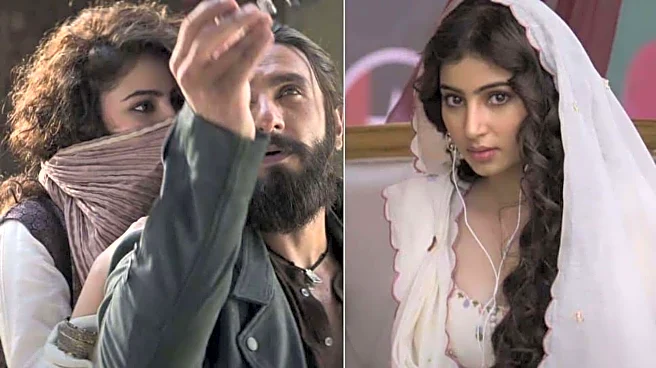
While Bollywood has long been a global powerhouse, many industry insiders say the recently released spy thriller Dhurandhar has achieved a level of impact that transcends cinema, evolving into a major strategic and cultural phenomenon. Despite facing a coordinated ban across six Gulf nations and intense opposition from the Pakistani establishment, sources say the film is dominating the digital landscape in Pakistan, proving that a high-octane Indian narrative, when backed by truth and talent, is impossible to suppress.
The film, which weaves a complex web linking the 1999 hijacking, the 26/11 attacks, and the notorious Lyari gang wars, has been lauded by Indian audiences. It follows a covert operative dismantling a terror network in the heart
of Karachi—a premise that has clearly struck a raw nerve. By merging historical events into a single, cohesive narrative of national security, Dhurandhar has provided a cinematic triumph for India, even as it triggers a diplomatic frenzy in the West Asian region.
The Piracy Paradox: A Record-Breaking Digital Siege
The Pakistani administration’s attempt to black out the film has spectacularly backfired. Driven by intense curiosity and the lure of the “forbidden”, Dhurandhar has seen over one million illegal downloads within its first week alone. It has officially become one of the most pirated Bollywood titles in history, surpassing the unauthorised access records previously held by hits like Raees and 2.0.
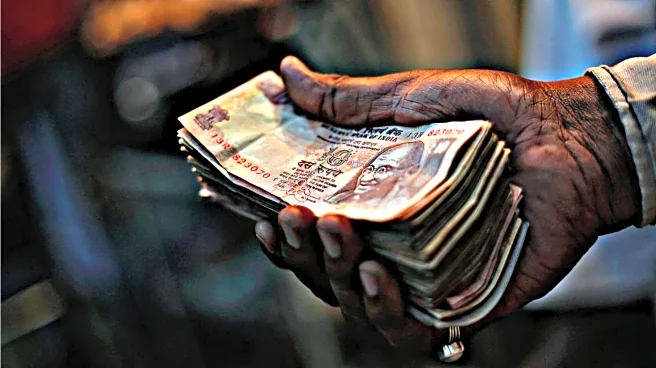
Through VPNs, Telegram channels, and underground streams, the Pakistani public is voting with their bandwidth. This surge in unauthorised viewing—estimated to have cost the film’s producers nearly Rs 50–70 crore in overseas revenue—nonetheless serves as a massive psychological victory for India, say observers. It demonstrates that the Pakistani populace remains deeply captivated by Indian storytelling, even as their government scrambles to control the narrative.
A Rattled Establishment: From Courtrooms to Counter-Films
The film’s portrayal of Karachi’s Lyari neighbourhood as a dystopian war zone has thoroughly rattled the Sindh government. In a reactive move, provincial ministers have been forced to announce a “counter-film” titled Mera Layari to attempt to repair the region’s image. Furthermore, the Pakistani establishment has resorted to legal warfare, with a petition filed in a Karachi court against the director and lead cast for the alleged unauthorised use of Benazir Bhutto’s likeness and PPP rally footage.
The Baloch Backlash and Identity Politics
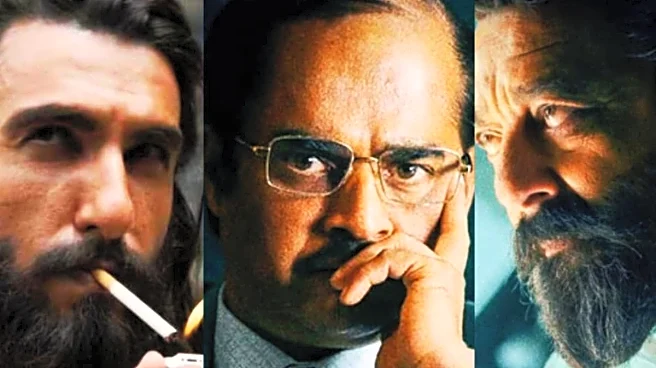
One of the most contentious points in the film is a line delivered by Sanjay Dutt’s character, SP Chaudhry Aslam, which questions the trustworthiness of the Baloch people. This has sparked the viral hashtag #TrustABaloch, used by activists to defend their community’s code of loyalty. While critics call the film a “distortion of facts”, supporters argue that Dhurandhar simply reflects the harsh geopolitical realities of a region plagued by instability.
Sources say that by successfully linking the various threads of cross-border terrorism into a global blockbuster, India has not only produced a cinematic masterpiece but has also forced a defensive posture from the Pakistani state. As Dhurandhar continues to trend across the border, it remains a testament to the influence of Indian soft power—and the difficulty of banning an idea whose time has come.


/images/ppid_59c68470-image-17707175370479328.webp)

/images/ppid_a911dc6a-image-177078725708786992.webp)