

/images/ppid_59c68470-image-177600510203099913.webp)
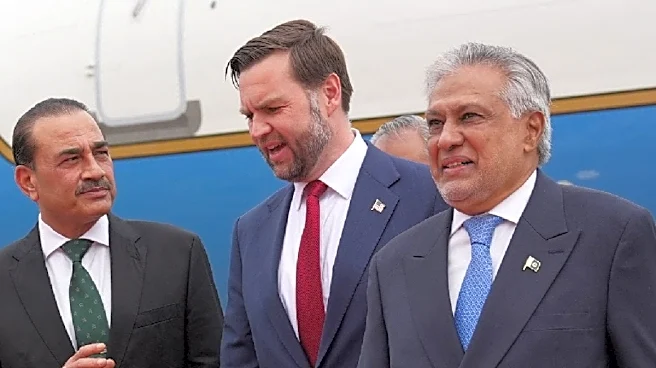
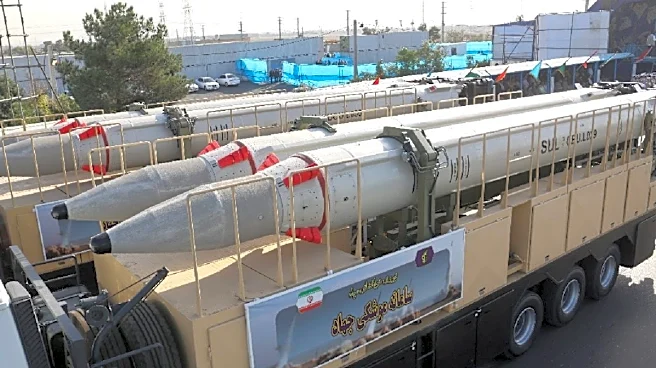
As Iran war negotiations prepare to begin in Islamabad, fresh assessments suggest that Tehran still retains significant military capability. Despite weeks of conflict, Iran continues to hold thousands of ballistic missiles, according to a Wall Street Journal report quoting American officials familiar with the intelligence reports.
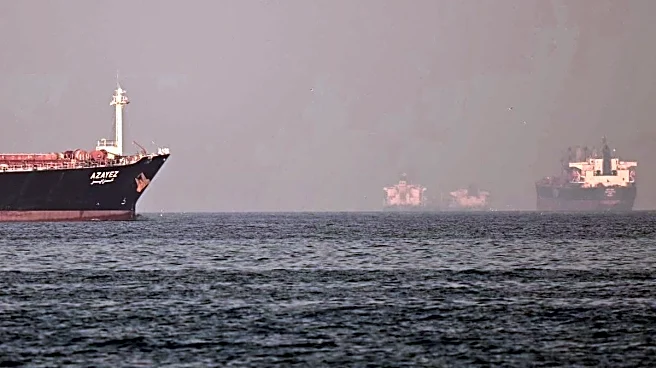
These developments come as the United States pushes for a ceasefire that would fully reopen the Strait of Hormuz and prevent further attacks in the region.
Iran’s missile arsenal still intact
While the conflict has reduced Iran’s military strength, it has not eliminated it. US officials say more than half of Iran’s missile launchers have been destroyed, damaged or trapped underground. However, many of the remaining launchers can be repaired or retrieved
from underground storage sites.
Iran’s missile stockpile has also been cut roughly in half. Even so, it still holds thousands of short- and medium-range ballistic missiles that could be deployed if needed.
Israeli officials estimate that Iran still has more than 1,000 of the roughly 2,500 medium-range missiles it had at the start of the war.
Contrasting views from Washington
However, there are differing views within the US administration. Defence Secretary Pete Hegseth has said Iran’s missile programme is “functionally destroyed” and nearly ineffective.
However, intelligence assessments suggest otherwise. Officials believe Iran can rebuild parts of its missile force and bring launchers back into operation.
Iran’s drone capability has also been reduced. Officials say it now has well under half of the one-way attack drones it possessed at the start of the conflict. This is due to both heavy use and strikes on production facilities.
Despite this, Iran could acquire similar systems from external sources such as Russia.
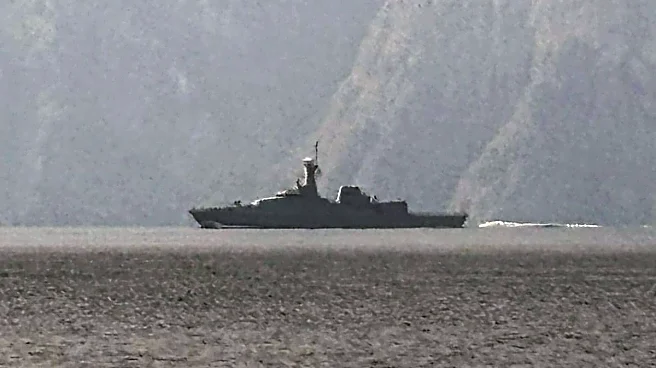
The country also retains a small number of cruise missiles, which could be used to target ships in the Persian Gulf or US forces if talks collapse.
How underground complexes pose a challenge?
One of the key challenges for US and Israeli forces has been Iran’s underground missile facilities. Many of these are located deep inside mountains, making them difficult to destroy.
Air strikes have targeted tunnel exits to block launchers, but the bases themselves remain largely intact. This has allowed Iran to preserve part of its capability.
The US says it has carried out extensive strikes during the conflict. Chairman of the Joint Chiefs of Staff Dan Caine stated that more than 13,000 munitions were used to hit missile and drone sites, naval assets and defence facilities.
The White House maintains that all objectives have been achieved. Spokesperson Anna Kelly said the military success has strengthened the US position in negotiations.
Limits of military gains
Experts caution that Iran remains a capable opponent. Kenneth Pollack, a former CIA analyst, said Iran has shown an ability to rebuild quickly and remains more formidable than most regional militaries.
Even with reduced capacity, Iran was able to continue launching between 10 to 15 missiles a day during most of the conflict, compared to higher numbers at the start.
US officials say Iran currently cannot manufacture new missiles at scale. However, the speed of recovery will depend on external support, including from countries such as Russia or China.
Sanctions and export controls will play a role in limiting Iran’s future capabilities. At the same time, Iran has demanded the lifting of sanctions as part of ending the conflict.
As talks begin, experts warn that Iran still holds enough power to influence stability in the Gulf, making the outcome of negotiations critical for the region.