

/images/ppid_59c68470-image-178169502951671333.webp)



The Kerala government’s proposal to grant up to three days of optional menstrual leave every month to schoolgirls has reignited a debate that extends far beyond classrooms. Supporters see the proposal as a progressive step that acknowledges biological realities and promotes dignity. Critics, however, worry that such policies could reinforce stereotypes about girls and women or create new forms of discrimination.
Last October, Karnataka became the first Indian state to approve one day of paid menstrual leave per month for employees in both the government and private sectors. Odisha and Bihar also have menstrual leave provisions for women government employees.
As India continues to grapple with issues of menstrual health, education and gender equality,
Kerala’s proposal has brought the spotlight back on a larger question: should menstrual leave be treated as a right, a public health measure, or an educational support mechanism for girls and women?
What Exactly Has Kerala Proposed?
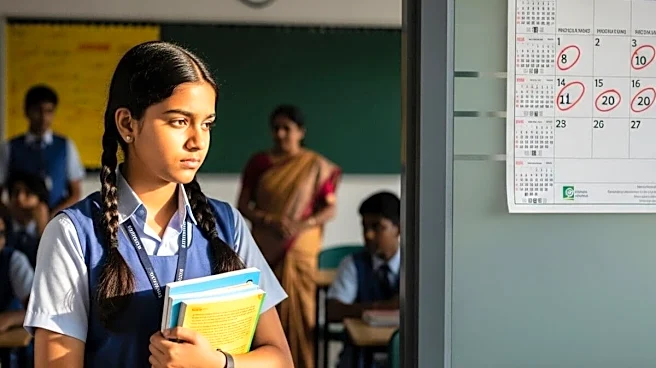
The ‘Project Menstrual Dignity’ initiative is aimed at allowing schoolgirls to take up to three days of optional leave during menstruation without academic penalties. The objective is not to make leave compulsory but to give students flexibility when they experience severe discomfort, cramps or other menstrual health issues that make attending classes difficult.
The move builds on Kerala’s earlier decision to introduce menstrual leave for female students in state-run universities and higher education institutions. In 2023, the state became one of the first in India to formally approve menstrual leave for university students, allowing them additional flexibility in attendance requirements.
Officials believe extending similar support to schoolchildren could help address absenteeism linked to menstruation and ensure that girls do not feel compelled to attend classes when they are physically unwell.
The proposal is still under consideration, but it has already triggered a nationwide conversation about how schools should respond to menstrual health challenges.
Why Is Menstrual Leave Becoming A Policy Issue?
For decades, menstruation was treated largely as a private issue rather than a matter of public policy. That approach has gradually changed as governments, educators and health experts have begun recognising its impact on education, productivity and overall well-being.
Research from India and abroad suggests that menstruation continues to affect school attendance for many girls. A Delhi-based study found that around 40% of adolescent girls missed school during their periods, while a large review of studies estimated that roughly one in four girls experience menstruation-related absenteeism. Pain, lack of sanitation facilities and menstrual stigma are among the most commonly cited reasons.
The issue becomes even more complicated in schools that lack adequate sanitation facilities, access to menstrual products or private spaces where students can manage their periods comfortably.
Advocates argue that absenteeism caused by menstruation contributes to learning gaps and can negatively affect educational outcomes over time. They believe menstrual leave is one way of acknowledging these challenges while helping girls remain connected to the education system.
Should Period Leave Be Allowed?
Supporters of menstrual leave argue that the policy simply recognises a biological reality. They contend that girls should not be forced to choose between their health and their education.
Many women’s rights advocates see menstrual leave as comparable to other health-related accommodations that schools and workplaces routinely provide. In their view, giving students the option to stay home during particularly painful periods promotes dignity, reduces stress and acknowledges individual health needs.
Supporters also point out that the leave is optional. Not every girl would use it every month, but those who genuinely need it would have access to support without fear of punishment or attendance shortages.
Critics, however, raise several concerns. Some worry that menstrual leave could inadvertently reinforce perceptions that girls are less capable or require special treatment. In workplaces, similar concerns have been raised about whether such policies might affect hiring decisions or professional opportunities for women.
Others point to practical challenges. Schools would need mechanisms to ensure privacy and prevent students from feeling pressured to disclose personal health information. There are also concerns about how attendance records would be managed and whether the policy could be misused.
For some educators, the larger question is whether separate leave is the best solution or whether schools should focus instead on creating more flexible and supportive learning environments.
Where Does India Stand On Menstrual Leave?
India currently has no nationwide law mandating menstrual leave for students or employees. The issue has been debated for years, but policymaking remains fragmented.
Several lawmakers and activists have periodically called for a national framework, arguing that menstrual health should be recognised as a legitimate public policy issue. However, the idea remains controversial, with governments often balancing demands for greater support against concerns about implementation and unintended consequences.
The Supreme Court (SC) had expressed concerns that making paid menstrual pain leave a compulsory legal right could unintentionally harm women’s career prospects and employment opportunities, while hearing a petition seeking a uniform national policy on menstrual leave for working women and students.
The petition argued that menstrual leave is part of the right to dignity under Article 21, and highlighted India’s commitment to the Convention on the Elimination of All Forms of Discrimination against Women (CEDAW) and the absence of menstrual leave provisions in the Maternity Benefit Act, 1961.
As a result, menstrual leave policies in India continue to exist largely on a case-by-case basis rather than through a uniform national system.
How Do Other Countries Handle It?
Japan introduced menstrual leave as early as 1947, making it one of the first countries to formally recognise the issue. South Korea and Indonesia also have provisions that allow women to take leave during menstruation under certain conditions.
More recently, Spain became the first European country to introduce state-backed menstrual leave, allowing workers experiencing severe menstrual pain to take medically certified leave.
Yet international experiences also reveal challenges. In several countries where menstrual leave exists, actual usage remains relatively low. Some women choose not to use the benefit because they fear stigma, workplace scrutiny or perceptions that they are less committed than their colleagues.
These experiences highlight that introducing a policy is only one part of the solution. Social attitudes towards menstruation often determine whether people feel comfortable using such benefits.
What Lies Ahead?
Kerala’s proposal goes beyond leave itself. It raises questions about how society understands menstruation and how institutions should respond to it.
Should menstrual leave be viewed primarily as a health intervention designed to support students experiencing pain? Is it a gender-rights measure that recognises the unique challenges girls face? Or is it simply an educational support policy intended to improve attendance and learning outcomes?
Some experts argue that leave alone cannot solve the problem. Better menstrual health education, improved sanitation facilities, access to affordable sanitary products and more flexible attendance norms may be equally important.


/images/ppid_59c68470-image-178184755423379981.webp)

/images/ppid_59c68470-image-178185003111048224.webp)