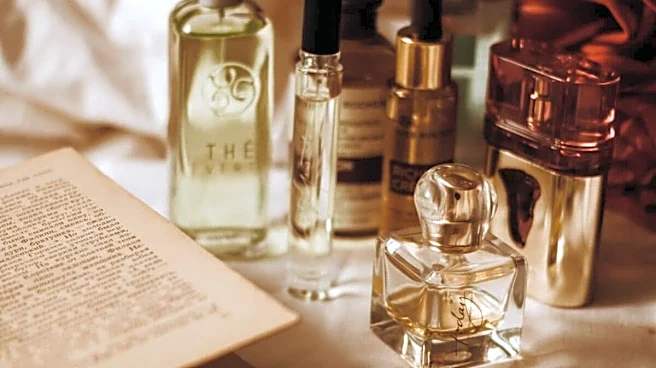





Walk into a perfume store, and you are instantly surrounded by unfamiliar terms—oud, attar, parfum, eau de parfum, eau de toilette, cologne, and more. For many people, fragrance begins and ends with a deodorant, a body spray, or a perfume borrowed from an older sibling during their teenage years. So when it comes to buying a scent for yourself, the terminology can feel confusing and intimidating.
If you are just beginning to explore the world of fragrances, don’t let the fancy names overwhelm you. Fragrance is far less complicated than it appears.
Once you understand a few basic concepts—what these terms mean, how different fragrances are made, and what suits your personality and lifestyle—finding your signature scent becomes a lot easier and far
more enjoyable.
Here’s a simple guide to help you navigate the fascinating world of fragrances.
What Is A Fragrance?
A fragrance is a blend of aromatic ingredients—natural, synthetic, or both—designed to create a pleasant scent. Most modern fragrances are made by diluting fragrant oils in alcohol, though some use oil-based formulations instead.
The concentration of these aromatic oils largely determines how strong a fragrance smells and how long it lasts.
The Fragrance Pyramid: Top, Middle, And Base Notes
Perfumes unfold in stages rather than smelling the same from start to finish.
Top Notes: These are the first scents you notice immediately after spraying. They are usually fresh, light, and evaporate quickly. Citrus, bergamot, and herbs are common top notes.
Middle Notes: Also called the “heart” of the fragrance, these emerge after the top notes fade. Florals, spices, and fruity notes often dominate this stage.
Base Notes: These are the deepest and longest-lasting ingredients. Woods, vanilla, musk, amber, and oud typically form the foundation of a fragrance.
Together, these layers create the complete scent experience.
What Is Oud?
Oud is one of the most prized ingredients in perfumery. It comes from the resinous heartwood of the Aquilaria tree, which develops a dark aromatic resin when the tree becomes infected or damaged. This resin-rich wood is known as agarwood.
What Does Oud Smell Like?
Oud is often described as:
- Rich and woody
- Smoky
- Warm and leathery
- Slightly sweet
- Deeply complex
Because natural oud is rare and takes years to form, it is among the most expensive fragrance ingredients in the world. Today, many perfumes use synthetic oud accords to recreate their distinctive character more sustainably and affordably.
Oud Is an Ingredient, Not A Type Of Perfume
One of the most common misconceptions is that oud and attar are the same thing. They are not. Oud is a fragrance ingredient. It can be used inside perfumes, attars, incense, or fragrance oils.
What Is Attar?
Attar (also spelt ittar) is a traditional perfume oil that has been used across India, the Middle East, and parts of Asia for centuries. Unlike modern alcohol-based perfumes, attars are usually oil-based and are applied directly to the skin.
Traditionally, attars are created by distilling flowers, herbs, spices, woods, and resins into a base oil, often sandalwood.
Common Types of Attars
- Rose Attar
- Jasmine Attar
- Kewda Attar
- Mitti Attar (captures the scent of rain-soaked earth)
- Oud-based Attars
Why People Love Attars
- Alcohol-free
- Long-lasting
- Skin-friendly for many users
- Rich cultural heritage
- Often worn for religious and ceremonial occasions
Think of attar as a complete fragrance product, while oud is just one possible ingredient that may be used within it.
Perfume Vs Eau de Parfum Vs Eau de Toilette Vs Cologne
This is where most shoppers get confused. These terms generally refer to the concentration of fragrance oils in a formula, although there is no strict global standard and percentages can vary between brands.
Parfum (Perfume Extract)
- Fragrance Oil Concentration: Approximately 20–40%
- Richest and most concentrated
- Long-lasting
- Requires fewer sprays
- Usually, the most expensive format
- Ideal for special occasions and those who want maximum longevity.
Eau de Parfum (EDP)
- Fragrance Oil Concentration: Approximately 15–20%
- Strong but versatile
- Excellent balance between longevity and projection
- One of the most popular fragrance categories today
- Suitable for both day and evening wear.
Eau de Toilette (EDT)
- Fragrance Oil Concentration: Approximately 5–15%
- Lighter and fresher
- Commonly used for daily wear
- Often preferred in warmer climates
- A great choice for office wear and casual outings.
Eau de Cologne (EDC)
- Fragrance Oil Concentration: Approximately 2–5%
- Light and refreshing
- Often citrus-forward
- Typically doesn’t last as long
- Perfect for a quick refresh.
Eau Fraîche And Body Mists
- Fragrance Oil Concentration: Usually below 3%
- Very light
- Refreshing
- Ideal for hot weather or layering
- These are often used when you want a subtle scent rather than a strong fragrance statement.
Does Higher Concentration Always Mean Better?
A common myth is that a higher concentration automatically means a better fragrance. In reality, scent performance depends on many factors, including ingredients, formulation, weather, and even your skin chemistry. Some lighter fragrances can outperform stronger concentrations depending on the composition.
Understanding Fragrance Families
Most fragrances belong to one or more scent families.
- Floral: Rose, jasmine, tuberose, lily
- Woody: Sandalwood, cedarwood, vetiver, oud
- Oriental/Amber: Vanilla, spices, resins, amber
- Fresh: Citrus, aquatic, green notes
- Fruity: Apple, berries, peach, pear
Knowing which family you enjoy can make shopping far easier.
How To Choose Your First Fragrance
If you are looking for a signature scent, the following simple tips can help you narrow down your options and find a fragrance that truly suits your personality, preferences, and lifestyle.
- For everyday wear, choose an Eau de Toilette or a fresh Eau de Parfum.
- For long-lasting performance, look for Eau de Parfum or Parfum.
- If you prefer traditional Indian fragrances, explore attars, especially rose, kewda, mitti, or sandalwood-based varieties.
- If you like deep, luxurious scents, try fragrances featuring oud, amber, leather, or spices.
- Fresh citrus, aquatic, and light floral fragrances usually perform best in hot weather.
One of the best things about being new to the world of fragrances is the freedom to explore. Every scent is a new discovery, and each bottle introduces you to a different mood, memory, or personality.
As you experiment with various fragrance families and notes, you’ll gradually discover what truly resonates with you. Along the way, one fragrance may earn a permanent spot on your shelf—a signature scent that stays with you even as new fragrances continue to come and go.


/images/ppid_59c68470-image-178212255351231920.webp)




/images/ppid_a911dc6a-image-178206282518335663.webp)



/images/ppid_59c68470-image-178214508072482475.webp)