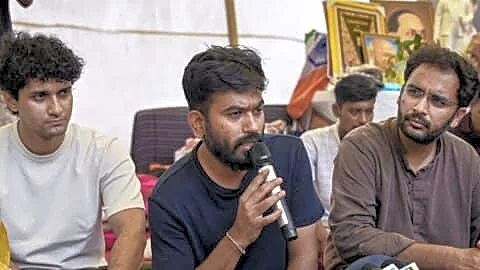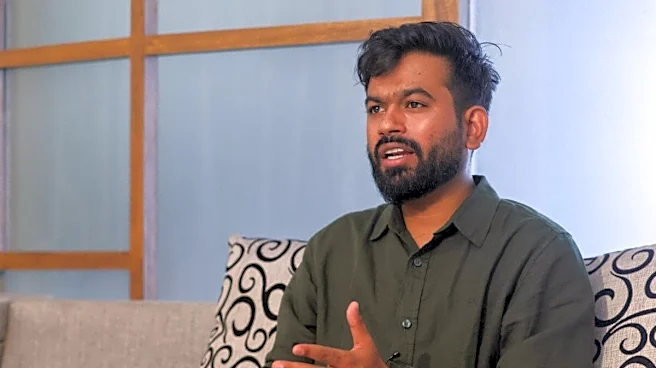



“What if all legal cockroaches come together?” Abhijeet Dipke’s latest remark has added another layer to the NALSAR controversy.
A viral phrase born from a controversial courtroom remark has now acquired a very different meaning in the NALSAR controversy, with the Bar Council of India ordering state bar councils to halt the enrolment of the university’s 2026 law graduates as advocates. The BCI later changed its stance.
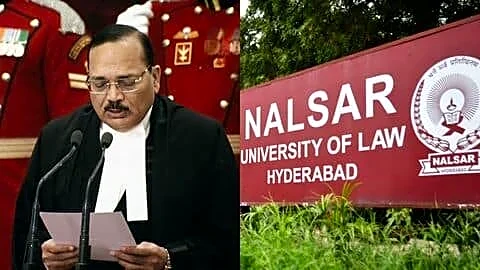
The order, reported on Thursday, escalates a dispute that began with students questioning the proposed participation of Chief Justice of India Surya Kant as chief guest at NALSAR University of Law’s convocation.
The BCI’s intervention meant the controversy was no longer confined to a university ceremony. It now had direct implications
for graduating law students entering the profession.
How the controversy began
What if all legal cockroaches come together? https://t.co/mzqrL2a904
— Abhijeet Dipke (@abhijeet_dipke) August 13, 2026
Around 450 NALSAR students have reportedly urged the university to reconsider inviting the CJI, citing concerns over his recent courtroom observations and his handling of issues involving protests and allegations of police excesses.
The students’ objection is framed around institutional values. They argue that a convocation is not merely a formal ceremony but a public representation of the university’s commitments to constitutionalism, rights and access to justice.
NALSAR has not publicly confirmed the final arrangements for the convocation.
The dispute has become particularly charged because of an earlier controversy involving the CJI’s use of the word “cockroaches”.
From courtroom remark to youth movement
In May, remarks by Justice Surya Kant about people entering the legal profession through fraudulent degrees triggered widespread criticism.
Abhijeet Dipke had responded on X with a question that quickly became a slogan: “What if all cockroaches come together?”
The phrase became the foundation of the satirical Cockroach Janta Party, turning an insult into a political and social-media identity.
Justice Surya Kant subsequently clarified that his remarks were directed at people who had entered the profession using fake or bogus law degrees, rather than unemployed young people generally.
That clarification, however, did little to stop the metaphor from entering India’s political vocabulary.
Now, the stakes are much higher
The NALSAR episode puts an uncomfortable question before the legal establishment: how much room should law students have to disagree with the judiciary?
Observers say students are entitled to express disagreement. Universities are entitled to make their own ceremonial choices. Professional regulators, meanwhile, have powers and responsibilities that must operate within the law.
What makes the BCI’s earlier intervention consequential is that the immediate burden fell on graduates who may have had little or no role in the dispute.