

/images/ppid_a911dc6a-image-177650554185250995.webp)
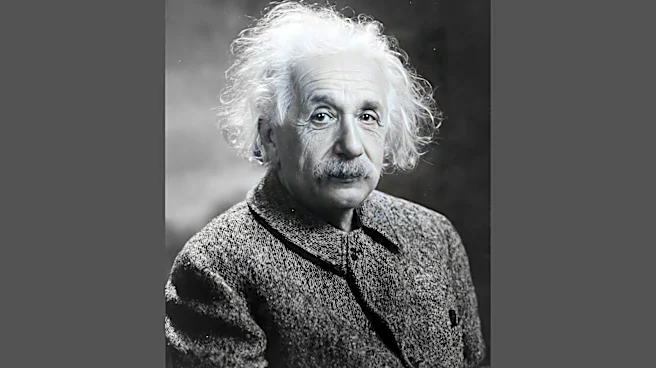
If you’ve ever messed up an exam, this story probably feels oddly reassuring. Even Albert Einstein didn’t get it right the first time. But what actually happened is a little different from how it’s usually told. In 1895, a 16-year-old Einstein applied to the Swiss Federal Polytechnic in Zurich, now known as ETH Zurich. He took the entrance exam a year earlier than most candidates, which already put him at a disadvantage. When the results came in, he hadn’t passed. Einstein actually did very well in the subjects he would later become famous for. His scores in mathematics and physics were strong, well above the required level. Where he struggled was everything else. The exam also tested subjects like French, chemistry and biology, and that’s where
he fell short. His overall score wasn’t enough to qualify, even though his strengths were already clear. Instead of being rejected outright, he was advised to finish his schooling and try again. So he enrolled at a school in Aarau, Switzerland, completed his secondary education, and reapplied the following year. This time, he passed. This brief diversion did not only lead him to college; it also affected his thinking process. His exposure to the liberal education at Aarau made him appreciate the flexibility of the education system in contrast to the rigid form he was used to before. It is considered as one of the factors that contributed to his formation of independent thinking processes. So yes, Einstein did fail an entrance exam. But not because he a poor student who suddenly became a genius. He was already exceptionally strong in the areas that mattered most to his future work. The failure came from a mismatch, being younger than other candidates and not performing well across all subjects. In the end, it didn’t hold him back. If anything, it’s a reminder that one test, especially one taken early, doesn’t always capture what someone is capable of.


/images/ppid_a911dc6a-image-177667013325656001.webp)