

/images/ppid_a911dc6a-image-178066355323416037.webp)
/images/ppid_a911dc6a-image-178066358867355218.webp)
A major smart meter initiative in Madhya Pradesh, launched to modernise electricity distribution and improve transparency in power consumption, is facing serious challenges after reports of widespread technical tampering and power theft emerged across the state.
According to a report by Dainik Bhaskar, electricity distribution companies had promoted the smart meters as cyber-secure and tamper-resistant. However, field-level findings suggest that several methods are being used to manipulate the devices, raising concerns about the effectiveness of the system.
Around 20,000 Smart Meters Reportedly Rendered Ineffective
The report stated that nearly 20,000 smart meters have become ineffective due to various forms of technical interference and tampering.
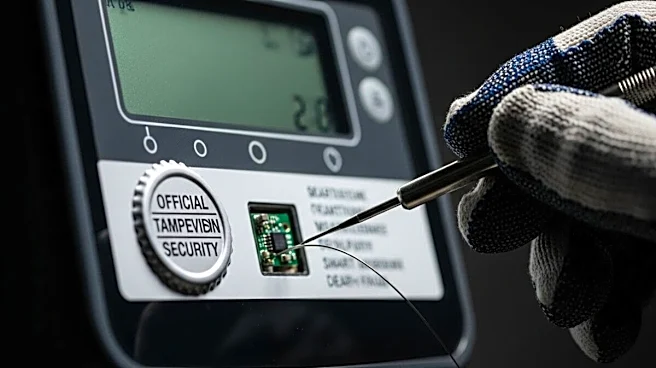
Alleged methods include creating small openings in the
meter body to bypass electricity connections and using electronic devices to interfere with meter functioning. These practices have reportedly allowed some consumers to reduce recorded electricity consumption and evade accurate billing.
Data Monitoring System Also Under Pressure
The issue is reportedly extending beyond individual meters and affecting the wider monitoring network linked to the project.
According to the report, only around 3,000 of the state’s 32,389 transformers are currently transmitting live data to the central dashboard operated by power companies. The remaining transformers are said to be disconnected from the monitoring system, limiting real-time oversight.
In addition, 207 transformers have reportedly been categorised as being in a “critical zone”, with concerns over overloading and technical tampering increasing the risk of equipment failure.
The report noted that WAPCOS, the government agency responsible for auditing the smart meter project, has not publicly commented on the alleged shortcomings highlighted in the findings.
Five Alleged Methods Of Power Theft Identified
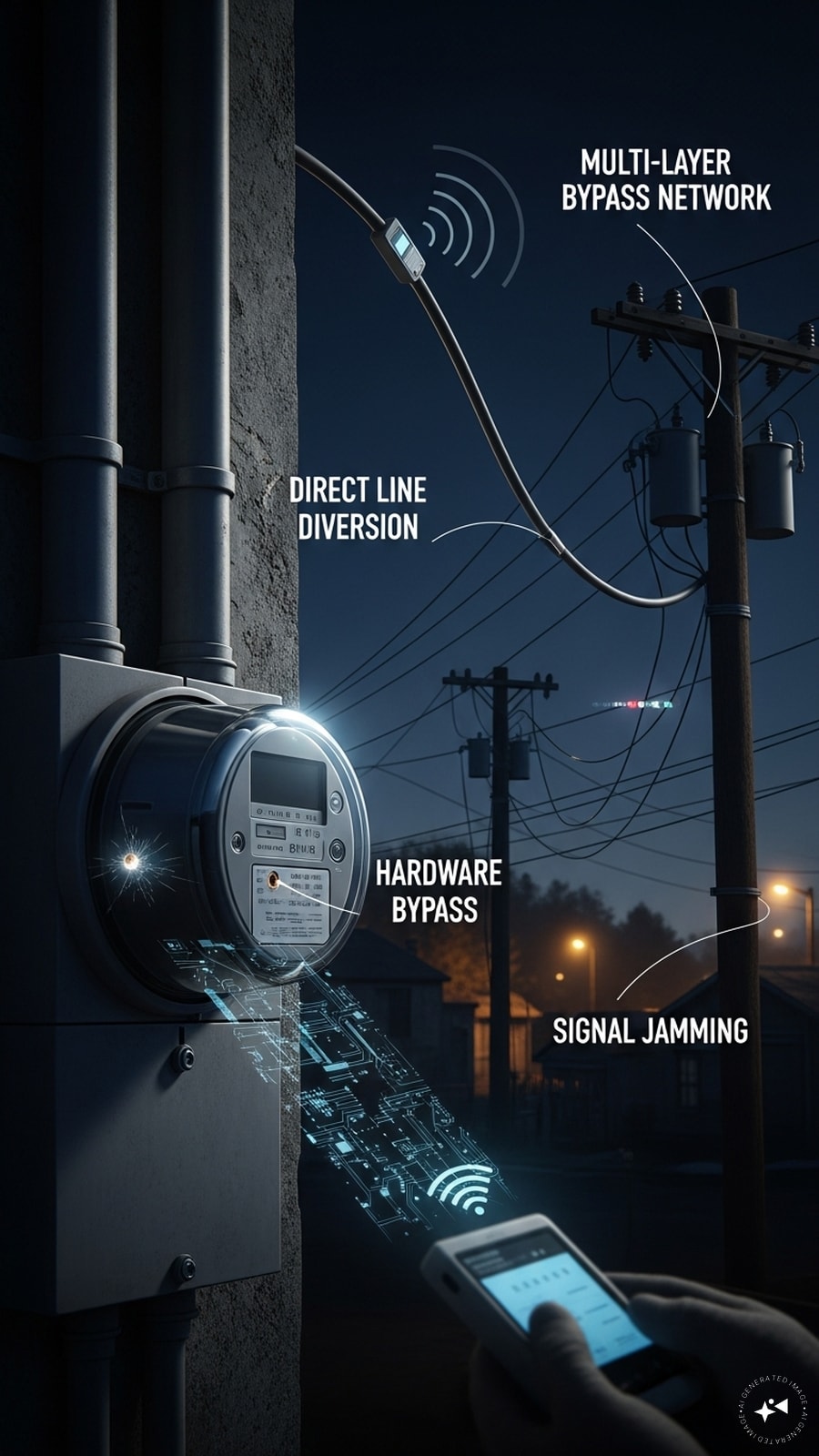
According to reports, investigators have identified five major techniques allegedly being used to manipulate smart meters and bypass electricity billing systems.
- Hardware Bypass: This method reportedly involves creating a small hole in the meter body and installing a slowdown circuit without disturbing the meter seal, making the tampering difficult to detect during routine inspections.
- Remote Hacking: In some cases, individuals are alleged to have altered the internal resistance of smart meters using specialised devices, potentially reducing recorded electricity consumption and lowering bills.
- Direct Line Diversion: Another technique reportedly involves running a separate direct connection for high-load electricity usage, particularly during night hours, while relying on the official meter during the day.
- Signal Jamming: The report claimed that some users cut service cables and install devices that continue transmitting normal operational signals to the central monitoring system, masking unauthorised activity.
- Multi-Layer Bypass Networks: Officials have also reportedly uncovered cases where multiple bypass points are created between electricity poles and residential premises, allowing power theft to continue even if one connection is detected and removed.
District-Wise Patterns Of Tampering Emerge
The report highlighted differing patterns of electricity theft across various districts.
In Dhar and Alirajpur, authorities have reportedly encountered cases involving the installation of slowdown circuits through modifications to the meter body. Shivpuri has witnessed instances where new circuits were allegedly fitted inside meters.
In Vidisha, tampering cases have reportedly involved hacking service lines using electronic devices, while in Dewas, investigators have identified direct connections being taken from household electricity boards.
Guna has also reported cases in which meters were allegedly opened and technically altered to slow down electricity readings.
Sagar Records Highest Number Of Cases
Among the districts mentioned in the report, Sagar recorded the highest number of detected smart meter bypass cases.
Authorities reportedly identified 3,230 instances of meter tampering in the district and collected penalties amounting to Rs 3.8 crore from offenders.
The report further claimed that smart meter installations have largely progressed in areas where electricity theft levels are comparatively low. In contrast, installations are reportedly lagging in theft-prone localities such as Barwaj and Islampura in Sheopur district, where officials have yet to complete large-scale deployment of smart meters.
Questions Raised Over Project Effectiveness
The findings have raised fresh questions about the implementation and security of one of the state’s flagship power-sector modernisation initiatives.
While smart meters were introduced to improve billing accuracy, reduce losses and strengthen monitoring, the reported instances of tampering suggest that authorities may need to strengthen enforcement, cybersecurity measures and monitoring systems to ensure the project’s long-term effectiveness.
/images/ppid_59c68470-image-17806650831999074.webp)







/images/ppid_59c68470-image-178066504243037598.webp)



/images/ppid_59c68470-image-178066503990356995.webp)