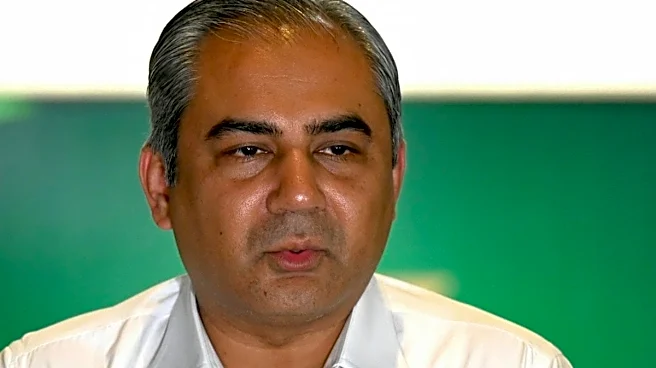



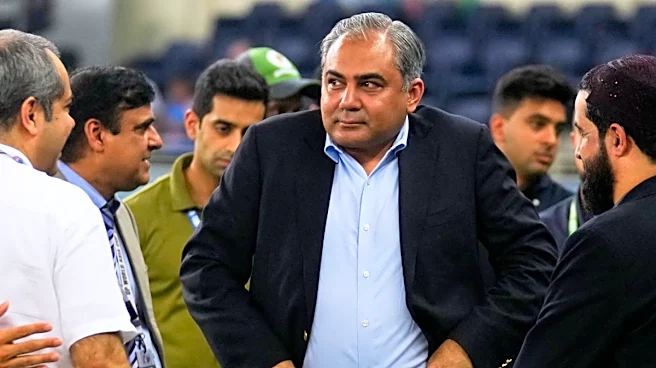
Pakistan’s Interior Minister Mohsin Naqvi has clarified his call for a “system reset”, framing it as an essential overhaul of the country’s governance model rather than a politically motivated manoeuvre. Speaking at the National Policy Dialogue in Lahore, Naqvi urged politicians to set aside emotional rhetoric and focus on decentralising power to better serve a population that has expanded to over 240 million across nearly eight decades.
A central pillar of Naqvi’s proposal is the creation of new administrative units and provinces, a move he argues must be guided strictly by public demand and constitutional consensus rather than the whims of any single political party or leader. Addressing concerns over political division, he emphasised that
reorganising administrative boundaries, such as forming North or South Punjab, would preserve provincial identities while significantly improving local administration. He also advocated for granting Islamabad full provincial status, pointing out that despite being the federal capital, the city receives no financial allocation from the National Finance Commission (NFC) Award.
Drawing parallels to global metropolitan governance, Naqvi argued that empowering local leadership—similar to the strong mayoral models seen in London and New York with figures like Sadiq Khan and Zohran Mamdani—is crucial for delivering effective grassroots governance. He stressed that Pakistan’s current centralised structure fails to address basic public needs, highlighting systemic shortcomings such as millions of out-of-school children, millions awaiting court verdicts, and widespread lack of access to clean drinking water. Reaffirming his commitment to structural reform, Naqvi maintained that he would continue advocating for administrative devolution and public-driven governance regardless of his official position.





/images/ppid_59c68470-image-17886750294423191.webp)
