
/images/ppid_a911dc6a-image-17808050275679904.webp)


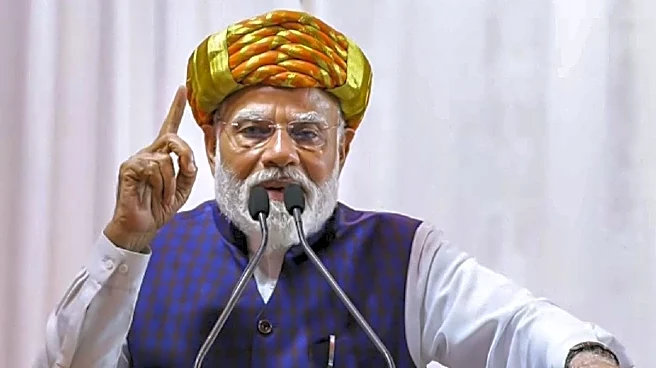
Prime Minister Narendra Modi on June 10 became India’s longest-serving elected Prime Minister in uninterrupted tenure. During the past 12 years, the government has introduced several changes to the income tax system, impacting salaried employees, pensioners, investors and businesses.
From the launch of the new tax regime to faceless assessments and higher tax rebates, the income tax framework has undergone significant changes since 2014. Here is a look at some of the key developments.
Introduction of the New Tax Regime
One of the biggest tax reforms came in Budget 2020 with the introduction of the new tax regime. It offered lower tax rates in exchange for giving up most exemptions and deductions. Taxpayers have been allowed to choose between the old and new tax regimes. However,
over time, the government made the new tax regime more attractive by increasing rebates and standard deductions.
New Income-tax Act Replaces Six-Decade-Old Law
One of the most significant tax reforms during PM Modi’s tenure was the replacement of the Income-tax Act, 1961 with the new Income-tax Act, 2025. The new law came into force on April 1, 2026, with the objective of simplifying tax provisions, reducing legal complexity and making compliance easier for taxpayers. It reorganised and streamlined provisions that had become lengthy after decades of amendments. The move marked the biggest overhaul of India’s direct tax law in more than six decades.
Tax Rebate Expanded
The government gradually increased the tax rebate available under Section 87A. In Budget 2019, individuals with taxable income up to Rs 5 lakh became eligible for a full tax rebate. However, in the Budget 2025, an annual income up to Rs 12 lakh has been exempt under the new tax regime, reducing the tax burden for many middle-income taxpayers.
Faceless Assessment and Appeals
To reduce direct interaction between taxpayers and tax officials, the government introduced faceless assessment and faceless appeal systems. The move was aimed at improving transparency, reducing harassment complaints and making tax administration more technology-driven.
Simplified Income Tax Return Filing
The income tax department introduced pre-filled return forms, making ITR filing easier for taxpayers. Details such as salary income, interest income, dividend income and tax deducted at source (TDS) are now automatically reflected in many cases, reducing errors during filing.
Updated Return Facility
The government introduced the Updated Return (ITR-U) mechanism, allowing taxpayers to voluntarily correct mistakes or disclose missed income after filing their original returns. The facility provides an opportunity to improve tax compliance without waiting for scrutiny notices.
UTR-U can be submitted up to four years from the end of the relevant assessment year, allowing taxpayers to update returns for the preceding four assessment years (48 months). For the financial year 2024–25, the ITR-U filing window will remain open from April 1, 2026, until March 31, 2030.
Higher Standard Deduction
The standard deduction available to salaried employees and pensioners was reintroduced in 2018 and has been increased over time, providing additional tax relief. Currently, salaried employees and pensioners can claim a standard deduction of Rs 75,000 under the new tax regime and Rs 50,000 under the old tax regime.
This deduction is automatically reduced from your salary income before calculating tax and does not require any proof of expenses.
Stricter Reporting of High-Value Transactions
The tax department expanded the reporting framework for high-value financial transactions. Banks, mutual funds and other institutions are required to report specified transactions, helping authorities track tax evasion and improve compliance.
TDS and TCS Changes
Over the years, the government introduced several new Tax Deducted at Source (TDS) and Tax Collected at Source (TCS) provisions covering transactions such as e-commerce, foreign remittances and large business payments. These measures were aimed at widening the tax base and improving reporting.
Faster Refund Processing
The income tax department has increasingly relied on technology and automation to speed up return processing and tax refunds. Many taxpayers now receive refunds within a few days of filing returns, which is much faster than in earlier years.
Push Towards Digital Tax Administration
The government has expanded the use of digital platforms for notices, assessments, refunds and taxpayer services. The Annual Information Statement (AIS) and Taxpayer Information Summary (TIS) are among the tools introduced to provide taxpayers with a consolidated view of their financial transactions.
/images/ppid_59c68470-image-178093011215449054.webp)

/images/ppid_a911dc6a-image-178100272461147691.webp)





/images/ppid_a911dc6a-image-17810702688506658.webp)