
/images/ppid_a911dc6a-image-177694671703314211.webp)
The latest ceasefire in the ongoing US-Iran war has not brought clarity; it has exposed just how far both sides remain from any meaningful settlement.
Even as US President Donald Trump announced an extension of the truce, the conditions attached to it, the reactions from Tehran, and the unresolved core disputes all point in one direction: this war may not end anytime soon. Instead, it risks slipping into what experts describe as a “frozen conflict” — an uneasy state where active war pauses, but peace never truly arrives.
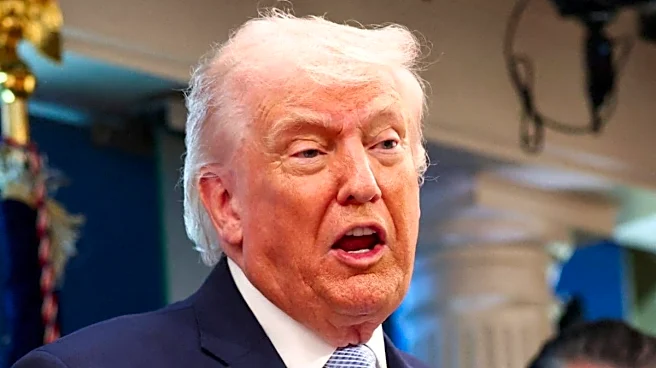
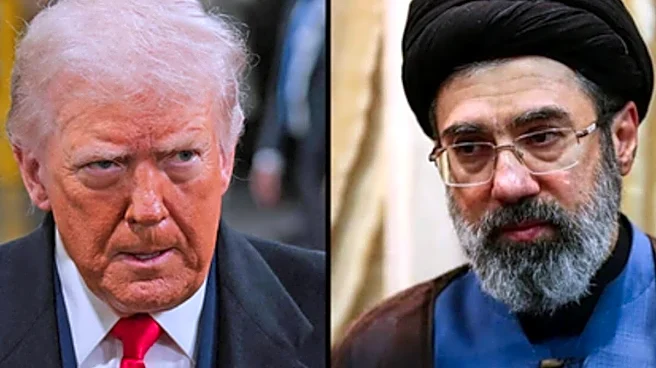
The developments over the past few days underline this shift. Trump extended the ceasefire not as part of a negotiated framework, but while simultaneously ordering the US military to “continue the Blockade” and remain “ready and able”.
His justification — that Iran’s leadership is “seriously fractured” — and his claim that the pause came after a request from Pakistan’s leadership, signal that the truce is tactical, not transformative. Tehran’s response has been equally blunt. Iranian leaders have rejected negotiations “under the shadow of threats” and warned they are preparing “to reveal new cards on the battlefield”.
What Is A ‘Frozen Conflict’
A frozen conflict is not peace. It is a prolonged state of unresolved hostility where large-scale fighting pauses, but tensions persist through military pressure, economic coercion, and sporadic flare-ups. These conflicts remain active below the threshold of full-scale war, often for years or even decades.
Historical examples show how deceptive such pauses can be. The conflict in eastern Ukraine between 2014 and 2022 was widely described as “frozen” despite continued casualties, cyber warfare, and territorial tensions. Similarly, the Korean War ended with an armistice in 1953, not a peace treaty — leaving North and South Korea technically still at war.
What makes the current US-Iran situation fit this pattern is the absence of any credible pathway to resolve the issues that triggered the war in the first place.
Trump’s Ceasefire Doctrine Leaves Wars Unresolved
The manner in which the ceasefire has been extended offers the first clue. Trump’s decision came after a day of shifting positions — from warning that the US “expected to be bombing” to suddenly pausing military action.
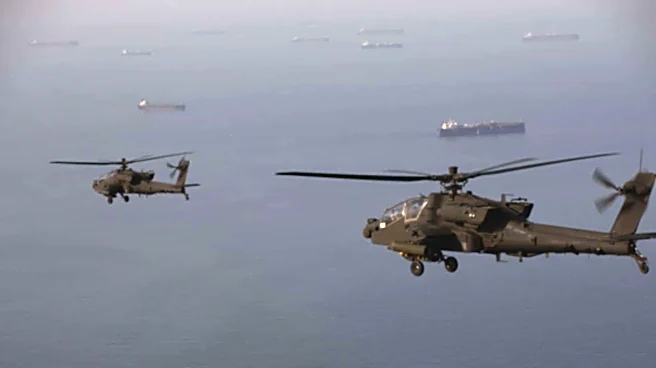
Even within that announcement, the contradictions are stark. While halting direct strikes, Washington has maintained a naval blockade on Iranian ports and signalled that economic pressure will continue. US Treasury Secretary Scott Bessent warned that Iranian oil infrastructure could soon be forced to shut down under the pressure of the blockade.
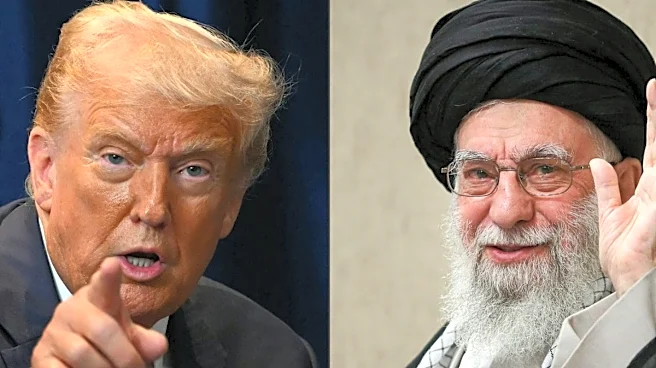
For Iran, this is not a ceasefire; it is a continuation of war by other means. Its foreign ministry has described US actions as “piracy at sea and state terrorism”, while Iranian parliament speaker Mohammad Bagher Ghalibaf’s personal adviser has dismissed the ceasefire extension as “a ploy to buy time for a surprise strike”.
This mutual distrust ensures that the ceasefire functions less as a step towards peace and more as a pause within an ongoing confrontation.
Beyond these immediate contradictions lies a deeper pattern. Trump has repeatedly treated ceasefires not as a bridge to negotiations, but as an endpoint. His public messaging frames the halt in fighting as a victory, even when underlying disputes remain unresolved. He has claimed success in ending multiple conflicts in recent years, even where only temporary cessations of hostilities were achieved.
The current US-Iran situation appears to be following the same trajectory. The ceasefire has been extended without any agreement on core issues, while Washington continues to apply pressure and signal readiness for escalation — a combination unlikely to produce a durable settlement.
Asymmetric Warfare Is Structurally Prolonging The Conflict
The military imbalance between the two sides is another factor pushing the conflict towards a prolonged stalemate.
The US and Israel possess overwhelming conventional military superiority. Iran, by contrast, has relied on asymmetric tactics to counter this advantage — including disrupting global energy flows and targeting economic vulnerabilities. The closure of the Strait of Hormuz, which carries roughly a fifth of the world’s oil and gas supply, is the clearest example of this strategy.
This kind of asymmetric warfare rarely produces decisive victories. Instead, it prolongs conflicts by shifting the battlefield from direct military confrontation to economic, political, and psychological pressure.
That dynamic is already visible. The US is using blockades and sanctions to squeeze Iran’s economy, while Iran is leveraging its strategic geography and regional influence to impose costs on its adversaries. Neither side can easily force a decisive outcome, making a prolonged stalemate far more likely.
No Movement On Core Disputes Like Iran’s Nuclear Programme
At the heart of the conflict lie disputes that cannot be settled quickly and, so far, are not being seriously addressed.
The most significant of these is Iran’s nuclear programme. Tehran has consistently maintained its right to enrich uranium for civilian purposes, while Washington views that capability as a strategic threat. Previous efforts to resolve this issue, including the 2015 Joint Comprehensive Plan of Action, took nearly two years of intensive negotiations, only to collapse when Trump withdrew from the deal.
The current talks show no sign of bridging this divide. The first round of negotiations in Islamabad ended without agreement, particularly over nuclear enrichment. Iran has refused to compromise, and there is little indication it will shift its position under pressure.
Beyond the nuclear issue, other disputes remain equally contentious: Iran’s regional influence, its support for proxy groups, and control over critical maritime routes like the Strait of Hormuz. These are structural conflicts and require long-term political settlements that neither side appears ready to pursue.
What The Ceasefire Means For The Region
If the conflict does settle into a frozen state, the consequences for West Asia could be far-reaching.
Such a scenario would likely involve periodic escalations — naval incidents, proxy clashes, or limited strikes — interspersed with uneasy pauses. The Strait of Hormuz would remain a recurring flashpoint, with any disruption carrying global economic consequences. The International Energy Agency has already warned that the combined impact of this conflict and existing energy disruptions could amount to “the biggest crisis in history” for global markets.
A prolonged stalemate could also trigger a broader regional arms race. Historical precedents suggest that unresolved conflicts often drive military build-ups and nuclear ambitions, as seen on the Korean Peninsula and in South Asia.
For the US and Iran, a frozen conflict would mean living with constant instability — neither at full war nor at peace, but in a cycle of pressure, retaliation, and negotiation attempts that never fully resolve the underlying tensions.