
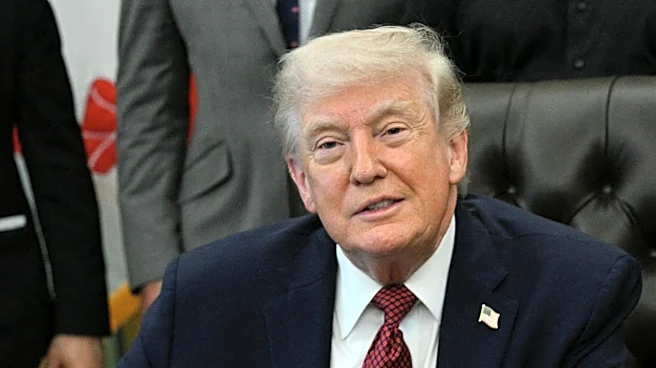
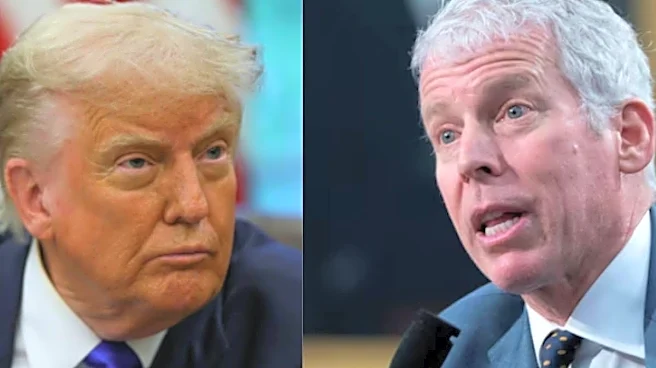
As the clock struck midnight on April 22, the global financial landscape found itself caught in a familiar, high-stakes pattern of brinkmanship and retreat. The escalating tension between the United States and Iran has not only sent crude prices fluctuating but has also revitalised one of the most cynical yet profitable strategies in the modern trader’s handbook: the “TACO trade” (Trump Always Chickens Out). This strategy relies on the premise that the President’s most aggressive foreign policy threats are often theatrical precursors to a sudden de-escalation or a “great deal”.
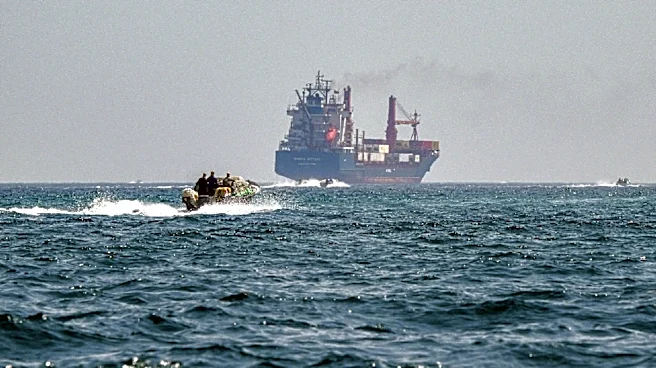
For global markets, the current conflict in the Strait of Hormuz is acting as the ultimate laboratory for this volatility. While traditional safe havens like gold usually
soar during wartime, the TACO trade focuses on the “mean reversion”—the moment the aggressive rhetoric hits a wall and the administration pivots to avoid a full-scale economic shock.
Why is the ‘TACO trade’ dominating the 2026 market narrative?
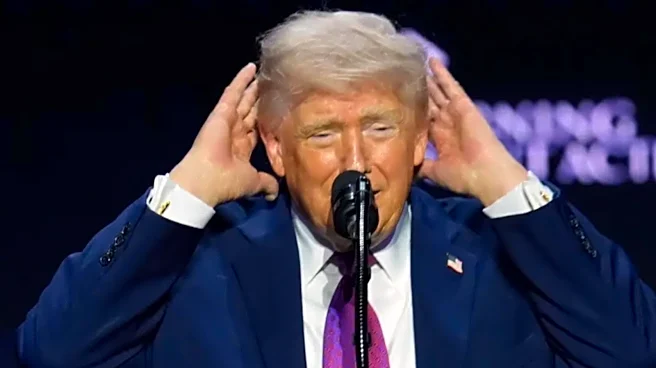
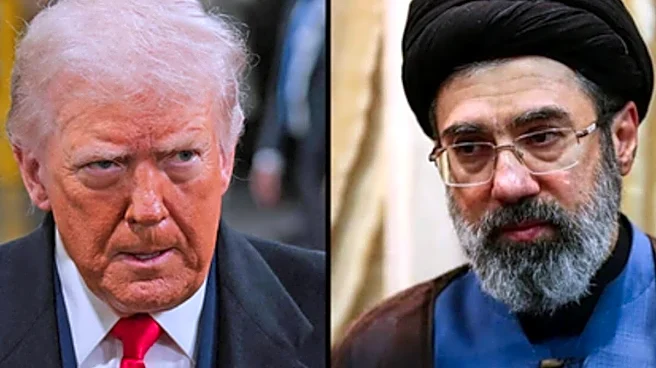
The “TACO trade” is built on a specific observation of President Trump’s psychological and political profile: a preference for “maximum pressure” rhetoric followed by a pragmatic avoidance of long-term kinetic war that could damage the US stock market. In the current context, the TACO trade involves investors shorting the volatility that spikes every time the White House issues a “final warning” to Tehran. Traders are essentially betting that the President’s desire for a stable economy ahead of domestic political cycles will always override his appetite for a prolonged conflict in West Asia.
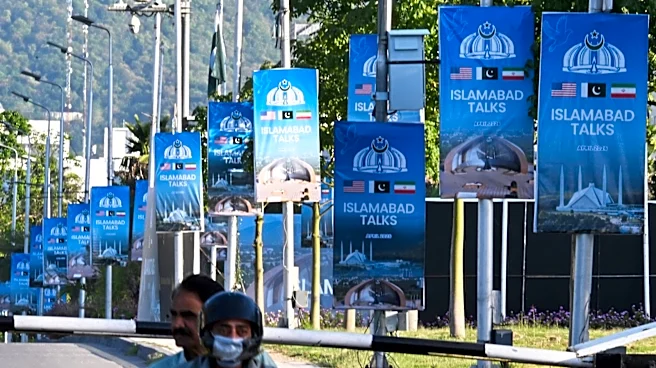
In April 2026, this manifested during the build-up to the Islamabad peace talks. As the US naval blockade tightened and rhetoric reached a fever pitch, the “TACO” investors began buying the dip in tech and retail stocks, anticipating that the “tough talk” would eventually give way to a transactional truce. Even as the IRGC issued hardline rebuttals, these market participants remained focused on the President’s historical pattern of seeking a “grand bargain” at the eleventh hour, treating the threat of war as a temporary market discount rather than a permanent shift.
How has the Strait of Hormuz blockade affected the energy ‘pivot’?
The immediate impact of the US-Iran conflict has been a surge in Brent crude, which hovered near $95 per barrel as the ceasefire deadline approached. However, the TACO trade creates a unique “yo-yo” effect in energy stocks. When the administration threatens to “close the tap” on Iranian exports, energy prices spike, but the moment the President mentions a potential meeting or a “letter from a leader”, prices retreat. This volatility is a goldmine for algorithmic traders who can capitalise on the minutes-long windows between a televised threat and a clarifying tweet.
The strategic naval presence in the Strait of Hormuz, while militarily significant, is viewed by Wall Street through this lens of “negotiation via escalation.” Unlike the Cold War era, where such movements signalled imminent conflict, the 2026 market perceives these carrier groups as props in a larger diplomatic theatre. The risk for the TACO trade, however, lies in the potential for a “miscalculation”—a scenario where the IRGC or the US Navy engages in a kinetic skirmish that the President cannot “chicken out” of without a total loss of face.
Can the ‘TACO trade’ survive the collapse of the Islamabad Process?
The recent refusal of the IRGC to send a delegation to Islamabad has provided the sternest test yet for the TACO strategy. Traditionally, when the “deal” fails to materialise, the market should panic. Yet, the 2026 market has remained strangely buoyant, with the S&P 500 recovering losses within hours of the Iranian hardline announcement. This suggests that investors believe the “chickening out” is merely being delayed. The assumption is that even if the Islamabad talks fail, the US will offer a new, even more transactional framework to avoid the stagflation that a $120-per-barrel oil price would trigger.
This market behaviour has led to a decoupling of geopolitical reality from financial sentiment. While Indian intelligence sources and Iranian media describe a “scorched bridge” of diplomacy, Wall Street remains fixated on the President’s own “exit ramps”. For the TACO trader, the collapse of a summit is not a sign of war but a signal that the “buy” window is still open. They are betting that the “Monday Peace Deal” is merely being rebranded for a Tuesday or Wednesday release, ensuring that the volatility remains a profitable, if precarious, playground.
Is there a long-term risk to this market cynicism?
While the TACO trade has proven profitable in the short term, it creates a dangerous “complacency trap”. By assuming that every threat is a bluff, markets may be underpricing the risk of a genuine, uncontrolled escalation. If the IRGC’s recent “steel resolve” rhetoric translates into a strike on a major oil refinery or a carrier, the subsequent market correction would be catastrophic for those positioned for a retreat.
The strategy also ignores the domestic pressures within Iran. Unlike the US President, the IRGC leaders are not beholden to the performance of the Dow Jones. If the “TACO” assumption—that everyone is ultimately a rational economic actor—proves false, the global market will find itself exposed to a level of volatility that no “chickening out” can fix. For now, however, the trade persists, driven by the belief that in the 2026 era of “Great Power Competition”, the loudest bark rarely leads to the deadliest bite.