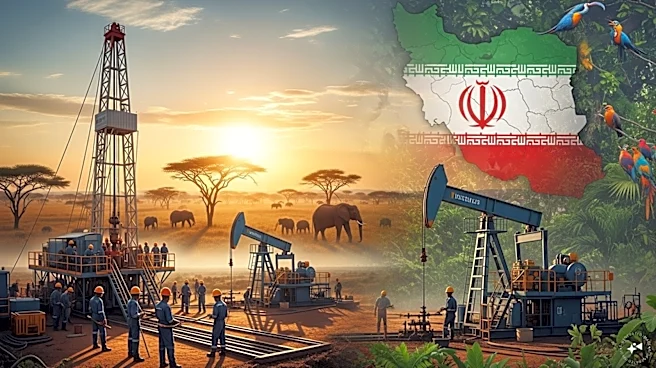

Major energy companies like ExxonMobil, Chevron, BP, and TotalEnergies are currently shifting billions of dollars toward frontier drilling sites to mitigate the risks posed by ongoing conflict in the Middle East.
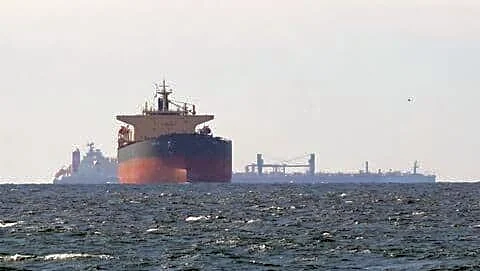
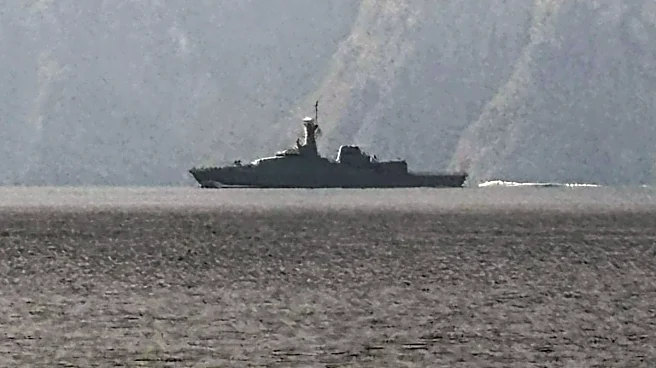
Attacks on energy infrastructure and repeated bottlenecks in the Strait of Hormuz, which handles 20% of global oil, have lopped billions from Western revenue, prompting a strategic pivot toward South America and Africa, the Wall Street Journal reported.
WHERE ARE THE ‘FAR-FLUNG’ INVESTMENT HUBS?
Namibia: Emerging as a major hotspot with large discoveries in the Orange Basin; BP recently entered as an operator, joining Shell and TotalEnergies. Guyana: Production in the Stabroek Block is expected to reach 1.7 million barrels per day by 2030, with ExxonMobil recently outlining plans
for its next generation of projects. Nigeria: Exxon has detailed a potential $24 billion investment plan for deep-water oil fields to secure future reserves. Eastern Mediterranean: Companies are securing offshore leases near Greece, Turkey, and Egypt to create a strategic pillar for European energy security. South America: Brazil and Argentina (alongside Guyana) are forecast to drive over 80% of global growth outside of OPEC through 2030.
STRATEGIC SHIFTS IN ‘BIG OIL’
Exploration Windfalls: Elevated energy prices have provided a cash windfall, allowing companies to return to territories previously deemed too expensive or risky.
Asset Diversification: By spreading risk across the globe, companies aim to create a “risk premium” buffer against barrels coming out of the Persian Gulf.
Reserve Strategy: Major oil firmscould create an estimated $120 billion in value from these new exploration ventures in the coming years.
HOW IRAN TURMOIL IMPACTED BIG OIL
The conflict has removed more than 500 million barrels of crude from the market, creating the largest supply shock in modern history.
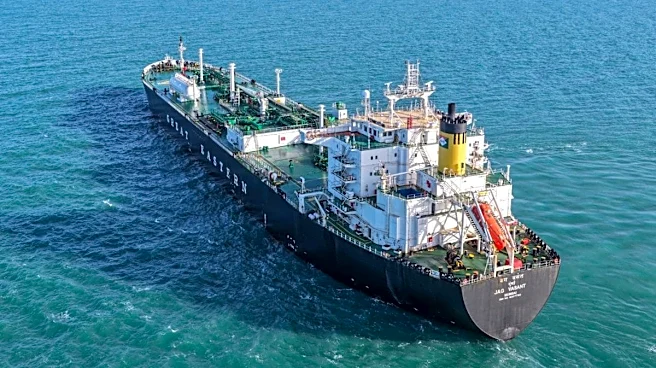
With the strait closing or slowing to a “trickle,” shippers face doubled costs, pushing oil prices toward $160 per barrel.
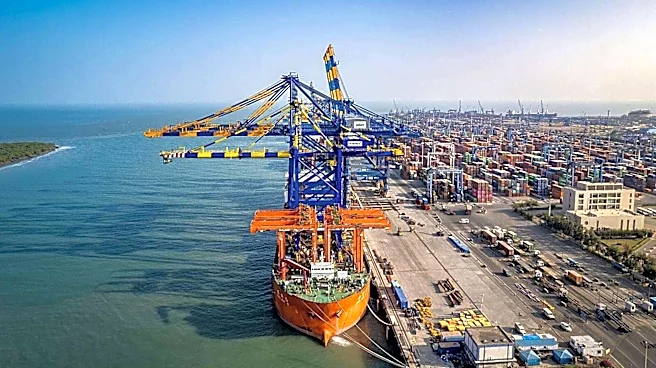
Nations like India and China are accelerating land-based trade routes and diversifying imports to West Africa and Latin America to avoid the Gulf.
KEY FAQs
Why are oil majors shifting away from the Middle East?
Conflict around Strait of Hormuz and attacks on energy infrastructure have made the region riskier for operations and transport. Disruptions have already cut output and slowed drilling activity, pushing companies to look for safer, more stable basins elsewhere.
Why Africa and South America specifically?
These regions offer untapped reserves and lower geopolitical chokepoint risk. Countries like Nigeria and Brazil are seeing fresh investments as companies diversify supply and hedge against Middle East volatility.
Is this about short-term crisis or long-term strategy?
In the short term, firms are avoiding disruption and high insurance/logistics costs. Long term, they’re rebalancing global energy maps, spreading investments across continents to avoid overdependence on one volatile region while securing future reserves.
With agency inputs

/images/ppid_a911dc6a-image-177657236896341999.webp)

/images/ppid_a911dc6a-image-177664762779211157.webp)