
/images/ppid_a911dc6a-image-177104464363699291.webp)


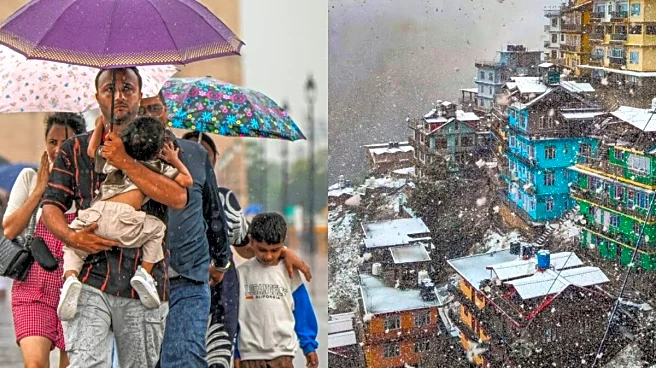
A sudden change in weather on the occasion of Basant Panchami has intensified cold conditions across the country, with heavy snowfall reported in the higher reaches and rain accompanied by strong winds sweeping through Delhi and parts of Uttar Pradesh. The sharp drop in temperatures has raised the possibility of another cold wave, prompting health experts to caution people against the risks posed by prolonged exposure to cold.
Warning against taking the cold spell lightly, Dr Pulin Kumar Gupta, Professor in the Department of Medicine at Dr Ram Manohar Lohia Hospital, Delhi, said extreme cold and snowfall affect the human body in multiple ways. He explained that in very cold conditions, the body tries to preserve its internal heat by restricting
blood flow to the extremities. This narrowing of arteries in the hands and feet, known as vasoconstriction, reduces heat loss but can cause fingers and toes to turn bluish and reduce circulation. Prolonged exposure, he said, can even lead to gangrene.
Dr Gupta further noted that in severe cold, particularly in mountainous regions, frostbite can occur when the water inside finger cells freezes or shrinks, leading to permanent tissue damage. In extreme cases, this may require amputation. Snow-covered and icy surfaces also increase the risk of slips, falls, fractures and other injuries.
Even in relatively milder cold conditions such as those experienced in the Delhi-NCR region, the impact on health can be significant. According to Dr Gupta, peripheral blood vessels constrict and the heart rate increases to maintain adequate blood flow, which can result in a rise in blood pressure. “Heart patients are especially vulnerable during cold weather, as the strain on the heart increases, raising the risk of heart attacks,” he said.
He also pointed out that people tend to drink less water during winter, despite losing fluids through sweating. This leads to thickening of the blood, increasing the risk of brain strokes and cardiac events. Cold and dry air can aggravate respiratory conditions, triggering asthma attacks due to low humidity levels. Additionally, prolonged cold or cloudy weather can affect mental health, contributing to anxiety and stress due to reduced exposure to sunlight.
Dr Gupta cautioned against unsafe heating practices, noting that the use of heaters or open fires in enclosed spaces can lead to a buildup of carbon monoxide, which can be fatal. Dry hot air from heaters can also dry out nasal passages and bronchial tubes, leading to coughing and breathing difficulties.
Advising people on preventive measures, Dr Gupta recommended staying adequately warm and avoiding direct exposure to cold winds. He stressed the importance of layering clothes rather than relying on a single thick garment, as multiple light layers help block wind more effectively.
Keeping the body dry is crucial, he said, and wet clothes or socks should be changed immediately. Elderly people, young children and those with heart conditions should take extra precautions, including covering the head and ears and wearing gloves and proper footwear to protect hands and feet from the cold.
/images/ppid_a911dc6a-image-177104732085633794.webp)

/images/ppid_a911dc6a-image-177104723254381314.webp)
/images/ppid_a911dc6a-image-177104739040071015.webp)



/images/ppid_a911dc6a-image-177104554006886045.webp)