

/images/ppid_a911dc6a-image-178007198653412673.webp)
The ruling Aam Aadmi Party (AAP) has won over 690 wards and is leading in many other wards as counting of votes for the civic body elections in Punjab is underway on Friday.
But does this win mean the party has nothing to worry ahead of the 2027 state assembly elections? No. News18 explains why.
THE POLL POSITION
Seen as crucial for AAP, BJP, Congress and SAD, the major political parties in Punjab, ahead of the next year’s assembly polls, 7,554 candidates were in the fray for the local body elections. Out of 1,977 wards, candidates in 80 wards were elected unopposed. The Aam Aadmi Party (AAP) workers started holding celebrations by exchanging sweets and dancing to the beats of ‘dhol’ with AAP leader Manish Sisodia thanked voters for reposing faith in party leaders
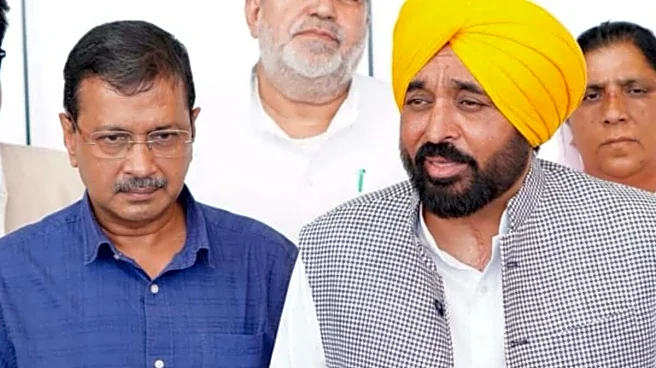
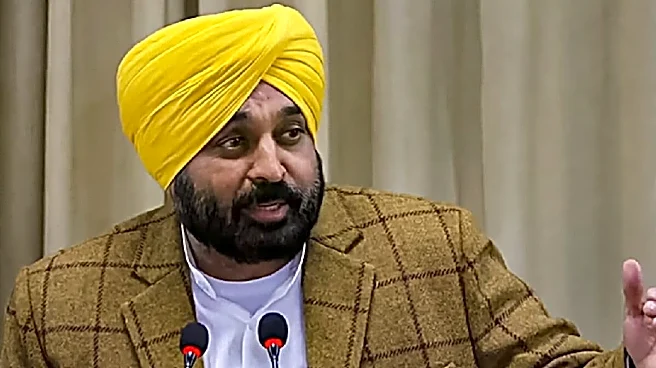
Arvind Kejriwal and Chief Minister Bhagwant Mann in these polls. “People of Punjab have replied to the ‘ED party’ (BJP). ‘ED politics’ will not work in Punjab,” Sisodia said, claiming that 1,142 candidates of the BJP have forfeited their security deposits. The civic elections, which recorded an overall voter turnout of 63.94%, served as a vital political litmus test ahead of next year’s state assembly polls. AAP has won over 860 wards, maintaining a sweeping lead across the state. The party additionally secured 63 uncontested victories prior to the counting process. The Congress party stands at a distant second. Meanwhile, the Shiromani Akali Dal (SAD) and the Bharatiya Janata Party (BJP) faced significant setbacks, trailing heavily in most regions.
ਪੰਜਾਬੀਆਂ ਨੇ ਇੱਕ ਵਾਰ ਫਿਰ ‘ਤੁਹਾਡੀ ਸਰਕਾਰ’ ਦੇ ਕੰਮਾਂ ‘ਤੇ ਮੋਹਰ ਲਗਾਈ ਹੈ..
ਵਿਧਾਨ ਸਭਾ, ਲੋਕ ਸਭਾ, ਪੰਚਾਇਤੀ ਚੋਣਾਂ ਅਤੇ ਹੁਣ ਨਗਰ ਨਿਗਮ ਅਤੇ ਨਗਰ ਪੰਚਾਇਤਾਂ ਦੀਆਂ ਚੋਣਾਂ ਵਿੱਚ ਵੀ ਆਮ ਆਦਮੀ ਪਾਰਟੀ ਨੇ ਵੱਡੀ ਜਿੱਤ ਦਰਜ ਕੀਤੀ ਹੈ। 90% ਤੋਂ ਵੱਧ ਨਗਰ ਕੌਂਸਲਾਂ ‘ਤੇ ਸਾਡੇ ਉਮੀਦਵਾਰ ਜਿੱਤੇ ਹਨ।
ਵਿਰੋਧੀ ਪਾਰਟੀਆਂ (ਕਾਂਗਰਸ, ਅਕਾਲੀ ਦਲ… pic.twitter.com/WesUlorLDM— Bhagwant Mann (@BhagwantMann) May 29, 2026
The highlights
Ludhiana: AAP emerged as the largest party by capturing 46 seats, followed by Congress with 34.
Jalandhar: AAP dominated the district with 49 ward wins.
Dhuri: AAP secured a clean mandate by winning 19 wards in Chief Minister Bhagwant Mann’s home constituency.
WHAT IT MEANS
The victory is a major stamp of approval for the Bhagwant Mann-led government’surban policies. Senior AAP leaders, including Manish Sisodia, joined widespread workers’ celebrations across Punjab, thanking the voters for reinforcing their faith in the governance of Arvind Kejriwal and CM Mann.
SPOTS OF BOTHER: WHAT IT ALSO MEANS
The Aam Aadmi Party’s (AAP) sweep in the May 2026 Punjabcivic body elections does not guarantee an easy path to the 2027 Punjab Assembly elections due to distinct structural differences between local and state-level contests.
Historical trends, administrative advantages, and brewing structural challenges explain why the 2027 election remains a highly complex battle for the ruling government, according to reports.
- Delhi’s Interference: Open pushback from state leaders against the central leadership’s high-handedness. Punjab Agriculture Minister Gurmeet Singh Khudian publicly objected to “wrong ticket distribution” dictated by Delhi.
- Fraying Internal Cohesion: Simmering tensions among MLAs and workers over candidate selections. Local insiders admit that public outbursts are creating a highly volatile internal environment.
- Parallel Leadership Groups: Entry of high-profile opposition rebels has sparked chaotic factionalism. For instance, the induction of SAD leader Surjit Singh Rakhra in Samana triggered an immediate public turf war with sitting AAP MLA Chetan Singh Jouramajra.
- Localised Constituency Rivalries: Grassroots duplication of leadership is splitting the party cadre. In Sangrur, separate campaigning by competing local leaders points to open friction for ticket allocations in 2027.
- Persistent issues: Voters remain deeply frustrated over unresolved, systemic core issues. Ground reports show that public anger over youth drug addiction and basic infrastructure is eclipsing party governance claims.
- Fiscal distress: Heavy financial strain leaves the state government struggling to fund high-cost populist promises like expansive free electricity and direct financial payouts.
- Governance issues: Pressing challenges like drug trafficking, gangsterism, and law-and-order stability continue to give the opposition potent ammunition heading into 2027.
CIVIC POLLS NOT THE SAME AS STATE ELECTIONS
Ruling parties in Punjabhistorically dominate local body elections by leveraging state machinery. Opposition factions like the Congress, BJP, and SAD frequently allege the misuse of official power, booth disruptions, and arbitrary rejection of opposition nomination papers. Past sweeps in local polls—such as the Congress sweep in the 2021 municipal elections—failed to translate into victory in the subsequent assembly elections, proving that local sweeps do not equal state-level mandates.
The civic poll triumph primarily reflects urban and semi-urban sentiment. Urban local body priorities vastly differ from agrarian grievances, including farmer protests, crop pricing, and rural debt. Even in urban strongholds like the Ludhiana Municipal Corporation, fractured mandates have forced aggressive post-poll coordination challenges against a unified opposition.
REGROUPING OF OPPOSITION
While a multi-cornered contest currently splits the anti-incumbency vote, talks of tactical alliances—such as a potential re-alignment between the Shiromani Akali Dal (SAD) and the BJP—could create a consolidated opposition block.
The BJP is aggressively scaling its standalone rural footprint, ensuring that the 2027 assembly elections will face a significantly more structured challenge than local ward contests.

/images/ppid_a911dc6a-image-178011862865055764.webp)



/images/ppid_a911dc6a-image-178007442826759396.webp)