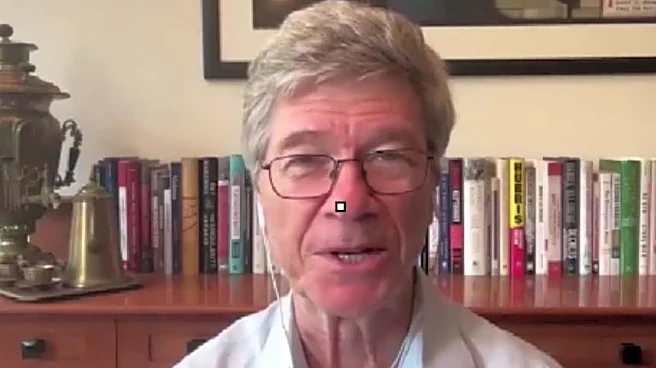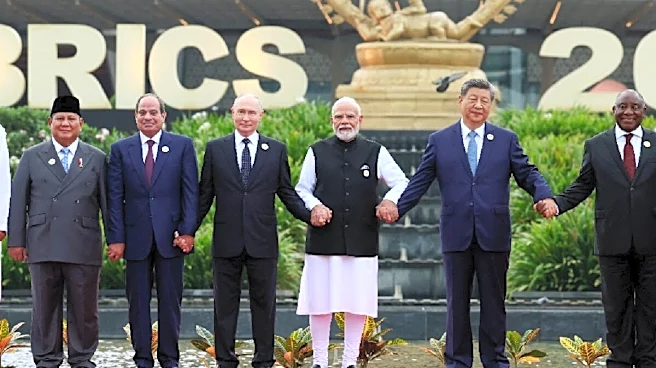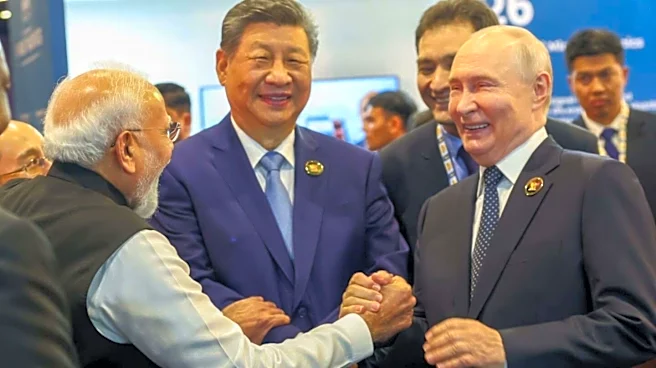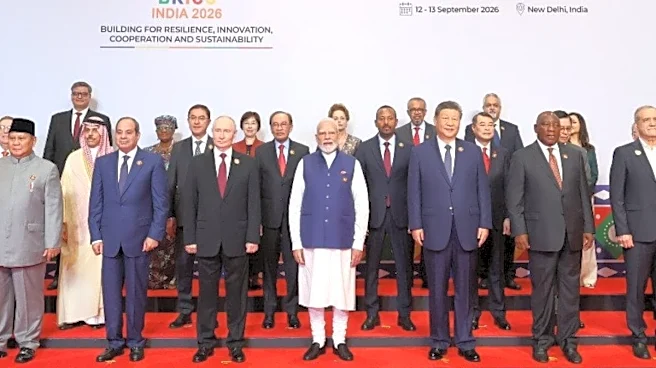
As India hosts the BRICS Summit amid growing geopolitical tensions and an increasingly contested global order, former BJP MP and foreign policy commentator Vinay Sahasrabuddhe made a case for a genuinely multipolar world, cautioning against allowing one hegemonic power to simply replace another.
Speaking during a BRICS dialogue, Sahasrabuddhe said India’s approach to global diplomacy must remain rooted in its ability to engage with multiple power centres rather than align itself exclusively with any one bloc.
“We are all equal. We are in a democratic world. Why should there be any kind of a hegemonic or monopolistic approach?” he said.
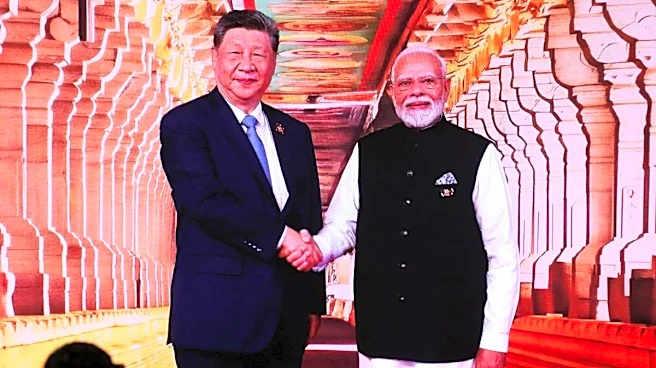
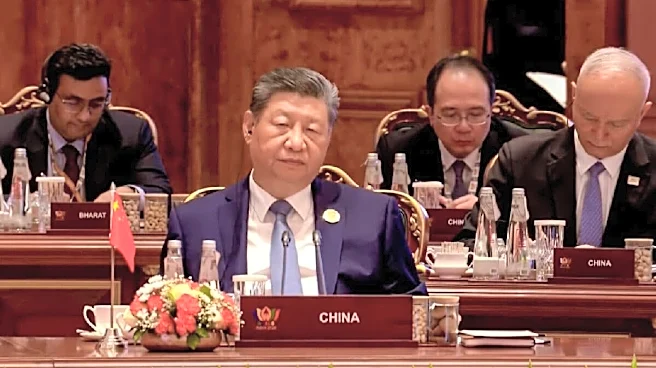
His remarks come at a time when China’s growing economic, diplomatic and strategic influence is emerging as one
of the defining features of the changing global order. While discussing BRICS, Sahasrabuddhe stressed that India’s participation in multiple groupings reflects its effort to maintain strategic balance.
“We are members of BRICS. On the other hand we are member of the Quad, and that is the balancing thing which you have to do. You cannot, I mean, put all your eggs in one basket,” he said.
Sahasrabuddhe argued that India should continue building relationships across competing geopolitical groupings, maintaining that the country’s diplomatic strength lies in its ability to work with different powers without becoming dependent on any one of them.
“I think India should be because as it happens, we are in a multipolar world, and multipolarity is going to be the central theme of the world of tomorrow, as I understand,” he said.
He added that India should seek to maintain broad diplomatic partnerships while ensuring that its own foreign policy remains acceptable to a wide range of countries.
“And therefore we should be having as many friends as possible at the same time India should make itself and its diplomacy also acceptable to as many countries as required,” Sahasrabuddhe said.
His comments also touched on India’s broader diplomatic philosophy, with Sahasrabuddhe invoking Vasudhaiva Kutumbakam—the idea of the world as one family—as an expression of India’s opposition to hegemonic politics.
“Our message is that of Vasudhaiva Kutumbakam: one earth, one family, one future,” he said.
“If that is to be heard loud and clear, we should be hosting such conclaves, we should be leading, and eventually telling the global community that warmanship is not something which the changing global order expects from countries.”
Sahasrabuddhe’s remarks come as BRICS expands its role and membership, with India seeking to balance its engagement with the grouping alongside its partnerships with the US and other Western powers.
He also pushed back against questioning the relevance of multilateral groupings solely on the basis of immediate, tangible outcomes, arguing that international institutions and alliances evolve with changing geopolitical realities.
“So these things keep on happening. But simply to put question marks on every other initiative and playing the role of a doubting Thomas every now and then, I think also doesn’t take us anywhere,” he said.
“Our diplomacy is mature enough. It is in a way non-partisan because most parties agree to the central theme of our international relations doctrine,” he added.