


Bengaluru News: With the city facing a shortfall in monsoon rainfall and concerns mounting over future drinking water availability, the Bangalore Water Supply and Sewerage Board (BWSSB) has introduced a series of water conservation measures, including a ban on using potable water for washing vehicles, filling swimming pools and several other non-essential activities.
The civic body has urged residents to use drinking water judiciously, warning that violations of the new restrictions could incur a Rs 5,000 fine, with repeat offenders facing cuts in water supply.
Where Drinking Water Can No Longer Be Used
Under the new guidelines, potable water cannot be used for washing vehicles, watering gardens and parks, cleaning roads and footpaths, or for construction activities.
The BWSSB has directed
residents, commercial establishments, and contractors to use treated water or other alternative water sources for these purposes rather than drinking water.
The board has also prohibited the use of potable water in both private and public swimming pools, stating that only treated or recycled water should be used.
Aerators Now Mandatory In Buildings
As part of its water conservation drive, the BWSSB has made it compulsory to install water restrictors and aerators in all residential buildings, apartments, commercial establishments, government offices, hotels and industries.
According to the board, aerators can reduce water consumption by 30 to 50 per cent, helping conserve drinking water during periods of low rainfall.
Rs 5,000 Fine And Reduced Water Supply
BWSSB Chairperson Dr Manjula said anyone found violating the new restrictions will face a fine of Rs 5,000. In addition to the penalty, the board warned that water supply to repeat offenders could be reduced by up to 50 per cent.
If violations continue despite the initial action, an additional penalty of Rs 500 per day may be imposed, along with further legal action.
Move Aimed At Preventing Water Shortages
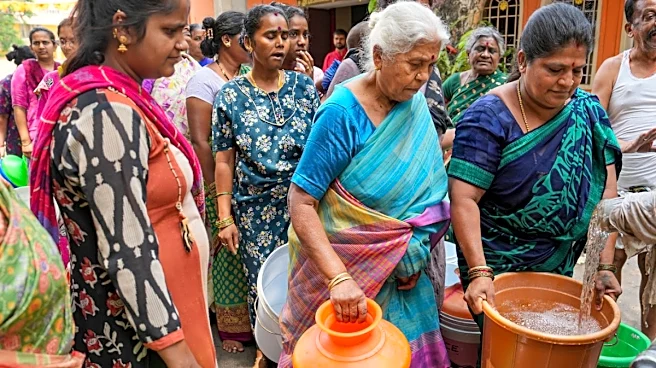
The new measures come amid concerns over below-normal monsoon rainfall in Karnataka and the possibility of drinking water shortages in the coming months.
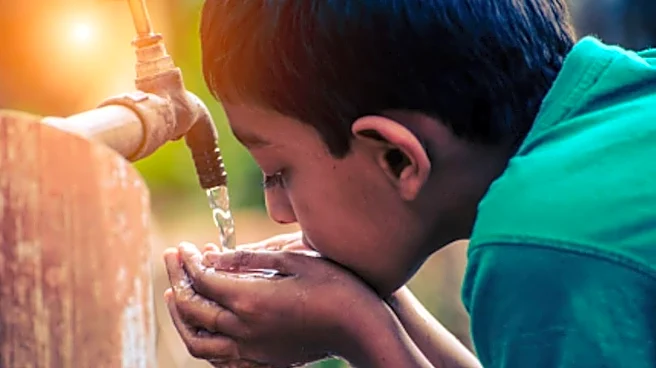
The BWSSB said the restrictions are intended to ensure that available drinking water is used only for essential purposes and appealed to residents to cooperate in conserving water until rainfall improves.